
Introduction
It started as a small fall. At first, we thought it was just a minor injury that would heal with rest and care. But when the pain did not go away, worry slowly replaced reassurance.
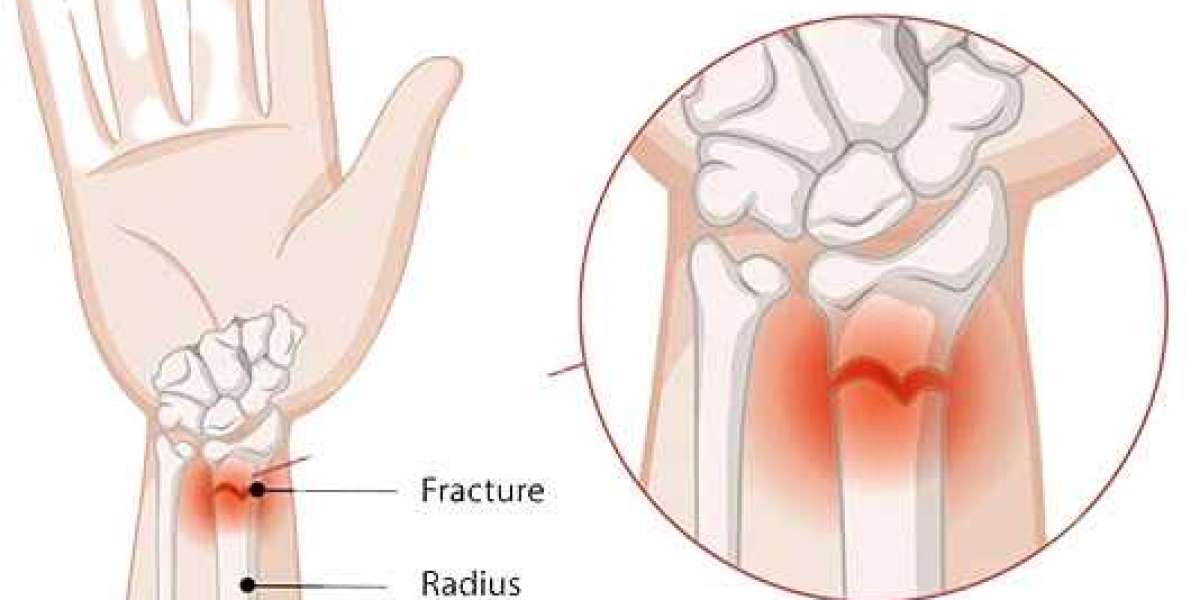
As parents and caregivers, we often hope that time will fix everything. Yet, persistent pain can sometimes signal something more serious that needs timely attention and proper Fracture Treatment in Chennai.
Understanding these early signs can make a meaningful difference. It can help families act quickly, avoid complications, and support a smoother recovery for their loved ones.
Why Persistent Pain Should Never Be Ignored
Pain is the body’s way of communicating that something is not right. When it continues beyond a few days or worsens, it deserves closer attention.
In many cases, fractures are not always obvious. A child may still move their limb, or an older adult may downplay discomfort, making it harder to identify the need for proper fracture treatment.
Ignoring these signals can delay healing. Early care ensures that the injury is managed correctly and prevents long-term complications.
Common Early Signs That May Need Fracture Treatment
1. Pain That Does Not Improve With Rest
Most minor injuries start to feel better within a couple of days. If the pain remains constant or increases, it could indicate a deeper issue.
This is especially important when the discomfort affects sleep or daily activities. It is often one of the first signs families notice.
2. Swelling That Persists or Worsens
Swelling is a natural response to injury. However, when it does not reduce or becomes more severe, it may point to a fracture.
Parents often observe that swelling limits movement. This is a sign that should not be ignored.
3. Difficulty Using the Affected Area
If a child avoids using an arm or leg, or if an adult finds it hard to bear weight, it could signal an underlying fracture.
Even subtle changes in movement patterns can indicate the need for proper fracture treatment.
4. Visible Bruising or Deformity
Bruising around the injured area can sometimes be more than superficial. In certain cases, the shape of the limb may appear slightly altered.
This can be alarming, but it is also a clear indicator that medical evaluation is necessary.
5. Pain That Increases With Movement
If moving the injured area causes sharp or intense pain, it may suggest bone involvement rather than a soft tissue injury.
This is often when families begin to consider visiting a Fracture Treatment hospital in Chennai for further evaluation.
Why Early Fracture Treatment Matters
When fractures are treated early, healing tends to be smoother and more predictable. Delays can lead to improper alignment or prolonged discomfort.
Children, in particular, need timely care because their bones are still developing. Early fracture treatment helps ensure proper growth and recovery.
For older adults, early care reduces the risk of complications such as reduced mobility or long-term pain.
What Families Should Consider When Choosing Care
When we were trying to decide where to go, we realized how important it was to look beyond just proximity. Choosing the right care setting can influence recovery.
Here are some factors families often find helpful:
- Qualified Orthopaedic Specialists
Ensure that experienced doctors are available to assess and manage fractures with precision and care. - Access to Diagnostic Tools
Proper imaging like X-rays helps confirm the diagnosis quickly and accurately. - Clear Communication With Families
Doctors who explain the condition and treatment plan help reduce anxiety and build trust. - Focus on Child and Elder Care
Special attention to children and older adults ensures that care is tailored to their unique needs. - Post-Treatment Support
Recovery does not end at discharge. Follow-up care and guidance play a key role in healing.
These considerations helped us feel more confident about the decisions we made for our loved one.
The Emotional Side of Waiting Too Long
One of the hardest parts is uncertainty. Watching someone you care about remain in pain can be emotionally overwhelming.
Many families later say they wish they had sought fracture treatment earlier. Acting sooner not only helps physically but also brings peace of mind.
Trusting your instincts as a caregiver is important. If something feels off, it is always better to get it checked.
Recovery Begins With Awareness
Recognizing the need for fracture treatment is the first step toward recovery. It allows families to move from confusion to clarity.
With the right care, most fractures heal well. The earlier the treatment begins, the smoother the journey tends to be.
Being informed helps families support their loved ones with confidence and care.
Conclusion
Recognizing early signs and acting promptly can make all the difference in recovery. Persistent pain is not something to overlook, especially when it affects daily life and comfort.
At Soundarapandian Bone and Joint Hospital(SBJH), we are committed to providing world-class healthcare with the warmth and compassion of a family-run institution. Guided by a tradition of care, our highly skilled Orthopaedic surgeons and our dedicated team work together to ensure that every patient receives personalised treatment. We combine the latest in cutting-edge technology with a deep sense of empathy and ethics, striving for excellence in orthopaedics while fostering a welcoming, supportive environment for all.
FAQs:
How do I know if pain needs fracture treatment?
If pain persists beyond a few days, worsens, or limits movement, it may require fracture treatment. It is best to consult a doctor for proper evaluation.
Can a fracture heal without treatment?
Some minor fractures may heal on their own, but without proper alignment and care, healing may not be correct. Professional fracture treatment ensures better outcomes.
When should I visit a fracture treatment hospital?
If there is swelling, severe pain, difficulty moving, or visible deformity, visiting a fracture treatment hospital is recommended as soon as possible.
Is it possible to have a fracture and still move normally?
Yes, in some cases, people can still move the affected area despite having a fracture. This is why persistent pain should never be ignored.
What happens during fracture treatment?
Fracture treatment may include immobilization with a cast, medication for pain relief, or in some cases, surgical intervention depending on the severity.