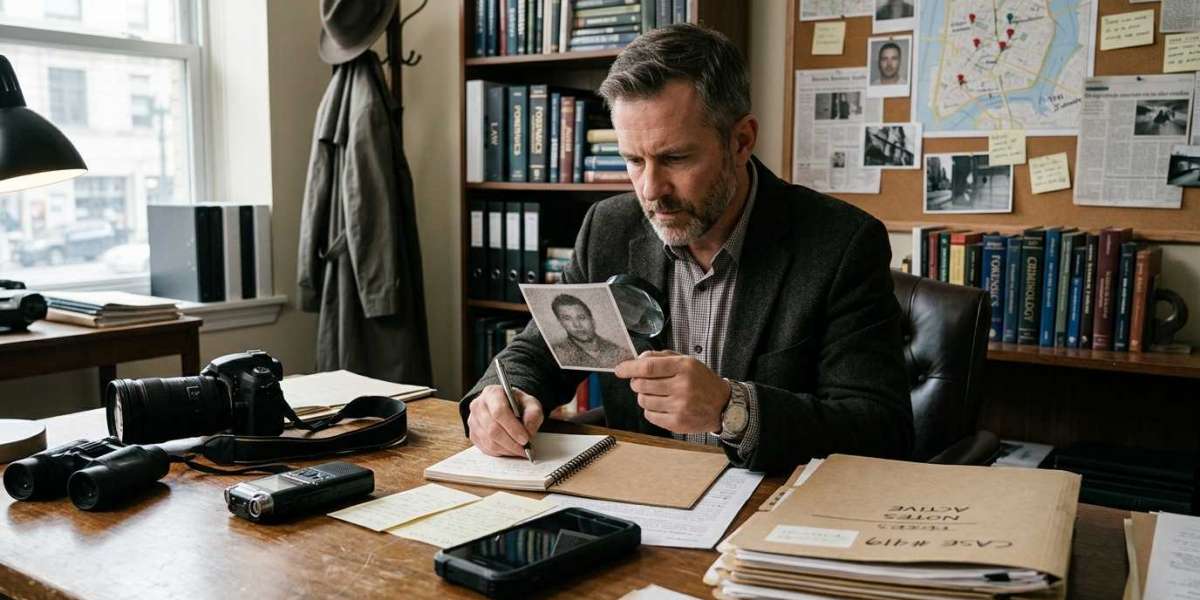

Every day, people face questions they cannot answer on their own. A missing person, a cheating partner, employee fraud, or hidden business risks can create stress and uncertainty. That is where a Private Detective becomes valuable. A trained expert knows how to gather facts, protect privacy, and follow the law while searching for the truth. Instead of making guesses, professional investigators rely on proven methods and careful planning. As a result, clients receive reliable information that helps them make smart decisions. If you want to understand how evidence collection and surveillance work, this guide explains every important step in a simple and practical way.
Understanding the Role of a Private Detective
A private investigator works to uncover facts that are difficult for ordinary people to find. Unlike police officers, private investigators usually work for individuals, families, law firms, or businesses. Their goal is to collect accurate information while respecting privacy laws and ethical standards.
Their work often includes:
- Finding missing people
- Watching suspicious activity
- Checking background details
- Collecting evidence
- Helping lawyers prepare cases
- Investigating insurance claims
- Looking into financial fraud
Each case requires patience, careful planning, and attention to detail.
Why Evidence Matters in Every Investigation
Evidence forms the foundation of every successful investigation. Without solid proof, claims remain opinions instead of facts.
Strong evidence may include:
- Photos
- Videos
- Written records
- Public documents
- Witness statements
- Digital records
- Time and location logs
Professional investigators never depend on assumptions. Instead, they gather information that can support the facts clearly and honestly.
Characteristics of Good Evidence
Reliable evidence should always be:
- Accurate
- Clear
- Legal
- Organized
- Easy to verify
- Properly documented
Because of these qualities, collected information becomes more useful during legal or personal matters.
Understanding Surveillance
Surveillance means carefully observing a person, place, or activity to collect information over time. It is one of the most common tools used during modern investigations.
A Surveillance detective plans observations carefully before beginning any operation. Every movement, location, and schedule is studied to avoid mistakes while collecting useful information.
Surveillance is never random. Every action follows a clear investigation plan.
Different Types of Surveillance
Physical Surveillance
This method involves direct observation from a safe and legal distance.
Examples include:
- Watching business locations
- Monitoring meetings
- Following vehicles legally
- Recording arrival and departure times
This approach requires patience because investigators may observe activities for many hours.
Mobile Surveillance
Sometimes a subject changes locations frequently.
In these situations investigators monitor movement while remaining unnoticed. Careful planning helps prevent losing the subject or creating suspicion.
Static Surveillance
Static surveillance happens from one fixed location.
Examples include:
- Parking near a location
- Watching building entrances
- Monitoring public spaces
- Recording visitor activity
This method often provides long periods of uninterrupted observation.
Planning an Investigation
Every successful investigation begins with detailed preparation.
Professional investigators first answer important questions.
What is the objective?
The goal must be clearly defined before any work begins.
Examples include:
- Confirming suspicious behavior
- Finding a missing person
- Checking employee honesty
- Gathering court evidence
What information already exists?
Existing information may include:
- Names
- Addresses
- Vehicle details
- Work schedules
- Public records
- Previous reports
The more accurate the starting information becomes, the easier the investigation moves forward.
Legal Rules During Investigations
Professional investigations must always follow the law.
A skilled investigator understands the limits of observation and evidence collection. Entering private property without permission or recording protected conversations may violate local laws.
Because every country has different legal requirements, investigators stay informed before beginning work.
Following legal procedures protects:
- Clients
- Investigators
- Collected evidence
- Court proceedings
This is why Legal investigations require careful documentation from beginning to end.
Collecting Evidence the Right Way
Evidence should always be collected carefully.
Investigators usually follow a structured process.
Step One: Observe Carefully
The first task is watching events without interfering.
Good observation often reveals:
- Daily routines
- Regular contacts
- Meeting locations
- Travel patterns
Step Two: Record Everything
Every observation should include:
- Date
- Time
- Location
- Description
- Supporting photographs
Organized records reduce confusion later.
Step Three: Verify Information
One observation rarely proves a conclusion.
Professional investigators compare multiple sources before making any report.
Verification improves accuracy and reduces mistakes.
Digital Evidence in Modern Investigations
Technology has changed investigative work dramatically.
Modern investigations may involve:
- Public social media activity
- Website records
- Public business information
- Digital photographs
- Public databases
However, investigators avoid illegal access to private accounts or protected systems.
Only legally available information should be collected.
Common Cases Handled by Investigators
Professional investigators assist with many different situations.
Family Matters
Examples include:
- Missing relatives
- Child custody support
- Infidelity concerns
Business Cases
Businesses often request investigations involving:
- Employee theft
- Internal fraud
- Fake documents
- Vendor verification
Insurance Claims
Insurance companies sometimes need investigators to verify claims before approving payments.
Background Checks
Background investigations help people make informed decisions before hiring employees or entering business partnerships.
Skills Every Investigator Needs
Investigation work requires much more than observation.
Essential skills include:
Patience
Many investigations continue for days or weeks before useful evidence appears.
Communication
Investigators prepare reports that clients and lawyers can easily understand.
Observation
Small details often solve difficult cases.
Problem Solving
Unexpected situations happen regularly.
Experienced investigators quickly adjust their plans while keeping the investigation on track.
Confidentiality Protects Every Client
Privacy remains one of the most important parts of professional investigations.
A Confidential detective protects client information throughout the entire process.
Confidentiality includes:
- Secure communication
- Protected reports
- Private evidence storage
- Limited information sharing
Clients should always feel confident that personal matters remain private.
Mistakes People Make During Personal Investigations
Many individuals try solving problems alone.
Unfortunately, common mistakes include:
- Following someone openly
- Taking illegal photographs
- Entering private property
- Making emotional decisions
- Destroying useful evidence
These actions may create legal problems and reduce the value of future investigations.
Professional investigators avoid these mistakes through proper planning and experience.
When Should You Hire Professional Help?
Some situations require expert assistance.
Consider professional help when:
- Facts remain unclear.
- Evidence is difficult to obtain.
- Legal action may happen.
- Missing persons cannot be located.
- Business losses continue.
- Suspicious behavior becomes repeated.
Early action often prevents larger problems later.
How Investigation Reports Are Prepared
After completing an investigation, Professionals organize all findings into a clear report.
A quality report usually includes:
- Investigation objective
- Timeline
- Observations
- Supporting photographs
- Evidence summary
- Final findings
Well-organized reports help clients understand exactly what happened without confusion.
Choosing the Right Investigator
Not every investigator offers the same level of experience.
Before hiring someone, consider:
- Professional experience
- Legal knowledge
- Clear communication
- Strong references
- Honest pricing
- Detailed reporting
Asking questions before hiring helps build trust and avoids misunderstandings later.
Ethical Standards Matter
Professional investigators must balance truth with responsibility.
Good investigators:
- Respect privacy laws.
- Stay honest.
- Avoid false claims.
- Protect client information.
- Present only verified facts.
Ethical work builds trust and strengthens the value of every investigation.
Conclusion
Finding the truth requires patience, planning, and professional methods. Reliable evidence, careful surveillance, and legal procedures work together to create accurate investigation results. Professional investigators collect facts without making assumptions and protect client privacy throughout every step. Whether the case involves family matters, business concerns, or legal support, proper investigation helps people make informed decisions based on real information instead of uncertainty. Understanding these methods allows clients to appreciate the value of professional investigative work and the importance of lawful evidence collection.
Frequently Asked Questions
1. What does a private investigator actually do?
A private investigator gathers facts, observes activities, researches information, and prepares evidence for personal, business, or legal matters while following all applicable laws.
2. Is surveillance legal?
Yes. Surveillance is legal when it follows local laws, respects privacy rights, and avoids illegal activities such as trespassing or unauthorized recording.
3. How long does an investigation usually take?
The time depends on the case. Some investigations finish within days, while complex cases may require several weeks of observation and research.
4. Can collected evidence be used in court?
Evidence collected legally and documented correctly may be useful during legal proceedings, depending on local laws and court requirements.
5. How do investigators protect client privacy?
Professional investigators keep reports secure, limit information sharing, use protected communication methods, and maintain confidentiality throughout the investigation process.