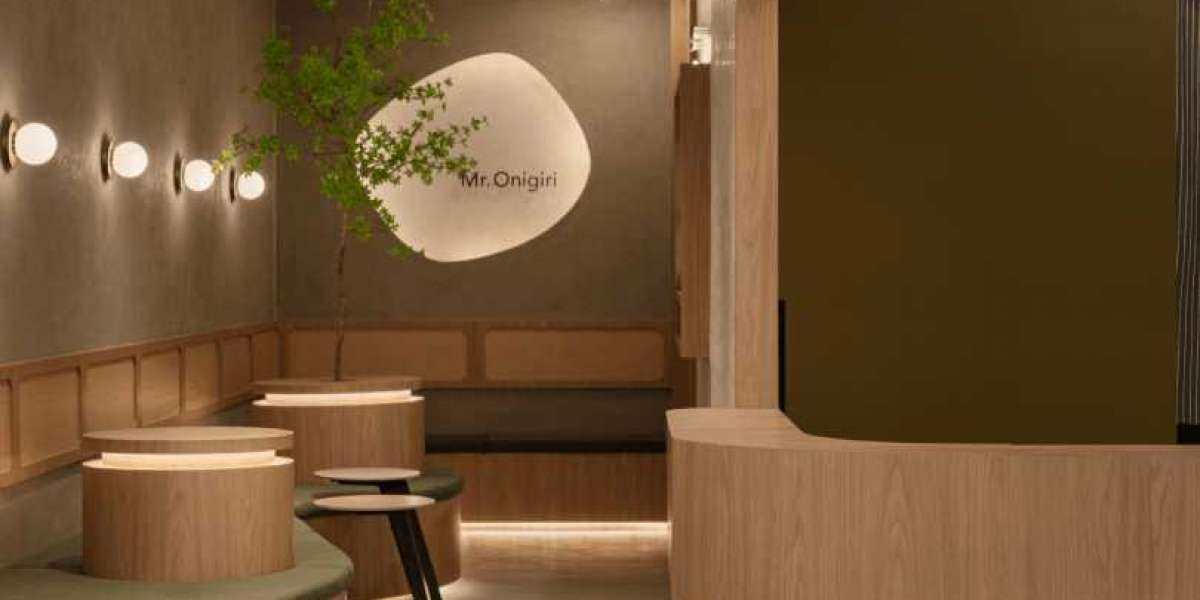

A well-designed commercial space does more than create a positive first impression—it influences how employees work, how customers interact with your brand, and how efficiently your business operates. Commercial interior design combines creativity, functionality, and strategic planning to develop environments that support business growth while delivering memorable experiences.
From modern offices and retail stores to restaurants, healthcare facilities, educational institutions, and hospitality venues, commercial interior design helps businesses create spaces that are practical, attractive, and aligned with their brand identity.
Understanding Commercial Interior Design
Commercial interior design focuses on planning and designing interiors for business and public spaces. Unlike residential design, which is centred on personal preferences, commercial interiors must accommodate operational requirements, employee productivity, customer experience, and regulatory compliance.
Every project begins with understanding the client's goals, business model, and workflow. Designers then develop customised concepts that improve functionality while reflecting the organisation's culture and values.
The result is a workspace that supports daily operations while creating a welcoming environment for employees, customers, and visitors.
The Value of Professional Commercial Interior Design
Investing in commercial interior design offers long-term benefits that extend beyond aesthetics.
Creates a Strong Brand Presence
Your business environment serves as a physical representation of your brand. From reception areas and meeting rooms to retail displays and customer lounges, every design element contributes to how clients perceive your company.
Consistent colours, materials, furnishings, and signage reinforce your brand identity and create a cohesive customer experience.
Enhances Employee Performance
An organised and comfortable workplace can significantly improve employee satisfaction and productivity. Factors such as ergonomic furniture, natural lighting, acoustic solutions, and collaborative spaces contribute to a healthier and more engaging work environment.
Employees who feel comfortable in their surroundings are often more motivated and productive.
Improves Customer Experience
For businesses that rely on customer interaction, the interior environment plays a crucial role in shaping purchasing decisions and overall satisfaction.
Well-planned layouts, comfortable waiting areas, intuitive navigation, and attractive displays create positive experiences that encourage repeat visits.
Commercial Spaces That Benefit from Interior Design
Commercial interior design applies to a wide range of industries.
Corporate Offices
Today's offices are designed to support flexibility and collaboration. Open-plan workspaces, private meeting rooms, wellness areas, breakout spaces, and hybrid work environments help businesses adapt to changing work styles.
Retail Stores
Retail interiors focus on guiding customer movement while showcasing products effectively. Strategic lighting, visual merchandising, and carefully planned store layouts encourage customers to explore and make purchases.
Restaurants and Cafés
Dining environments should balance operational efficiency with customer comfort. Seating arrangements, lighting, kitchen planning, acoustics, and décor all contribute to creating memorable dining experiences.
Medical and Healthcare Facilities
Healthcare environments require practical layouts that improve patient flow while maintaining comfort, hygiene, and privacy. Calming colours, durable materials, and accessible spaces help create reassuring environments for patients.
Hospitality Venues
Hotels and serviced apartments use interior design to deliver exceptional guest experiences through welcoming lobbies, comfortable guest rooms, stylish restaurants, and functional communal spaces.
Key Principles of Commercial Interior Design
Efficient Space Planning
Every commercial project begins with detailed space planning. Interior Designers evaluate traffic flow, operational requirements, storage needs, and accessibility to ensure every area functions efficiently.
Effective layouts improve communication, reduce congestion, and create comfortable environments for both employees and customers.
Lighting Design
Lighting influences mood, productivity, and visual appeal. Commercial interiors typically combine:
- Ambient lighting for general illumination
- Task lighting for focused work
- Accent lighting to highlight architectural features or products
- Decorative lighting that enhances the overall atmosphere
Natural daylight is also incorporated wherever possible to improve employee well-being and reduce energy consumption.
Material Selection
Commercial spaces require durable materials that withstand frequent use while maintaining a professional appearance.
Popular options include:
- Luxury vinyl flooring
- Porcelain tiles
- Engineered stone surfaces
- Glass partitions
- Commercial-grade laminates
- Acoustic wall panels
- Metal and timber finishes
Choosing quality materials reduces maintenance costs and extends the lifespan of the interior.
Sustainable Commercial Design
Many organisations are embracing sustainable interior design as part of their environmental commitments.
Eco-conscious commercial interiors often include:
- Energy-efficient LED lighting
- Low-emission paints and finishes
- Responsibly sourced timber
- Recycled materials
- Water-saving fixtures
- Smart climate control systems
- Improved indoor air quality solutions
Sustainable design not only benefits the environment but also creates healthier workplaces that support employee well-being.
Smart Technology in Modern Commercial Spaces
Technology has become an essential component of commercial interior design. Businesses are integrating smart systems that improve operational efficiency while enhancing user experiences.
Examples include:
- Smart lighting automation
- Digital meeting room scheduling
- Wireless presentation systems
- Smart access control
- Security surveillance
- Automated climate management
- Interactive customer displays
Integrating technology during the design phase ensures the workspace remains adaptable as business needs evolve.
Selecting the Right Commercial Interior Designer
Choosing an experienced commercial interior designer is crucial to the success of any project. A professional designer understands design aesthetics, building regulations, project coordination, budgeting, and construction management.
When selecting a design firm, evaluate:
- Experience with commercial projects
- Industry knowledge
- Design portfolio
- Project management capabilities
- Communication and collaboration
- Ability to meet deadlines and budgets
Working with the right design partner helps ensure your commercial space supports both your operational requirements and long-term business goals.
Conclusion
Commercial interior design is a powerful investment that enhances business performance through intelligent planning, functional layouts, and compelling aesthetics. A thoughtfully designed environment improves employee productivity, strengthens customer relationships, and reinforces your brand identity.
Whether you're renovating an office, opening a retail store, upgrading a restaurant, or designing a hospitality venue, professional commercial interior design creates spaces that are efficient, adaptable, and visually engaging. By combining quality materials, innovative technology, sustainable practices, and strategic design, businesses can create environments that inspire confidence and contribute to lasting success.








