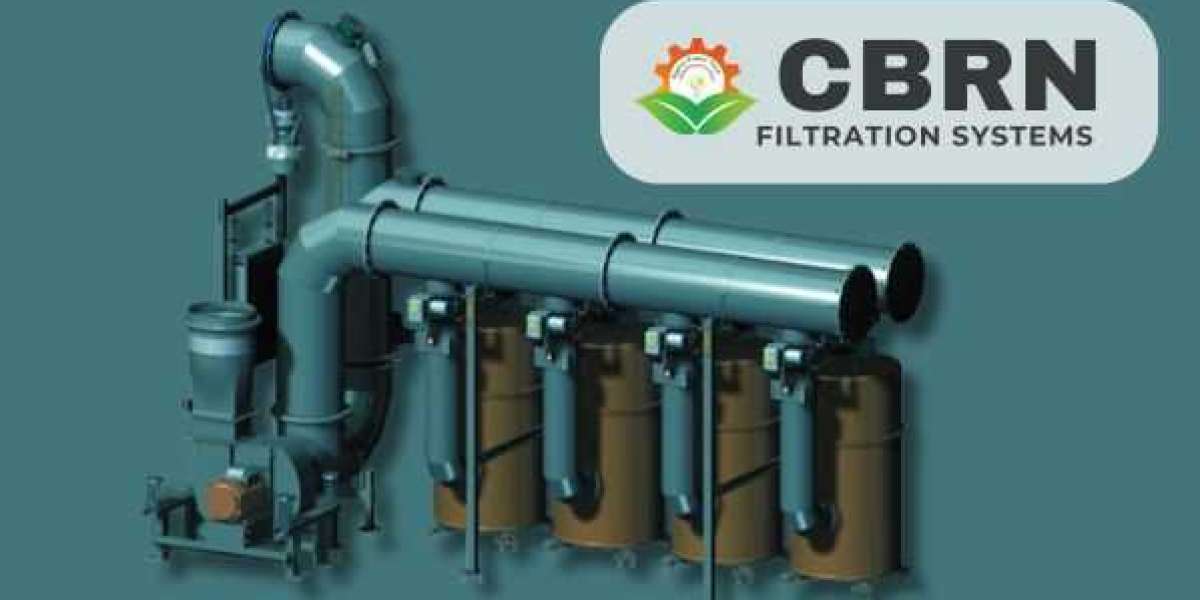

While communication systems and power supplies remain functional, none of it matters if contaminated air enters the shelter. Clean, breathable air becomes the first line of defence, making a CBRN Filtration System an essential component of mission continuity and occupant safety.
Military installations, government facilities, industrial plants, and strategic infrastructure continue to face evolving Nuclear, Biological, and Chemical (NBC) threats. A well-designed CBRN Filtration System helps prevent hazardous contaminants from entering protected spaces by combining advanced filtration, airflow management, and pressure control. Choosing the right system requires more than comparing specifications—it demands a clear understanding of operational requirements, engineering standards, and long-term reliability.
What Is a CBRN Filtration System?
A CBRN Filtration System is an engineered air purification solution designed to protect enclosed facilities from chemical warfare agents, biological contaminants, radioactive particles, and other airborne hazards.
Unlike a conventional HVAC filter, a modern nbc filter system integrates multiple stages of filtration and environmental control. These systems are commonly deployed in defence facilities, emergency shelters, underground bunkers, nuclear plants, and high-security industrial buildings where uninterrupted air protection is critical.
How a CBRN Filtration System Works
A typical system follows a multi-stage filtration process:
- Pre-filters capture larger airborne dust and debris.
- High-efficiency HEPA filters remove extremely fine radioactive and biological particles.
- Activated carbon filters adsorb toxic gases, chemical vapours, and hazardous compounds.
- Positive pressure systems maintain higher internal air pressure, preventing contaminated outside air from infiltrating protected spaces.
- Monitoring equipment continuously evaluates airflow and filtration performance to ensure operational readiness.
Together, these components create a controlled indoor environment capable of supporting occupants during contamination events.
Key Features That Define a Reliable CBRN Filtration System
Not all systems are engineered for the same operational demands. High-performance filtration solutions generally include:
- HEPA filtration for microscopic particle removal
- Activated carbon filtration for chemical agent adsorption
- Protection against biological contaminants and radioactive particles
- Positive pressure operation to reduce contamination ingress
- Corrosion-resistant construction for harsh environments
- Compatibility with continuous air monitoring systems
- Modular configurations for different facility sizes
- Energy-efficient operation during extended use
- Low-maintenance filter replacement procedures
- Reliable emergency performance under demanding conditions
These features improve operational resilience while reducing downtime and maintenance complexity.
Where Are NBC Filtration Systems Used?
Modern NBC protection extends well beyond military facilities. Today, filtration systems safeguard numerous critical environments, including:
- Military shelters and command centres
- Underground bunkers requiring an NBC filter for bunker
- Ammunition storage facilities
- Nuclear power plants
- Chemical and petrochemical processing plants
- Government security buildings
- Emergency operation centres
- Border security installations
- Data centres supporting national infrastructure
- Critical manufacturing facilities
Each application requires unique airflow capacities, contamination resistance, and operational endurance based on the facility's risk profile.
Engineering Factors to Consider Before Choosing a System
Selecting a filtration system begins with understanding the facility rather than the equipment itself.
A comprehensive threat assessment identifies the expected contaminants, occupancy levels, and emergency operating duration. Airflow calculations should match the building's volume while maintaining positive pressure throughout protected zones.
Filtration efficiency, environmental conditions, installation complexity, and lifecycle maintenance planning also influence long-term performance. While buyers often search online for NBC air filtration system price or Nbc filtration system in Faridabad price, engineering suitability should always take precedence over initial procurement cost.
A correctly specified system generally delivers better operational value through higher reliability, longer service life, and improved occupant protection.
Choosing the Right Manufacturer
Selecting among the Top CBRN filtration system manufacturers in India involves evaluating much more than product brochures.
Experienced manufacturers typically demonstrate expertise in defence engineering, industrial ventilation, contamination control, and environmental protection systems. Buyers should review:
- Manufacturing capabilities
- Product testing and validation procedures
- Compliance with recognised engineering standards
- Customisation options for specialised facilities
- Technical documentation quality
- Installation support
- Maintenance planning
- Availability of replacement components
- Long-term service support
The same evaluation principles apply when comparing the Top NBC filtration system manufacturers in India, where proven engineering experience often determines long-term system reliability.
For readers interested in understanding technical specifications and system design considerations, this detailed resource on CBRN Filtration System provides additional educational insights into filtration technologies and protected air systems.
Common Mistakes to Avoid
Many system performance issues originate during the planning stage rather than during operation.
Some of the most common mistakes include:
- Selecting equipment without conducting a formal threat assessment
- Ignoring airflow balancing calculations
- Underestimating filtration efficiency requirements
- Choosing systems solely based on procurement cost
- Overlooking shelter pressurisation requirements
- Failing to develop preventive maintenance schedules
- Delaying filter replacement beyond recommended service intervals
- Ignoring future facility expansion needs
- Neglecting commissioning and performance testing
- Overlooking compliance with defence and industrial standards
Avoiding these issues significantly improves long-term operational readiness and reduces system failures during emergency conditions.
Why Modern CBRN Engineering Continues to Evolve
Emerging threats continue to influence the design of contamination control systems.
Modern filtration engineering increasingly incorporates intelligent monitoring, modular system architecture, automated pressure control, and improved filter media capable of handling a broader range of contaminants. These developments enhance operational flexibility while reducing maintenance demands across military and industrial applications.
Engineers also focus on integrating filtration systems with broader environmental control systems, allowing facilities to maintain safe indoor conditions even during prolonged contamination events.
Conclusion
A CBRN Filtration System is far more than an air filtration unit—it is a critical engineering safeguard that protects personnel, maintains operational continuity, and strengthens infrastructure resilience during hazardous incidents.
Choosing the right system requires careful evaluation of threat levels, airflow engineering, filtration efficiency, compliance standards, maintenance planning, and manufacturer expertise. Whether protecting military installations, industrial facilities, government buildings, or underground shelters, well-engineered NBC filtration solutions play a vital role in contamination control and occupant safety.
As environmental risks and security challenges continue to evolve, investing in a properly designed CBRN Filtration System remains one of the most effective strategies for ensuring long-term preparedness, regulatory compliance, and dependable protection for critical infrastructure.