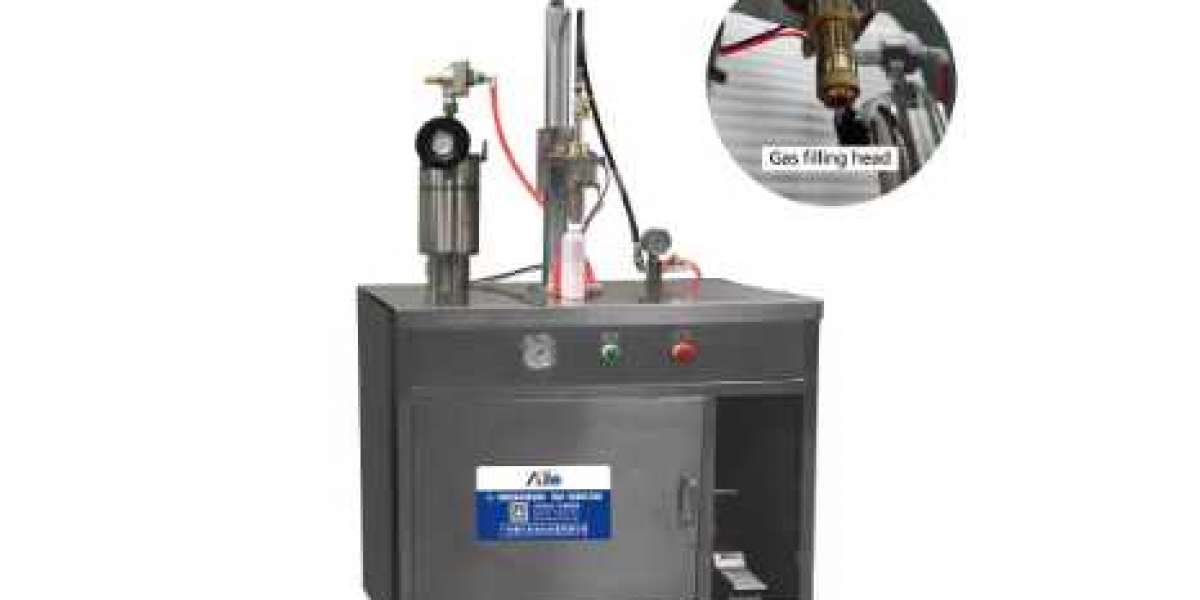

In the fast-evolving pharmaceutical industry, the need for precision and efficiency in packaging is paramount. Pharmaceutical filling machines play a crucial role in ensuring that products are filled accurately and safely, which directly impacts the quality and efficacy of medications. This article delves into the key features to consider when selecting a pharmaceutical filling machine, helping you make an informed decision that aligns with your operational needs.
One of the foremost features to look for in a pharmaceutical filling machine is its precision and accuracy. In the pharmaceutical sector, even a slight deviation in the filling volume can lead to severe consequences, including regulatory issues and compromised patient safety. Advanced pharmaceutical filling machines utilize sophisticated technology such as servo motors and electronic controls to ensure that each container is filled to the exact specifications. This level of precision not only enhances product quality but also minimizes waste, making your operations more efficient.
Another important aspect of a high-quality pharmaceutical filling machine is its versatility. The ideal machine should be capable of handling a variety of container types and sizes, from vials to syringes and beyond. This adaptability allows pharmaceutical companies to diversify their product offerings without the need for multiple machines, ultimately saving costs and increasing production flexibility. Look for machines that can easily switch between different formats and have adjustable settings to accommodate various filling volumes.
Ease of Cleaning and Maintenance
Given the stringent hygiene standards in the pharmaceutical industry, the ease of cleaning and maintenance is a critical feature of any filling machine. Machines that are designed with smooth surfaces and minimal crevices facilitate thorough cleaning, reducing the risk of contamination. Additionally, consider machines that offer modular designs, allowing for easy disassembly and reassembly for maintenance purposes. Regular upkeep is essential to ensure the longevity and reliability of your pharmaceutical filling machine.
In today’s fast-paced market, automation is essential for enhancing operational efficiency. A modern pharmaceutical filling machine should incorporate automated features such as automatic bottle feeding, capping, and labeling. These features not only streamline the filling process but also reduce labor costs and human error. Furthermore, machines equipped with real-time monitoring systems can provide valuable data on production rates and machine performance, enabling better decision-making and process optimization.
Compliance with Regulatory Standards
Finally, it is crucial that your pharmaceutical filling machine complies with all relevant regulatory standards. The pharmaceutical industry is heavily regulated, and non-compliance can lead to severe penalties and product recalls. Ensure that the machine you choose is designed to meet the guidelines set forth by organizations such as the FDA and EMA. Features like validation protocols, documentation capabilities, and traceability functions will help you maintain compliance and uphold the integrity of your products.
In conclusion, selecting the right pharmaceutical filling machine is a critical decision that can significantly impact your production efficiency and product quality. By focusing on key features such as precision, versatility, ease of maintenance, automation, and regulatory compliance, you can ensure that your investment meets the demands of the pharmaceutical industry. A well-chosen filling machine not only enhances your operational capabilities but also contributes to the overall success of your business.








