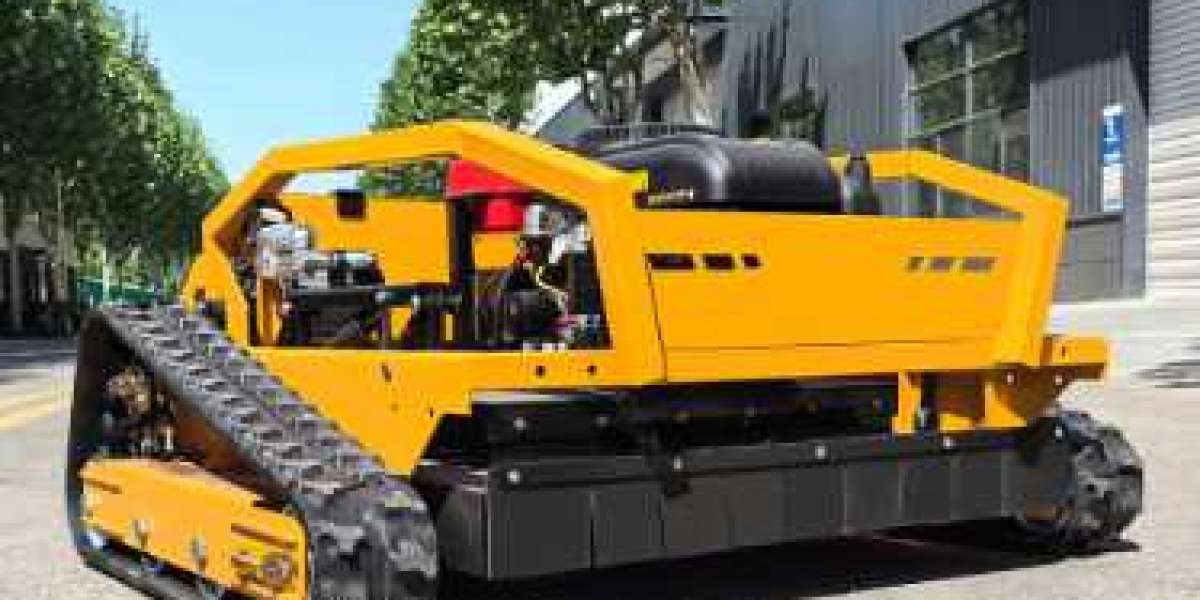

Operating a commercial lawn mower on uneven terrain is one of the most challenging and high-risk tasks in grounds maintenance. Slopes, dips, and rough ground can turn routine mowing into a dangerous situation involving rollovers, loss of control, and equipment damage. However, by following a set of professional safety protocols, you can mitigate these risks and ensure both your safety and the quality of your work. This guide outlines the essential ways to operate a commercial lawn mower safely on uneven terrain, combining practical techniques with a deep understanding of your machine's capabilities.
Conduct a Thorough Site Assessment Before You Mow
Before you engage the blades on your commercial lawn mower, the most critical step is to walk the entire property and identify all potential hazards. This pre-mow inspection is non-negotiable for safe operation on uneven ground. You are looking for obstacles and changes in topography that could destabilize your machine.
Specifically, you should look for and mark any holes, ruts, rocks, tree stumps, or exposed roots that could cause a wheel to drop suddenly or the mower to tip. Assess the degree of slope; a slope that appears gentle from a distance can be deceptively dangerous. Also, be aware of wet or soft areas, as they can cause the mower to slide or lose traction. Finally, check for low-hanging branches or overhead obstacles that could interfere with your operation. By identifying these hazards beforehand, you can plan a safe mowing pattern and avoid sudden surprises that could lead to an accident.
Choose the Right Equipment and Prepare It Properly
Not all commercial mowers are created equal when it comes to slope work. Using the right type of lawn mower for the terrain is fundamental to safety. For instance, a walk-behind mower with a low center of gravity and wide wheelbase offers more stability on slopes than a stand-on or zero-turn mower, which is better suited for flat, open areas. If you are using a ride-on mower, check if it has a rollover protective structure (ROPS) and a seat belt; these are essential safety features for hillsides. Many newer commercial mowers also have adjustable counterweights or tire ballast options to lower the center of gravity and improve traction.
Preparation is equally vital. Before you start, ensure the lawn mower is in top mechanical condition. Check that the tires are inflated to the manufacturer's recommended pressure—under-inflated tires can cause the machine to lean, while over-inflated tires reduce traction and increase bounce. Also, ensure the cutting deck is level and the blades are sharp. Dull blades tear grass, resulting in an uneven cut and requiring more passes, which increases your time on the slope and thus your risk exposure. Sharp blades also allow for a cleaner cut at a faster ground speed, reducing the time spent on dangerous terrain.
Master the Correct Mowing Pattern for Slopes
The direction in which you mow a slope is the single most important operational decision you will make. The general rule is to mow across the slope, not up and down, when using a ride-on or zero-turn mower. This keeps the machine's weight distributed evenly across its wheelbase, preventing the rear wheels from losing traction or the front from lifting during a climb. However, for walk-behind mowers, mowing up and down the slope is often recommended, as mowing across can cause the mower to slide downhill or put you in an awkward and unsafe pulling position.
Always start at the bottom of the slope and work your way across, making your turns at the top or bottom on a level area where the machine can turn safely without tipping. Avoid sudden turns on the slope itself, as this can shift the center of gravity and cause a rollover. On every pass, overlap your previous cut slightly to ensure a consistent finish, but be mindful not to turn sharply at the end of each row. This technique of traversing the slope methodically is a primary way to operate a commercial lawn mower safely on uneven terrain, as it maximizes stability and control.
Maintain Proper Speed and Control at All Times
Speed is your enemy on uneven ground. One of the most important ways to operate a commercial lawn mower safely is to reduce your ground speed significantly when entering sloped or rough areas. Going too fast reduces your reaction time and makes the machine more susceptible to being thrown off course by bumps and dips. A slow, steady pace allows the machine's suspension and tires to absorb irregularities in the terrain, keeping the deck stable and the cut consistent. It also gives you the time to react if you encounter a hidden obstacle or lose traction.
Use a combination of engine throttle and ground speed control. Keep the engine RPM at a high setting to ensure the blades spin fast for a quality cut and to maintain hydraulic system power, but use the drive control levers to creep along at a safe speed. This approach prevents bogging down in thick grass and allows for fine control over the machine's movements. When going downhill, use the engine's braking power rather than riding the brakes to avoid skidding. Smooth, deliberate control inputs are the hallmark of a professional operator on challenging terrain.
Understand and Respect the Mower's Limits
Every commercial lawn mower has a maximum safe operating slope, which is clearly stated in the operator's manual. This limit is not a suggestion; it is a carefully calculated safety threshold. Never attempt to mow a slope that exceeds your machine's rated capacity, regardless of your skill level. If a slope appears too steep to mow safely, it probably is. In such cases, consider using a string trimmer or a dedicated slope mower instead. Trying to push a machine beyond its design limits is a recipe for a serious accident.
Also, be aware that the mower's stability changes based on conditions. Wet grass, loose gravel, or soft soil can drastically reduce traction, making a slope that is normally safe become treacherous. Similarly, if the grass catcher or hopper is full, the machine's center of gravity shifts rearward, which can be particularly dangerous when climbing a hill. Be mindful of these dynamic changes and adjust your operation accordingly. If conditions are poor, it is always safer to postpone mowing until the terrain is dry and stable.
Adopt Safe Starting and Stopping Practices
How you start and stop on a slope is just as critical as how you mow it. When beginning a mowing pass on a slope, always start on a flat, stable area. Never start or stop suddenly while on an incline, as this can cause the machine to tip or lose traction. When you need to stop or disengage the blades on a hill, do so smoothly and preferably when you have reached a level section at the top or bottom.
For walk-behind mowers, never pull the mower backward toward you on a slope. If you need to reposition, walk around to the uphill side of the mower and push it forward. For ride-on models, always keep your seat belt fastened and the ROPS in the upright position. If you feel the machine becoming unstable or starting to slide, do not panic. Steer gently into the slide to regain control, but never apply sudden steering inputs or jam on the brakes, as this can cause a rollover. A calm, controlled response is your best defense.
Perform Regular Post-Operation Checks
Your safety routine should not end when the engine is switched off. After mowing uneven terrain, it is essential to perform a post-operation inspection of your lawn mower. The stresses of working on rough ground can loosen bolts, damage blades, and strain belts and hydraulic lines. Check the machine for any visible damage, leaks, or loose components. Pay close attention to the tires for cuts or punctures, and inspect the underside of the deck for accumulated grass clippings, which can retain moisture and cause corrosion.
Regularly checking and tightening all hardware, greasing the fittings, and replacing worn parts will keep your mower in safe, reliable condition for its next use. A well-maintained machine is inherently safer and more predictable. By integrating these practices, you are not only ensuring your safety but also extending the lifespan of your commercial lawn mower, making it a sound investment for your business.