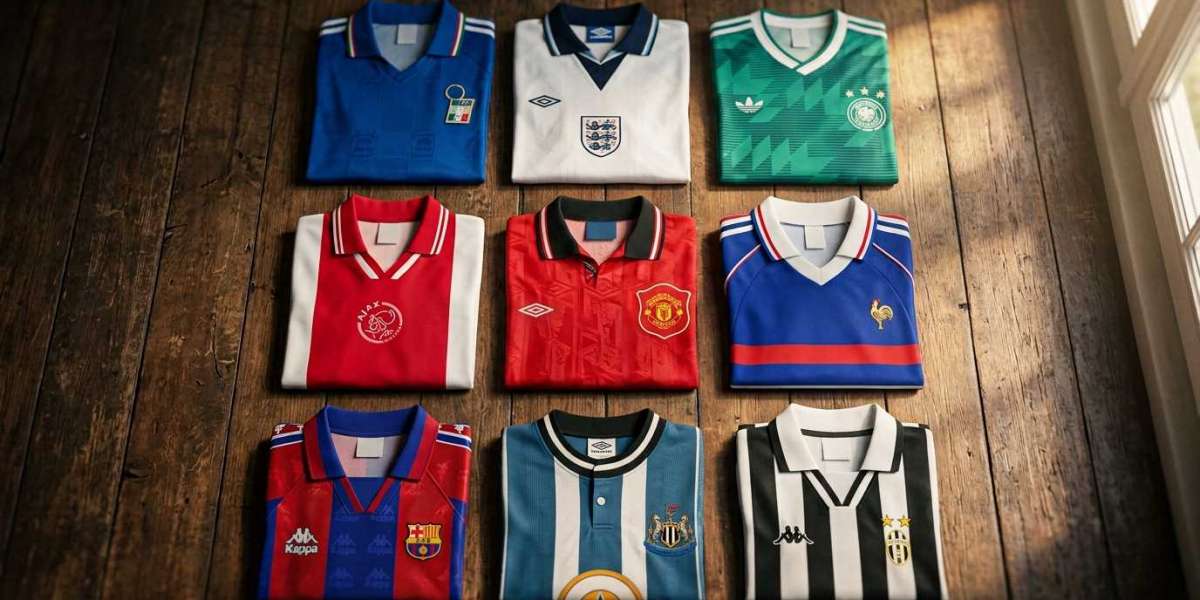

Football shirt collecting has become more than a hobby for many supporters. While every shirt carries personal memories, many also gain financial value over time. Limited editions, shirts worn during historic seasons, and rare releases often become highly sought after by collectors around the world. As a result, understanding the value of a collection has become just as important as building it.
The value of a football shirt is not fixed. It changes as demand grows, availability decreases, and football history adds new meaning to certain kits. A shirt that seemed ordinary when it was released may become difficult to find a decade later, while another may lose popularity as collector interest shifts.
Keeping track of these changes helps collectors make informed decisions about buying, selling, insuring, and preserving their collections.
Why Football Shirt Values Change
Unlike many everyday items, football shirts often become more valuable with age. Several factors influence their market price, and these factors can change over time.
Limited Availability
Most football shirts are produced for only one season. Once production ends, collectors must rely on the resale market to find original versions.
As more shirts disappear into private collections or become damaged, the number of available examples decreases. Scarcity often leads to higher prices.
Historic Achievements
A shirt worn during a title-winning season or an unforgettable tournament often becomes more desirable.
For example, shirts connected to World Cup victories, Champions League triumphs, or unbeaten league campaigns usually attract stronger collector interest than those linked to less memorable seasons.
Legendary Players
Football icons leave a lasting impact on the shirts they wear.
A jersey associated with players such as Pelé, Diego Maradona, Zinedine Zidane, Ronaldo, Lionel Messi, or Cristiano Ronaldo often becomes more valuable because of its connection to football history.
Collector Demand
Fashion trends and nostalgia also influence prices.
A shirt that received little attention during its original release may become highly desirable years later as a new generation of supporters looks back on a particular football era.
Factors That Affect a Shirt's Value
Not every version of the same football shirt has the same market price.
Several details can significantly influence its value.
Condition
Collectors usually pay more for shirts that remain in excellent condition.
Important factors include:
- Bright colours
- Undamaged sponsor logos
- Original stitching
- Clean fabric
- Minimal fading
- Intact badges
Even small defects can affect resale value.
Authenticity
Original shirts almost always command higher prices than reproductions.
Collectors often examine:
- Manufacturer labels
- Product codes
- Stitching quality
- Fabric texture
- Official player printing
Authenticating a shirt carefully helps maintain confidence in its market value.
Player Printing
Official names and numbers can increase collector interest, particularly when linked to legendary players.
However, unofficial printing may reduce a shirt's value.
Match-Worn Status
A shirt worn during an official match generally attracts much higher prices than a retail version.
Photographic evidence or certificates of authenticity further strengthen its market appeal.
Why Keeping Records Matters
Many collectors remember roughly when they bought a shirt, but few remember every important detail years later.
Maintaining accurate records provides several advantages.
Purchase Price
Recording the original purchase price makes it easier to understand how much a shirt has appreciated over time.
Purchase Date
Knowing when a shirt entered the collection creates a useful ownership history.
Seller Information
Keeping a record of where the shirt was purchased adds credibility, particularly for rare or vintage items.
Condition History
Monitoring changes in condition helps collectors understand how storage and handling affect long-term value.
How Market Trends Influence Prices
Football shirt values often rise and fall based on collector demand.
Several events can influence prices.
Anniversary Years
Collectors often show increased interest in shirts celebrating major anniversaries.
For example, a World Cup-winning shirt may become more popular twenty-five or fifty years after the tournament.
Documentary Releases
Television documentaries and football films frequently renew interest in historic teams and legendary players.
As public attention increases, demand for related shirts often follows.
Player Milestones
When a football legend retires, breaks a record, or enters the Hall of Fame, shirts associated with that player may experience renewed collector interest.
Protecting Long-Term Value
Tracking value is only one part of responsible collecting.
Proper storage also plays an important role.
Collectors should:
- Store shirts in cool, dry conditions.
- Avoid prolonged exposure to sunlight.
- Wash shirts only when necessary.
- Protect printed names and numbers.
- Fold or hang shirts carefully.
Well-preserved shirts usually retain stronger market value than poorly stored examples.
Reviewing Your Collection Regularly
Football shirt values change gradually.
Reviewing the collection every few months helps collectors:
- Update estimated values.
- Record new purchases.
- Check shirt condition.
- Identify missing information.
- Monitor collection growth.
Regular updates also make insurance documentation more accurate.
Why Digital Records Make Value Tracking Easier
Paper records and spreadsheets can quickly become outdated.
As collections expand, manually updating every shirt becomes increasingly time-consuming.
A digital inventory allows collectors to organise information more efficiently while maintaining consistent records.
Having every shirt documented in one place also reduces the risk of losing important information.
Using ShowBoat to Stay Organised
Keeping track of football shirt values becomes much easier when every item is properly documented. ShowBoat allows collectors to organise their shirts, record purchase information, monitor collection details, and maintain an up-to-date inventory in one place. Having accurate records helps collectors understand both the personal and financial value of their collection as it continues to grow.
Thinking Beyond Resale
Not every collector plans to sell their shirts.
For many people, the real value lies in the memories connected to each item. A shirt worn during a favourite season, a signed jersey from a club legend, or a souvenir purchased during a memorable trip may never leave the collection.
Even so, knowing the estimated value remains useful. It supports insurance planning, helps document the collection, and provides a clearer picture of how much the collection has grown over the years.
Final Thoughts
Football shirts represent moments that supporters never forget. Some become valuable because they are rare, while others gain importance through unforgettable matches, legendary players, or historic achievements. As the football memorabilia market continues to grow, understanding the value of each shirt becomes an important part of responsible collecting.
By keeping accurate records, monitoring market trends, and preserving shirts carefully, collectors can protect both the financial worth and the personal stories behind their collections. A well-organised inventory makes it easier to follow those changes over time and ensures every shirt receives the attention it deserves.








