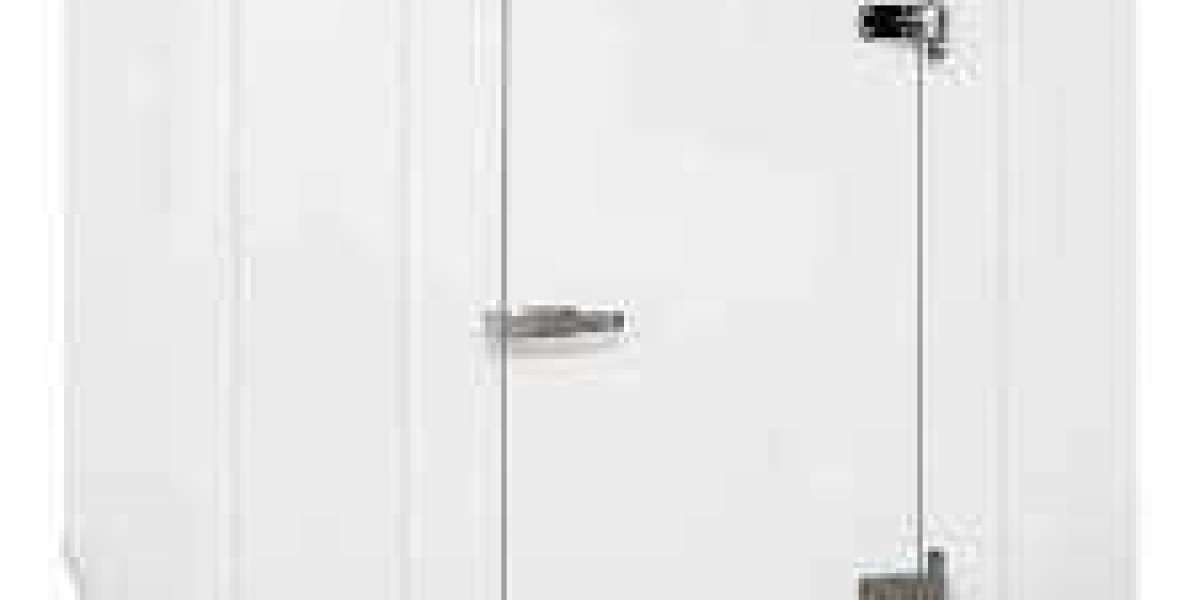

Efficient cold storage is essential for businesses that handle perishable goods. Whether you operate a restaurant, supermarket, hotel, bakery, food processing facility, pharmaceutical company, or floral business, walk-in cold rooms provide a reliable solution for preserving product quality and maintaining optimal storage conditions.
Unlike standard refrigerators or freezers, walk-in cold rooms offer spacious, temperature-controlled environments that accommodate large inventories while improving organization and operational efficiency. They are designed to maintain consistent temperatures, reduce spoilage, and support compliance with food safety regulations.
In this guide, we'll explore everything you need to know about walk-in cold rooms, including their benefits, types, features, applications, and how to choose the right system for your business.
What Are Walk-In Cold Rooms?
Walk-in cold rooms are insulated storage rooms equipped with commercial refrigeration systems that maintain controlled temperatures for storing temperature-sensitive products.
Depending on the application, walk-in cold rooms can operate as:
- Refrigerated cold rooms
- Frozen storage rooms
- Dual-temperature cold rooms
- Customized cold storage facilities
They are commonly used for storing:
- Fresh fruits and vegetables
- Dairy products
- Meat and poultry
- Seafood
- Frozen foods
- Beverages
- Pharmaceuticals
- Flowers and plants
- Laboratory materials
Walk-in cold rooms provide significantly more storage capacity than conventional refrigeration equipment, making them ideal for commercial operations.
Benefits of Walk-In Cold Rooms
1. Large Storage Capacity
One of the biggest advantages of walk-in cold rooms is their ability to store large quantities of products while maintaining consistent temperatures.
Businesses can safely store:
- Bulk food inventory
- Beverage supplies
- Frozen products
- Catering ingredients
- Medical supplies
- Floral inventory
Large-capacity storage supports business growth while reducing frequent deliveries.
2. Reliable Temperature Control
Maintaining stable temperatures is critical for preserving product quality.
Modern walk-in cold rooms provide:
- Uniform cooling
- Consistent air circulation
- Precise temperature control
- Reduced product spoilage
- Better product preservation
Reliable temperature control helps businesses meet industry regulations and customer expectations.
3. Improved Inventory Organization
A well-designed walk-in cold room allows businesses to organize products efficiently.
Inventory can be arranged by:
- Product category
- Expiration date
- Temperature requirements
- Supplier
- Stock rotation
Better organization improves employee productivity and reduces waste.
4. Energy-Efficient Operation
Today's walk-in cold rooms incorporate advanced energy-saving technologies.
Common energy-efficient features include:
- High-density insulated panels
- Energy-efficient compressors
- LED interior lighting
- Digital temperature controls
- High-quality door seals
These features help reduce electricity consumption while maintaining reliable cooling performance.
5. Enhanced Food Safety
Proper refrigeration is essential for preventing bacterial growth and maintaining food quality.
Walk-in cold rooms help businesses:
- Preserve freshness
- Reduce contamination risks
- Extend product shelf life
- Meet food safety standards
- Minimize product loss
Reliable cold storage protects both customers and business reputation.
6. Long Equipment Lifespan
Commercial walk-in cold rooms are built using durable materials designed for continuous operation.
Benefits include:
- Corrosion-resistant construction
- Heavy-duty insulated panels
- Durable refrigeration components
- Low maintenance requirements
Routine maintenance can significantly extend equipment life.
Types of Walk-In Cold Rooms
Walk-In Cooler Rooms
These systems maintain refrigerated temperatures for storing fresh food, beverages, dairy products, and produce.
Common users include:
- Restaurants
- Grocery stores
- Hotels
- Cafeterias
Walk-In Freezer Rooms
Walk-in freezer rooms maintain temperatures below freezing for long-term frozen storage.
Ideal for storing:
- Frozen meat
- Seafood
- Ice cream
- Frozen vegetables
- Prepared meals
Combination Cold Rooms
Combination systems include both refrigerated and frozen sections within one installation.
These units are ideal for businesses requiring multiple storage temperatures.
Customized Cold Rooms
Many businesses require walk-in cold rooms designed specifically for their products and available space.
Customized solutions may include:
- Adjustable shelving
- Specialized flooring
- Multiple compartments
- Remote refrigeration systems
Key Features of Walk-In Cold Rooms
High-Performance Insulation
Quality insulation minimizes heat transfer and improves refrigeration efficiency.
Benefits include:
- Stable temperatures
- Reduced energy consumption
- Better cooling performance
Heavy-Duty Doors
Commercial cold room doors are designed for constant use.
Features often include:
- Self-closing hinges
- Magnetic door gaskets
- Safety release handles
- Heavy-duty locking systems
Proper door sealing helps maintain temperature consistency.
Advanced Refrigeration Systems
Walk-in cold rooms are available with several refrigeration options:
- Top-mounted systems
- Side-mounted systems
- Remote condensing units
- Split refrigeration systems
The right choice depends on the size of the facility and operational requirements.
LED Interior Lighting
LED lighting provides:
- Better visibility
- Lower electricity consumption
- Longer service life
- Reduced maintenance costs
Bright lighting improves workplace efficiency and safety.
Digital Temperature Monitoring
Modern walk-in cold rooms often feature digital controls that allow users to monitor and adjust temperatures accurately.
Benefits include:
- Easy operation
- Temperature alerts
- Consistent cooling
- Improved product protection
Industries That Use Walk-In Cold Rooms
Walk-in cold rooms are widely used in many industries, including:
- Restaurants
- Hotels
- Grocery stores
- Supermarkets
- Convenience stores
- Bakeries
- Food processing plants
- Seafood markets
- Butcher shops
- Catering businesses
- Hospitals
- Laboratories
- Pharmacies
- Floral shops
- Food distribution centers
These industries rely on dependable cold storage to protect inventory and maintain product quality.
How to Choose the Right Walk-In Cold Rooms
Evaluate Your Storage Needs
Estimate the volume and type of products you need to store while planning for future business growth.
Measure Available Space
Before installation, ensure sufficient room for:
- Door clearance
- Shelving
- Refrigeration equipment
- Employee access
- Maintenance
Select the Right Temperature Range
Determine whether you need:
- Refrigerated storage
- Frozen storage
- Combination cold storage
The correct temperature range depends on the products you handle.
Consider Energy Efficiency
Choose walk-in cold rooms with:
- Premium insulation
- Efficient refrigeration systems
- LED lighting
- Smart temperature controls
- High-quality door seals
Energy-efficient systems lower long-term operating costs.
Maintenance Tips for Walk-In Cold Rooms
Regular maintenance helps ensure reliable operation.
Recommended maintenance includes:
- Clean condenser coils regularly.
- Inspect door gaskets for leaks.
- Monitor temperatures daily.
- Clean evaporator coils and fans.
- Keep air vents unobstructed.
- Check refrigeration components.
- Schedule professional preventive maintenance.
Routine servicing improves efficiency and reduces unexpected breakdowns.
Frequently Asked Questions
What are walk-in cold rooms?
Walk-in cold rooms are commercial refrigeration systems that provide temperature-controlled storage for fresh, frozen, pharmaceutical, or floral products.
Who should use walk-in cold rooms?
Restaurants, supermarkets, hotels, bakeries, food processors, hospitals, pharmacies, laboratories, and floral businesses commonly use walk-in cold rooms.
Can walk-in cold rooms be customized?
Yes. Many manufacturers offer customized sizes, shelving options, flooring, refrigeration systems, and temperature configurations to meet specific business requirements.
How long do walk-in cold rooms last?
With proper installation and routine maintenance, commercial walk-in cold rooms can provide reliable service for many years.
Conclusion
Investing in walk-in cold rooms is a smart choice for businesses that require dependable, high-capacity cold storage. These systems provide consistent temperature control, improved inventory organization, enhanced food safety, and energy-efficient performance, making them an essential asset for commercial operations.
Whether you operate a restaurant, supermarket, bakery, pharmaceutical facility, or food distribution center, the right walk-in cold rooms can help reduce spoilage, lower operating costs, and improve workflow. By selecting a system with quality insulation, durable construction, and advanced refrigeration technology, you'll enjoy reliable cold storage that supports your business for years to come.








