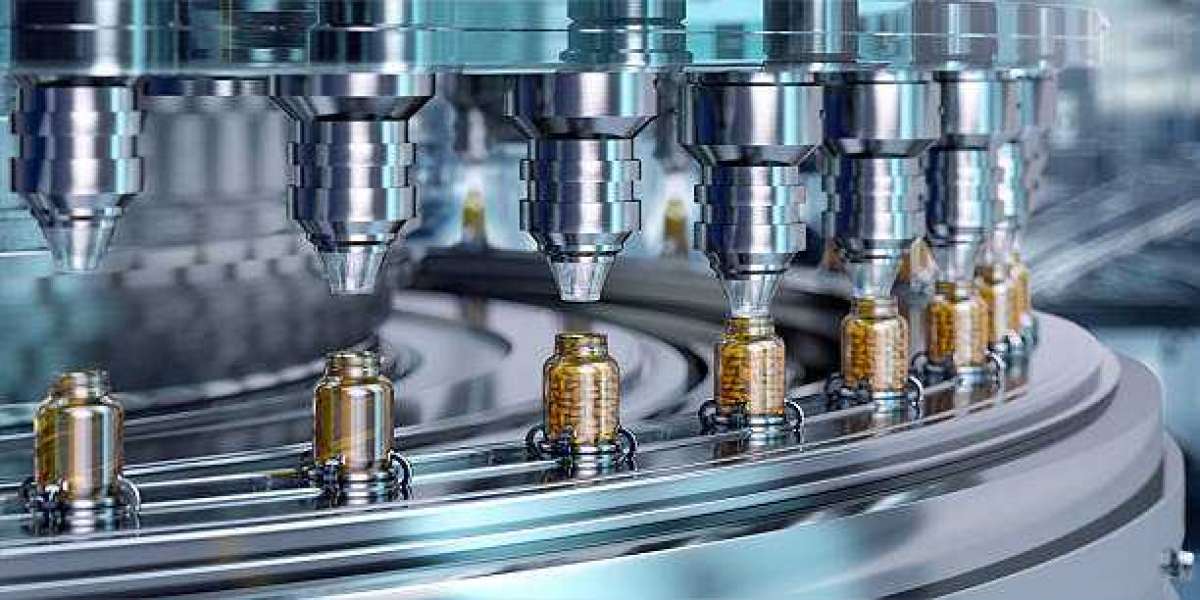

Glass bottle packaging has remained one of the most trusted packaging solutions across industries for decades, offering exceptional durability, product protection, and sustainability. Widely used in the food and beverage, pharmaceutical, cosmetics, and personal care industries, glass bottles preserve product quality without affecting taste, aroma, or chemical composition. As consumers and businesses increasingly prioritize environmentally friendly packaging, glass has gained renewed attention due to its ability to be recycled indefinitely without losing its quality.
According to the latest industry analysis, the glass bottle packaging industry was valued at USD 56.33 billion in 2025 and is expected to reach USD 88.43 billion by 2032, growing at a CAGR of 6.65% during 2026–2032. Rising demand for sustainable packaging, premium product presentation, expanding beverage production, and increasing pharmaceutical manufacturing are key factors supporting industry growth.
Sustainability Is Accelerating Glass Packaging Adoption
Environmental concerns and stricter regulations on plastic waste are encouraging businesses to adopt recyclable packaging materials. Glass stands out because it can be recycled repeatedly without any loss in purity or performance, making it one of the most environmentally responsible packaging materials available.
Manufacturers are also increasing the use of recycled glass, commonly known as cullet, to reduce energy consumption and carbon emissions during production. Many global brands are incorporating higher percentages of recycled content into their packaging to meet sustainability goals and comply with evolving environmental regulations.
As circular economy initiatives continue expanding worldwide, glass bottle packaging is expected to benefit from growing consumer and corporate preference for recyclable materials. Learn more about glass recycling and sustainability from the U.S. Environmental Protection Agency (EPA).
Beverage Industry Remains the Largest End User
The beverage industry continues to account for the largest share of glass bottle packaging demand. Carbonated soft drinks, bottled water, fruit juices, wine, beer, premium spirits, and dairy beverages frequently utilize glass bottles because they preserve flavor and freshness while preventing contamination.
Glass is chemically inert, meaning it does not react with the product it contains. This characteristic helps maintain the original taste, aroma, and quality of beverages over extended storage periods. Premium beverage brands also prefer glass packaging because it enhances product appearance and strengthens brand perception.
As premium beverage consumption grows globally, demand for high-quality glass bottles is expected to increase steadily.
Pharmaceutical Industry Drives Consistent Demand
Glass bottles continue to play an essential role in pharmaceutical packaging due to their superior barrier properties and chemical stability. Medicines, syrups, vaccines, injectable products, and laboratory chemicals often require packaging materials that provide maximum protection against contamination and environmental exposure.
Unlike some alternative materials, glass prevents interactions between the packaging and pharmaceutical formulations, helping preserve product efficacy throughout its shelf life. Regulatory agencies across the world continue to recognize glass as a preferred material for many pharmaceutical applications.
Growing investments in healthcare infrastructure and pharmaceutical manufacturing are expected to support long-term industry growth.
Premium Packaging Enhances Consumer Appeal
Glass packaging has become synonymous with quality, authenticity, and luxury. Premium food products, alcoholic beverages, perfumes, cosmetics, and skincare products frequently utilize glass bottles to create a sophisticated brand image.
Manufacturers are introducing customized bottle shapes, decorative finishes, embossed branding, colored glass, and premium closures to differentiate their products in competitive retail environments. Attractive packaging plays an increasingly important role in influencing purchasing decisions and improving customer experience.
The growing demand for premium consumer products continues creating opportunities for innovative glass bottle designs.
Lightweight Glass Technology Improves Efficiency
Historically, one of the biggest challenges associated with glass packaging has been its weight. However, technological advancements have enabled manufacturers to produce lightweight glass bottles that maintain strength while reducing material consumption.
Lightweight glass reduces transportation costs, lowers fuel consumption, and minimizes greenhouse gas emissions throughout the supply chain. Improved manufacturing processes also help optimize production efficiency without compromising product safety or durability.
These innovations are making glass packaging more competitive across multiple industries.
Cosmetics and Personal Care Applications Continue Expanding
The cosmetics and personal care industry increasingly relies on glass bottles for perfumes, serums, essential oils, lotions, and premium skincare products. Glass provides excellent chemical resistance while protecting sensitive formulations from degradation caused by oxygen, moisture, and ultraviolet light.
Consumers also associate glass packaging with luxury and environmental responsibility, making it an attractive choice for premium beauty brands. Refillable glass containers are becoming increasingly popular as companies seek to reduce packaging waste and strengthen sustainability initiatives.
The continued expansion of the global beauty industry is expected to create additional growth opportunities for glass packaging manufacturers.
Manufacturing Innovations Improve Production Sustainability
Glass manufacturers are investing heavily in automation, digital production monitoring, and energy-efficient furnace technologies. These innovations improve manufacturing productivity while reducing energy consumption and operational costs.
The increased use of recycled raw materials, modern furnace designs, and advanced quality control systems enables manufacturers to produce high-quality glass bottles with lower environmental impact. Automation also helps improve product consistency while supporting large-scale production.
Challenges and Emerging Opportunities
Despite its many advantages, the glass bottle packaging industry faces challenges including high energy consumption during production, transportation costs due to product weight, fluctuations in raw material prices, and competition from lightweight alternative packaging materials.
However, growing demand for environmentally responsible packaging, increasing adoption of refillable containers, technological advancements in lightweight glass manufacturing, and expanding applications in premium consumer goods present significant opportunities. Continued innovation in recycled glass utilization and energy-efficient production methods is expected to support long-term industry growth.
As governments, manufacturers, and consumers increasingly prioritize sustainability, glass bottle packaging is well positioned to remain a preferred packaging solution across multiple industries. Additional insights into sustainable glass manufacturing are available from the Glass Packaging Institute (GPI).
Major Players
- O-I Glass, Inc.
- Ardagh Glass Packaging
- Verallia SA
- Gerresheimer AG
- Vetropack Holding Ltd.
- BA Glass Group
- Heinz-Glas GmbH Co. KGaA
- Piramal Glass Private Limited
- Vidrala S.A.
- Stoelzle Glass Group
These companies continue investing in lightweight glass technologies, recycled material integration, premium packaging designs, and energy-efficient manufacturing processes to meet the evolving needs of global industries.
Future Outlook
The glass bottle packaging industry is expected to maintain steady growth as sustainability, premiumization, and product safety remain key priorities across food and beverage, pharmaceutical, cosmetics, and personal care industries. Continued innovation in lightweight packaging, higher recycled content, and energy-efficient production technologies will further strengthen the industry's long-term prospects.








