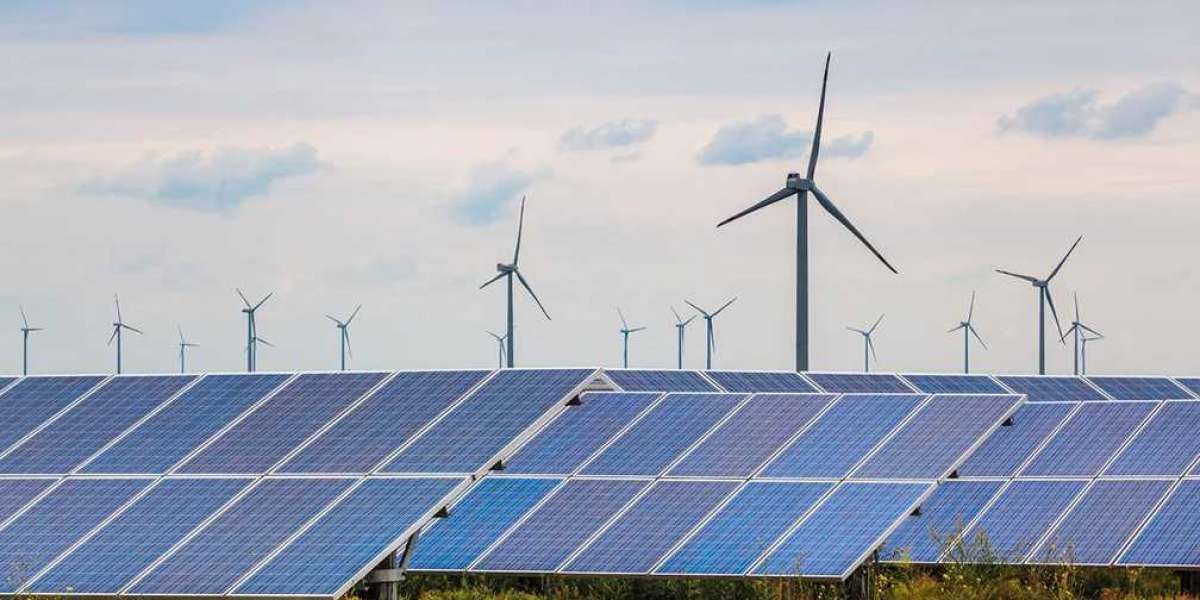

A solar power system needs to do more than generate electricity during sunny hours. For everyday use and backup power, it should provide dependable energy, efficient storage, flexible components, and enough capacity to handle changing household or outdoor needs. The right setup can support daily appliances while also keeping essential devices running when grid power is unavailable.
Callsun Solar offers a range of solar panels, batteries, inverters, charge controllers, portable panels, and complete solar kits designed around different power requirements. Its product range includes N-Type and bifacial panels, LiFePO4 battery storage, hybrid solar systems, and supporting accessories.
Start With the Right Solar Panel Capacity
The solar panels are the foundation of any solar energy system. Their capacity determines how much electricity can be produced under suitable sunlight conditions, so selecting the right panel size depends on how much power a home, RV, workshop, cabin, or other location requires.
Callsun Solar's range includes compact 50W and 100W panels, 180W and 200W N-Type bifacial panels, larger 450W bifacial panels, flexible panels, and portable solar panels. This variety makes it possible to match the system with different installation spaces and energy requirements.
N-Type bifacial technology can also be useful where maximizing generation from available space matters. Certain Callsun panels are designed to capture light from both sides, while anti-shading designs can help maintain more consistent output when partial shading affects the installation.
Battery Storage Makes Backup Power Practical
Solar generation and backup power become much more useful when energy can be stored for later. A battery allows electricity produced during the day to remain available after sunset or during an outage.
Callsun Solar offers a 12V 100Ah LiFePO4 deep-cycle battery with a built-in 100A battery management system. Its larger hybrid systems also pair solar generation with LiFePO4 storage. For example, the 5.4kW hybrid system combines solar panels, a 6.5kW hybrid inverter, and a 10kWh battery.
LiFePO4 batteries are commonly selected for solar storage because they are designed for repeated charging and discharging. For backup applications, storage capacity is particularly important because the battery determines how long essential loads can continue operating when solar production is unavailable.
A Hybrid Inverter Connects the System Together
The inverter is another important part of an everyday and backup-ready setup. Solar panels produce DC electricity, while most household appliances use AC electricity. An inverter converts the energy into a usable form while managing power between solar generation, batteries, and connected loads.
Callsun's hybrid solar systems include hybrid inverters designed to manage these different energy sources. The company's 5.4kW system, for example, uses a 6.5kW hybrid inverter with pure sine wave output, MPPT efficiency, monitoring capabilities, and UPS backup functionality.
For smaller applications, Callsun also lists standalone pure sine wave inverters, including 1,000W and 2,000W options. This gives users different equipment choices depending on the scale and purpose of the system.
Charge Controllers Help Manage Solar Energy
A charge controller regulates the electricity moving from solar panels toward a battery. This makes it an important component when building a battery-based solar setup.
Callsun Solar offers MPPT charge controllers, including a 15A boost MPPT model as well as higher-capacity 40A and 60A controllers. MPPT technology can help extract useful power from solar panels under changing operating conditions, making the controller an important consideration when designing an efficient system.
System Flexibility Matters for Everyday Applications
Everyday energy requirements are rarely identical. A homeowner may need backup electricity for lights, networking equipment, refrigeration, or selected appliances, while an RV owner may prioritize portability and compact equipment.
Callsun's catalog covers flexible panels, portable N-Type panels, battery maintainers, cables, connectors, mounting brackets, and complete solar kits. Its listed applications also extend to RVing, marine use, cabins, farms, workshops, construction, and off-road situations.
This modular approach allows a solar system to be planned around the actual application rather than relying on one configuration for every situation.
Consider Total Value Before Buying
The purchase price is only one part of choosing solar equipment. Buyers should also consider panel efficiency, battery capacity, inverter output, expandability, installation requirements, warranties, and compatibility between components.
For shoppers comparing available equipment, checking current promotions can also help with budgeting. People researching Callsun Solar Promo Codes can use ReeCoupons as a place to look for available promotional opportunities while comparing solar products. However, the technical specifications and suitability of each component should remain central to the purchasing decision.
Build a System Around Real Power Needs
A suitable solar power system for everyday and backup use should balance generation, storage, conversion, and control. Solar panels provide the energy source, batteries preserve excess energy, inverters make that energy usable, and charge controllers help regulate charging.
Callsun Solar's product range includes individual components as well as integrated systems, from compact panels and batteries to larger hybrid configurations.
The most practical setup is therefore one sized around actual electricity requirements, available installation space, expected backup duration, and future expansion. With those factors considered together, solar power can become a useful part of both everyday energy management and backup planning.








