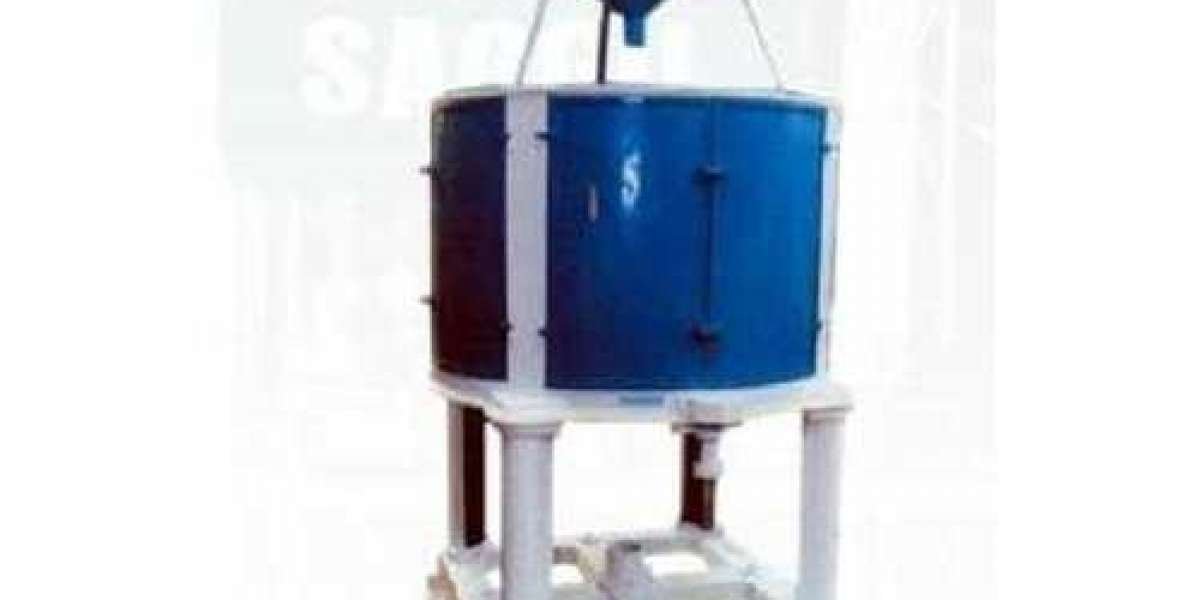

In the world of rice processing, where quality is paramount, the rice cone polisher stands as a beacon of excellence. This innovative machine adds the final touch to the journey of rice, refining its appearance and enhancing its market value. Let's delve into the workings and benefits of this indispensable tool.
Mechanism:
At its core, the rice cone polisher employs a simple yet effective mechanism. The rice, having undergone various milling stages, enters the polisher in its raw form. Inside, it encounters a rotating cone coated with a fine abrasive material, typically made of carborundum. As the rice grains interact with the abrasive surface, the outer layer, known as the bran layer, is gently abraded. This process smoothens the surface of the grain, imparting a lustrous sheen.
Benefits:
Enhanced Appearance: The primary function of the Rice cone polisher is to enhance the visual appeal of rice. By removing the dull outer layer, the machine reveals the translucent inner kernel, giving it a glossy finish that is visually enticing.
Improved Texture: Beyond aesthetics, the polishing process also affects the texture of the rice. The removal of the bran layer results in a smoother, more uniform surface, contributing to a pleasant mouthfeel when cooked.
Extended Shelf Life: The polishing process not only enhances the appearance but also contributes to the longevity of the rice. By removing the outer bran layer, which contains oils susceptible to rancidity, the polished rice enjoys an extended shelf life compared to its unpolished counterpart.
Increased Market Value: In the competitive rice market, presentation matters. Polished rice fetches a higher price due to its superior appearance and perceived quality. The investment in a rice cone polisher thus translates into increased profitability for rice producers and processors.
Versatility: The rice cone polisher is versatile and adaptable to various types of rice, from long-grain to short-grain varieties. It can accommodate different polishing intensities, allowing operators to tailor the process to meet specific market demands and preferences.
Efficiency: Despite its intricate polishing action, the rice cone polisher operates with remarkable efficiency. It can process large quantities of rice swiftly, ensuring a steady supply of polished grains to meet market demands.
Conclusion:
In the realm of rice processing, the rice cone polisher reigns supreme as a vital tool for enhancing quality and marketability. Its ability to transform ordinary grains into polished gems underscores its significance in the industry. As consumers continue to demand excellence in their rice choices, the rice cone polisher stands ready to meet and exceed expectations, one grain at a time.