
What is Blockchain?
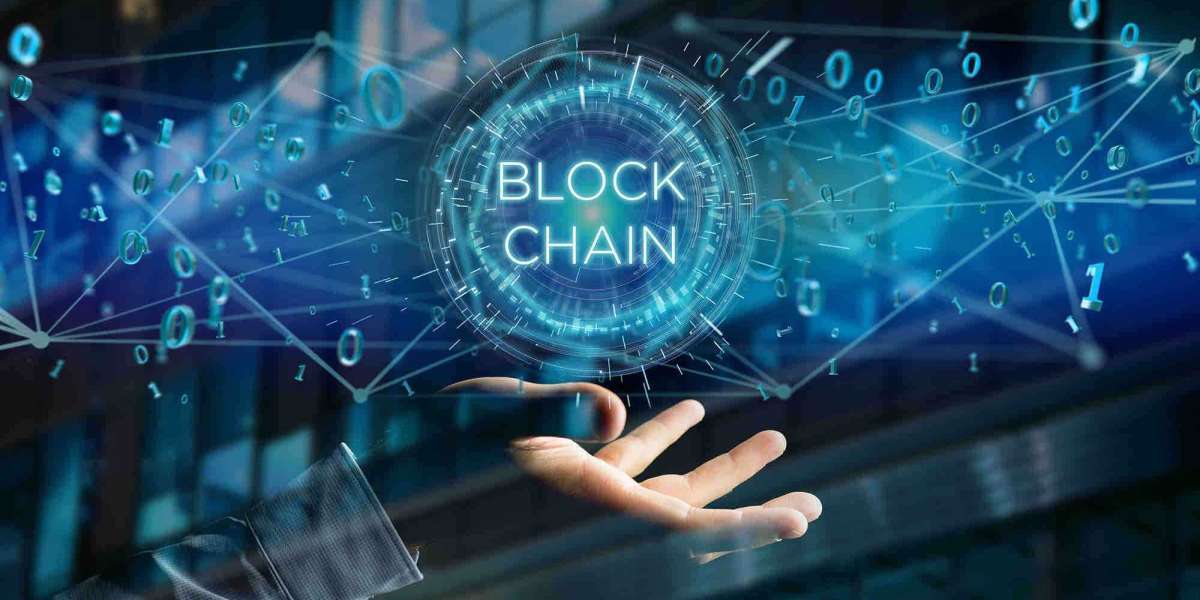
Blockchain is a distributed ledger technology (DLT) that records transactions in a secure, transparent, and immutable manner. Unlike traditional centralized databases, blockchain operates on a decentralized network of nodes, ensuring that data cannot be altered or manipulated by a single entity.
Key Features of Blockchain:
- Decentralization: Transactions are validated by multiple nodes rather than a central authority.
- Transparency: Every transaction is recorded on a public or private ledger, making it verifiable.
- Security: Cryptographic algorithms protect data from tampering and fraud.
- Immutability: Once a block is added to the chain, it cannot be changed.
- Smart Contracts: Self-executing contracts that run on blockchain, automating processes without intermediaries.
Applications of Blockchain:
- Cryptocurrencies: Bitcoin, Ethereum, and other digital assets operate on blockchain networks.
- Supply Chain Management: Ensures transparency and traceability of goods.
- Finance and Banking: Enables faster and more secure transactions.
- Healthcare: Protects patient records and ensures data privacy.
- Voting Systems: Prevents fraud and enhances trust in elections.
What is Web 3.0?
Web 3.0, also known as the decentralized web, is the next phase of the internet that prioritizes user ownership, interoperability, and security. Unlike Web 2.0, which relies on centralized platforms like Google, Facebook, and Amazon, Web 3.0 leverages blockchain and decentralized protocols to create a more open and user-driven internet.
Key Characteristics of Web 3.0:
- Decentralization: Data is stored across a network of nodes, eliminating reliance on central servers.
- Interoperability: Different blockchain networks and applications can communicate seamlessly.
- Enhanced Privacy and Security: Users have control over their data and identity.
- Tokenization: Digital assets and tokens enable new economic models and ownership structures.
- Artificial Intelligence and Automation: AI-driven algorithms improve personalization and efficiency.
How Web 3.0 Works:
Web 3.0 utilizes various technologies, including:
- Blockchain: Provides a secure and immutable infrastructure.
- Decentralized Applications (DApps): Applications that run on blockchain networks.
- Decentralized Finance (DeFi): Financial services without intermediaries, enabling direct peer-to-peer transactions.
- Non-Fungible Tokens (NFTs): Unique digital assets representing ownership of art, music, and virtual items.
Impact of Blockchain and Web 3.0 on the Future of the Internet
The integration of blockchain and Web 3.0 is set to revolutionize the internet by addressing critical issues such as data privacy, security, and monopolization by tech giants. Some key areas of transformation include:
1. Financial Freedom and Inclusion
Web 3.0 and blockchain-powered DeFi platforms provide financial services to unbanked populations, enabling global access to capital without intermediaries.
2. User-Controlled Data
Unlike Web 2.0, where companies own and monetize user data, Web 3.0 allows individuals to control and monetize their own digital identity and information.
3. Decentralized Social Media
Web 3.0 enables censorship-resistant and community-governed social media platforms, reducing dependency on centralized corporations.
4. The Creator Economy
NFTs and blockchain-based monetization allow content creators to directly profit from their work without relying on intermediaries.
5. Enhanced Security and Reduced Cyber Threats
Decentralized networks minimize risks associated with data breaches and cyberattacks, ensuring a safer internet experience.
Challenges and Future Outlook
Despite its potential, blockchain and Web 3.0 face several challenges:
- Scalability: Current blockchain networks struggle with transaction speed and cost.
- Regulation: Governments are still formulating policies for decentralized systems.
- User Adoption: Transitioning from centralized to decentralized platforms requires awareness and education.
As technology advances, solutions such as layer 2 scaling, improved interoperability, and regulatory frameworks will help accelerate the adoption of blockchain and Web 3.0.
Blockchain and Web 3.0 represent a paradigm shift in how the internet functions, emphasizing decentralization, security, and user empowerment. While challenges remain, the long-term potential of these technologies is immense, paving the way for a more transparent, efficient, and equitable digital world. As adoption grows, we can expect to see innovative applications that redefine industries and create new economic opportunities.
The future of the internet is decentralized, and blockchain and Web 3.0 are leading the way. ?