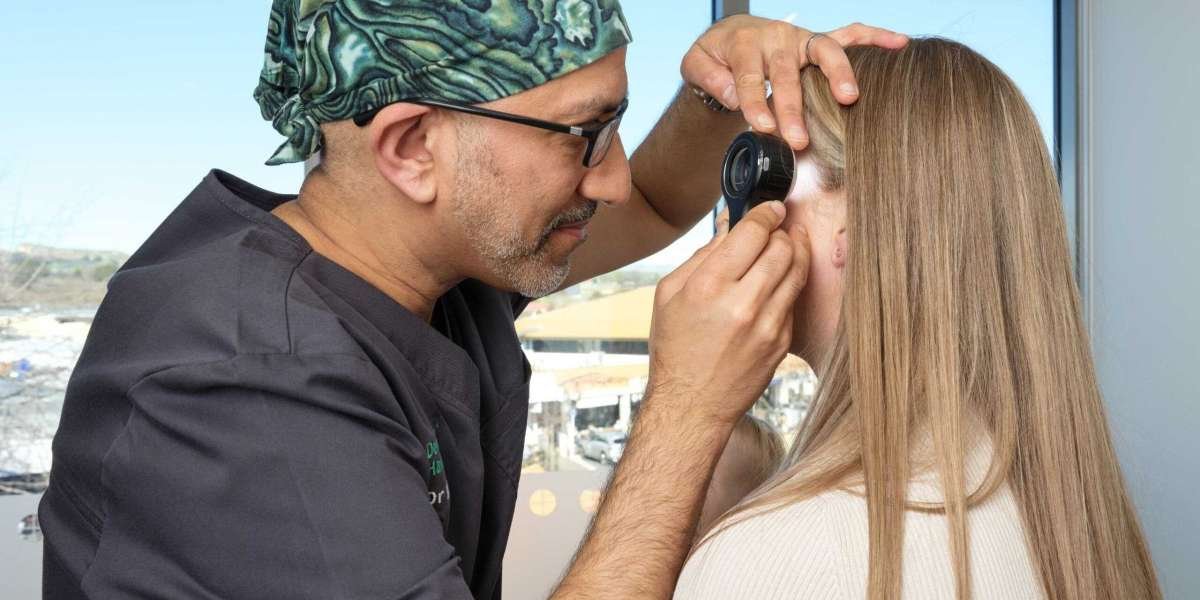

Mohs Micrographic Surgery is a highly specialized surgical technique used to treat certain types of skin cancer. Named after Dr. Frederic Mohs, who developed the procedure in the 1930s, this method is considered one of the most effective and precise ways to remove skin cancer while preserving healthy tissue. It is particularly beneficial for cancers located in areas where conserving healthy tissue is crucial, such as the face, ears, and hands.
How Does Mohs Micrographic Surgery Work?
The key feature of Mohs Micrographic Surgery is its meticulous step-by-step approach, allowing surgeons to remove the cancerous tissue layer by layer, examining each layer under a microscope to ensure complete removal. Here's how the procedure typically unfolds:
Preparation and Local Anesthesia: The patient is given local anesthesia to numb the area being treated. This ensures the procedure is pain-free, and only the targeted area is affected.
Removing the First Layer: The surgeon removes a thin layer of tissue from the affected area. This tissue is then immediately examined under a microscope to look for any cancer cells.
Layer-by-Layer Removal: If cancer cells are detected, the surgeon removes another thin layer of tissue, continuing this process until no more cancer cells are found. This ensures that the cancer is fully excised without removing excess healthy skin.
Reconstruction: Once the cancer is completely removed, the surgeon may perform a reconstruction of the area, depending on its size and location, to restore both function and appearance.
Advantages of Mohs Micrographic Surgery
High Cure Rate: Mohs surgery boasts an impressive cure rate, with some studies showing success rates of up to 99%. The layer-by-layer examination ensures all cancerous cells are removed.
Tissue Preservation: Unlike traditional methods, Mohs surgery is a tissue-sparing technique. It removes the cancerous cells while preserving as much healthy skin as possible, which is particularly important for cosmetic and functional areas.
Precision: This technique allows for precision in treatment, especially for skin cancers in critical areas such as the face, neck, and hands, where scarring and tissue loss can be particularly detrimental.
Quick Recovery: Since the surgery is done in stages and often completed in one day, recovery times are typically faster compared to other skin cancer treatments.
Conclusion
Mohs Micrographic Surgery is a gold-standard procedure for treating skin cancer, offering patients the dual benefits of a high cure rate and the preservation of healthy tissue. Whether you're dealing with basal cell carcinoma, squamous cell carcinoma, or other forms of skin cancer, this method ensures the best possible outcome for both treatment success and cosmetic appearance. Always consult with a qualified dermatologist or surgeon to see if Mohs Micrographic Surgery is the right choice for your condition.








