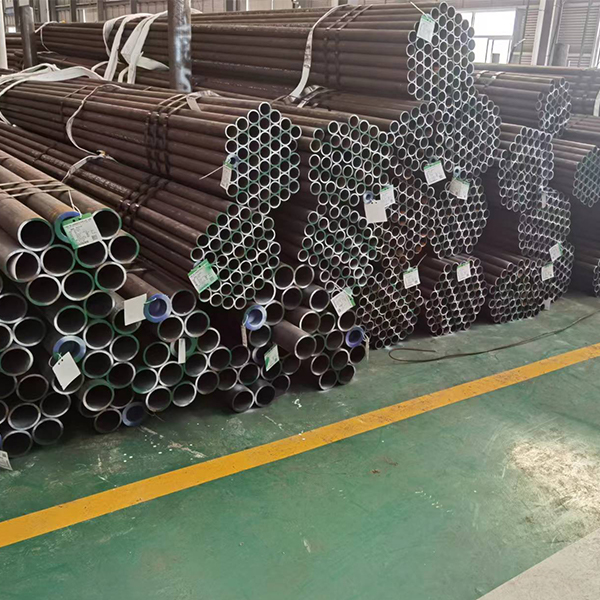
Carbon Steel Pipe Tube: Selection Guide for Various Industries
Selecting the appropriate Carbon steel pipe tube and tubing is critical for ensuring optimal performance across different industrial applications. With various grades, specifications, and manufacturing processes available, understanding key selection factors helps professionals make informed decisions.
Material Grade Considerations
The choice of carbon steel grade significantly impacts performance:
ASTM A53: General purpose piping for low/medium pressure applications
ASTM A106: High-temperature service in power plants and refineries
ASTM A333: Low-temperature applications for cryogenic environments
API 5L: Pipeline transportation of oil and gas
Each grade offers distinct chemical compositions and mechanical properties tailored to specific operating conditions. Some manufacturers provide customized alloy modifications for specialized requirements.
Dimensional Specifications
Proper sizing ensures system efficiency:
• Wall thickness (Schedule 40, 80, etc.) determines pressure capacity
• Diameter selection affects flow rates and structural requirements
• Length options impact installation efficiency and joint minimization
Manufacturing Process Selection
Seamless pipes excel in high-pressure applications
Welded pipes offer cost advantages for low/medium pressure uses
ERW (Electric Resistance Welded) provides consistent carbon steel pipe quality for structural applications
LSAW (Longitudinal Submerged Arc Welded) suits large diameter pipeline projects
Industry-Specific Selection Criteria
Oil Gas: Prioritize API-certified pipes with corrosion-resistant coatings
Chemical Processing: Require high-purity materials with excellent weldability
Power Generation: Need creep-resistant alloys for high-temperature steam lines
Construction: Focus on carbon steel sheet structural integrity and load-bearing capacity
Additional Selection Factors
Corrosion protection requirements
Temperature and pressure ranges
Compliance with industry standards
Lifecycle cost considerations