

Discover the Ultimate Screen House Gazebo That Defies the Wind!
Screen house gazebos have become a popular choice for outdoor enthusiasts looking to enjoy nature while staying protected from pesky bugs and unpredictable weather. Whether hosting a summer barbecue, enjoying a garden tea, or simply relaxing with a book, these structures provide a perfect blend of comfort and protection. However, if you live in an area prone to windy conditions, selecting a durable screen house gazebo becomes crucial. A model designed to withstand the elements ensures not just your enjoyment but also your safety. In this article, we will delve into the features that make a screen house gazebo resilient against windy environments, helping you make an informed decision for your outdoor space.
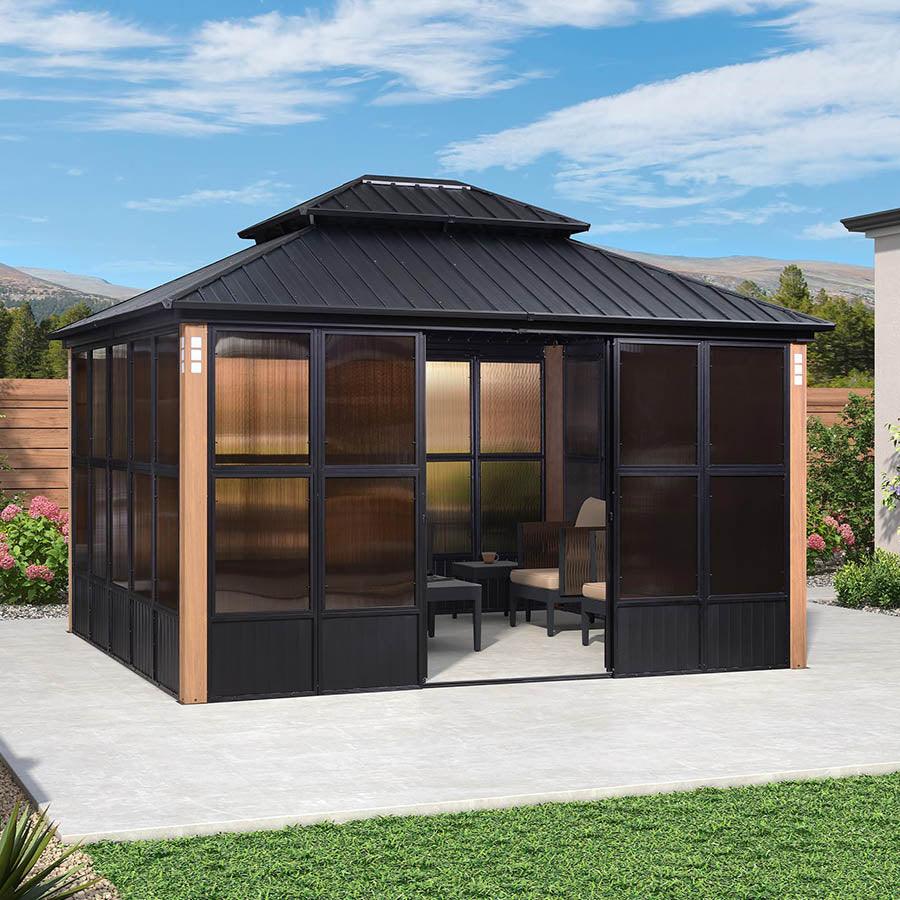
Understanding Windy Conditions and Their Impact
Windy conditions pose unique challenges for outdoor structures, and screen house gazebos are no exception. High winds can create significant forces acting on the structure, leading to potential issues such as wind uplift and lateral forces. Wind uplift occurs when strong gusts create a pressure difference, lifting the gazebo off the ground. Similarly, lateral forces can push against the sides of the structure, risking structural integrity. Understanding these forces is essential for selecting a gazebo that can endure such conditions. If you've ever seen a gazebo toppled by a sudden gust, you know how important it is to prioritize stability and durability in your selection process. Ensuring that your screen house gazebo can withstand these challenges will provide peace of mind during windy days.
Key Features to Look for in a Durable Screen House Gazebo
When searching for a durable screen house gazebo suited for windy conditions, several key features should be at the forefront of your considerations. First, the materials used in construction play a vital role in determining strength and durability. Look for robust frames made from steel or heavy-duty aluminum that can resist bending and breaking. The fabric should also be strong, ideally made from UV-resistant polyester or a similar material that can withstand wear and tear. Additionally, design elements such as shape and height influence wind resistance; a lower profile and aerodynamic shape can minimize wind impact. Moreover, a reliable anchoring system is critical; look for gazebos that come with stakes, straps, or other anchoring options to keep them secure. Wind resistance ratings can also provide insight into how well the gazebo can perform in adverse weather. Each of these features contributes to the overall performance of the gazebo in windy conditions, ensuring you can enjoy your outdoor space with confidence.
Materials Matter
The choice of materials is paramount when selecting a screen house gazebo. A sturdy frame made of steel or heavy-duty aluminum offers the strength needed to withstand strong winds. Steel is often favored for its durability, while aluminum provides a lightweight alternative that is resistant to rust. The fabric should be equally robust; high-quality polyester or canvas that is both UV-resistant and waterproof can help prevent wear from sun exposure and rain. My friend Sarah invested in a gazebo with a heavy-duty aluminum frame and a thick, UV-resistant fabric, and she has been impressed with its performance even during stormy weather. The combination of these materials ensures longevity and resilience, making them ideal for a gazebo intended for windy conditions.
Design Considerations
Design elements significantly impact a gazebo's ability to resist wind. A low-profile design with a sloped roof can effectively minimize wind resistance, allowing air to flow over rather than against the structure. Ventilation options, such as mesh panels or openings, can also reduce wind pressure inside the gazebo. Additionally, consider the shape; circular or hexagonal designs tend to handle wind better than square or rectangular ones. When my friends and I set up a gazebo with a curved roof at the beach, we noticed it handled the coastal winds much better than our previous square models. Choosing a design that takes wind resistance into account can enhance stability significantly.
Tips for Setting Up Your Screen House Gazebo in Windy Conditions
Proper setup is crucial for ensuring that your screen house gazebo can withstand windy conditions. Start by selecting a location that is sheltered from strong gusts, such as near a wall or trees that can act as a windbreak. Once you've chosen the spot, make sure to secure the gazebo with an effective anchoring system. Use stakes, sandbags, or weighted anchors to hold the structure in place. It's also wise to regularly check the tension on any guy lines or straps to ensure they remain secure. During particularly windy days, consider adjusting the positioning or even temporarily removing the gazebo if conditions become extreme. A friend of mine learned this lesson the hard way; after a storm, he found his gazebo had shifted and suffered damage because it wasn't adequately anchored. Taking these precautions can help you enjoy your outdoor space safely.
Maintenance Tips for Longevity
Regular maintenance is essential for ensuring your screen house gazebo remains durable over time. Begin with regular cleaning, removing debris and dirt that can accumulate on the fabric and frame. Seasonal preparation is also crucial; inspect the gazebo before and after each season, checking for any signs of wear or damage. Pay special attention to the anchoring system and any fabric seams, as these areas can be susceptible to wear from wind and weather. My neighbor diligently maintains her gazebo, and as a result, it has lasted for years without any significant issues. By committing to regular upkeep, you can enhance the longevity of your gazebo and ensure it remains a reliable shelter in windy conditions.
Choosing the Right Gazebo for Wind Resistance
In summary, selecting a durable screen house gazebo that can withstand windy conditions is crucial for maximizing your outdoor enjoyment and ensuring safety. By understanding the impact of wind on outdoor structures and recognizing the key features that enhance stability and durability, you can make an informed choice. Remember to consider the materials, design, and anchoring systems as you shop. Additionally, following practical setup tips and maintaining your gazebo will contribute to its longevity. Take the time to assess your specific needs and environmental factors, and you'll find the perfect gazebo that not only withstands the wind but enhances your outdoor experience.








