Unlocking the Secret to Perfect Cardio Recovery for a Healthier Heart!
Cardio recovery is an essential component of any fitness regimen, playing a crucial role in both performance improvement and heart health. Many individuals focus primarily on the intensity of their workouts, but understanding how well your body recovers is just as vital. A good cardio recovery number can indicate your heart's efficiency and your overall fitness level, helping you to avoid overtraining and potential injuries.
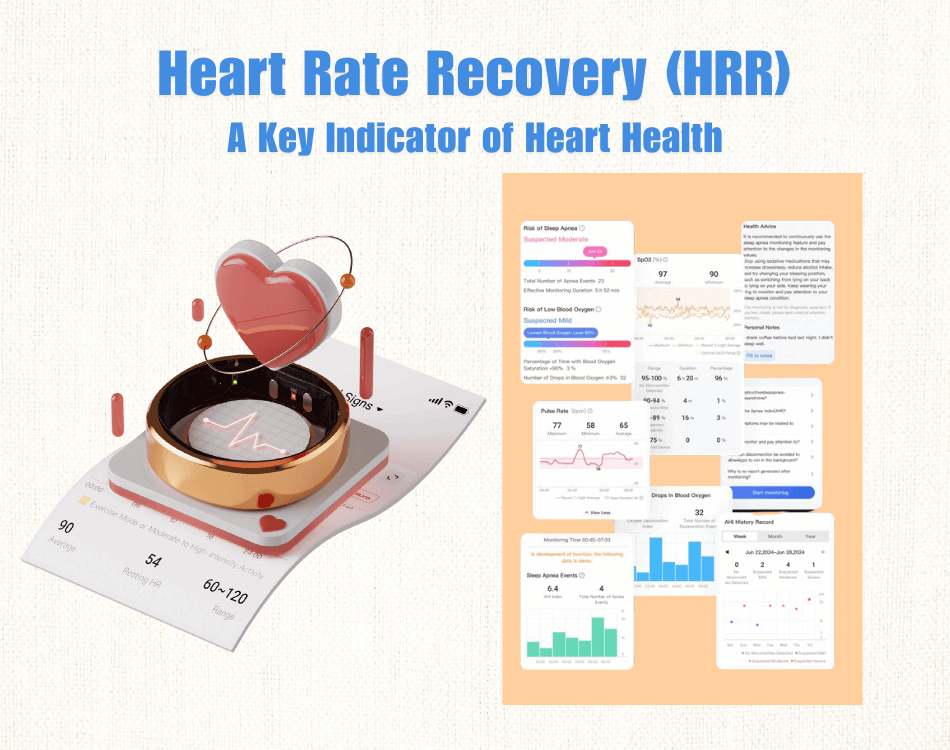
In this article, we will explore what constitutes a good cardio recovery number, including the metrics involved and how they relate to your individual health. By grasping this concept, you can better tailor your fitness routine to promote optimal recovery and heart health.
Understanding your recovery number is not just beneficial for athletes; it is crucial for anyone wanting to enhance their fitness journey or maintain a healthy lifestyle. So, let’s dive deeper into the world of cardio recovery!
Understanding Cardio Recovery
Cardio recovery refers to the body’s ability to return to its resting state after engaging in cardiovascular exercise. This process is significant as it indicates how well your heart and muscles recover from the strain of exercise. During cardio workouts, your heart rate increases, and your body consumes more oxygen. Recovery involves a complex interplay of physiological processes, including heart rate normalization, muscle repair, and hormonal balance.
When you finish a cardio session, your body begins the recovery process almost immediately. Your heart rate gradually decreases, and your body starts replenishing energy stores while repairing any micro-tears in muscle fibers. The efficiency of this recovery can be influenced by various factors, including your fitness level, age, and even sleep quality. Understanding these processes can help you recognize the importance of allowing adequate recovery time between workouts.
What is a Good Cardio Recovery Number?
A good cardio recovery number can vary from person to person, but it is typically measured by how quickly your heart rate returns to its resting state after exercise. For most individuals, an effective recovery time is considered to be a drop of 20 beats per minute (bpm) or more within the first minute after stopping exercise. This metric serves as an indicator of cardiovascular fitness and overall health.
Several factors can influence your cardio recovery number. Age is a significant factor, as younger individuals usually experience faster recovery rates than older adults. Additionally, your fitness level plays a crucial role; regular exercise can improve your recovery time as your heart becomes more efficient. Other factors, such as hydration, nutrition, and stress levels, also contribute to how well your body recovers after cardio workouts.
How to Measure Cardio Recovery
Measuring your cardio recovery number can be done using simple methods that don’t require advanced technology. One common approach is to monitor your heart rate manually or with a heart rate monitor immediately after you finish exercising. Record your heart rate right after stopping, and then check it again after one minute. The difference will give you your recovery number.
For more precise measurements, some fitness apps and wearable devices track heart rate variability (HRV), which can provide deeper insights into your recovery status over time. Keeping a log of your recovery numbers can help you identify trends and adjust your training accordingly.
Improving Your Cardio Recovery
Additionally, allowing for effective recovery is essential. Focusing on a balanced diet rich in carbohydrates, proteins, and healthy fats can significantly impact your overall fitness and heart health. Incorporate rest days into your training schedule, as most muscles need time to repair and replenish energy stores.
Hydration is another key factor. Dehydration can slow down recovery processes and negatively affect performance. Make sure to drink enough fluids before, during, and after your workouts. Finally, consider integrating active recovery techniques, such as light stretching, yoga, or low-intensity activities, which can promote circulation and aid in muscle recovery.
Common Misconceptions About Cardio Recovery
Despite the growing awareness of cardio recovery, several misconceptions persist. One common myth is that faster workouts are always better, leading to the belief that one should push through fatigue without taking adequate recovery time. In reality, overtraining can lead to burnout and increased risk of injury, underscoring the importance of listening to your body.
Another misconception is that cardio recovery numbers are only relevant for serious athletes. However, understanding your recovery metrics can benefit anyone engaged in physical activity, providing insights into overall health and fitness levels. By debunking these myths, individuals can better appreciate the importance of recovery in their fitness journey.
Understanding the Importance of Cardio Recovery
In summary, understanding good cardio recovery numbers is vital for anyone focused on improving their fitness and heart health. Monitoring your recovery metrics can provide valuable insights into your cardiovascular efficiency and overall well-being. By prioritizing recovery through proper rest, nutrition, and hydration, you can enhance your fitness journey and promote a healthier heart.
We encourage you to take a proactive approach to monitor and improve your personal recovery metrics. Remember, the path to a healthier life is not just about how hard you work out, but also how effectively you recover. Embrace the importance of cardio recovery, and you will surely see positive impacts on your heart health and fitness levels.