

Unlock Your Vision: Discover the Perfect SLS Prototyping Service Today!
In the fast-paced world of product development, prototyping plays a crucial role in taking ideas from concept to reality. A reliable SLS prototyping service can be the key to turning your vision into a tangible product. Selective Laser Sintering (SLS) technology has revolutionized the prototyping process, offering unique advantages that traditional methods simply cannot match. From intricate designs to functional prototypes, SLS allows for greater flexibility, durability, and speed. Understanding the ins and outs of SLS prototyping services will empower you to make informed decisions as you embark on your product development journey.
Understanding SLS Prototyping Services
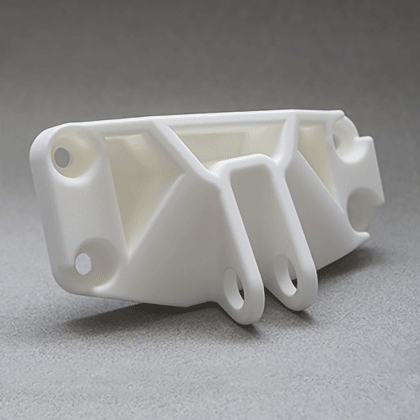
SLS prototyping services utilize a cutting-edge process that involves the layer-by-layer sintering of powdered materials using a high-powered laser. This method allows for the creation of complex geometries that are often impossible to achieve with traditional manufacturing techniques. The process begins with a 3D model, which is sliced into thin cross-sections. The laser then selectively fuses the powder particles together, gradually building the prototype from the bottom up. One of the key benefits of SLS is its ability to work with a variety of materials, including plastics and metals, making it a versatile choice for many industries. Additionally, SLS produces prototypes that are not only accurate but also functional, allowing for testing and validation before moving into full-scale production.
Compared to other prototyping methods such as SLA (Stereolithography) or FDM (Fused Deposition Modeling), SLS offers superior strength and durability. Unlike SLA, which can produce fragile parts, SLS parts are robust and can withstand functional tests. Furthermore, SLS does not require support structures, which simplifies the design process and reduces post-processing time. Overall, the combination of precision, material versatility, and functional capability makes SLS prototyping an excellent choice for innovators looking to develop their products efficiently.
Factors to Consider When Choosing an SLS Prototyping Service
When selecting an SLS prototyping service, the quality of materials and technology used is paramount. Not all service providers utilize the same grade of materials or equipment, which can significantly impact the final product. High-quality powders and advanced lasers yield better precision and surface finish, so it’s essential to inquire about the specifications of the materials used.
Turnaround time is another critical factor to consider. Prototyping can often be a race against time, especially when launching products in competitive markets. Ensure that the service provider can meet your deadlines, and ask about their production capacity to avoid delays. A provider that can handle large volumes may be able to accommodate your needs more efficiently.
Cost considerations are also vital; however, it’s important to balance cost with quality. While it may be tempting to go for the cheapest option, investing in a reliable SLS prototyping service can save you money in the long run by reducing the likelihood of errors and rework. Create a budget that accounts for both the initial costs and potential additional expenses that could arise during the prototyping process.
Finding the Right SLS Prototyping Service for Your Needs
Researching potential SLS prototyping service providers is crucial to finding the right fit for your project. Start by looking for providers that specialize in your industry or type of product. Online directories and industry forums can be excellent resources for discovering reputable companies. Once you have a list of potential candidates, evaluate them based on their service offerings, technology capabilities, and material options.
Customer reviews and testimonials can offer invaluable insights into the reliability and quality of service provided. Look for feedback regarding the accuracy of prototypes, customer service experiences, and overall satisfaction. If possible, reach out to previous clients to ask about their experiences directly.
Moreover, assessing the expertise and experience of the service provider is essential. Inquire about their background in SLS technology, the types of projects they have completed, and any specialized knowledge they may possess. A provider with a strong track record in your specific area will likely understand your unique requirements better and deliver a more tailored service.
Maximizing the Benefits of SLS Prototyping
To get the most out of your SLS prototyping experience, effective communication with your service provider is key. Clearly articulate your project goals, specifications, and any particular challenges you may face. This will help ensure that the prototypes meet your expectations and allow for smoother collaboration throughout the process.
Additionally, preparing your designs for SLS prototyping can significantly influence the outcome. Ensure your 3D models are optimized for the SLS process, taking into account factors such as wall thickness, design complexity, and support structures. Many service providers offer guidelines on best practices, so don’t hesitate to consult them for assistance.
Key Takeaways for Successful SLS Prototyping
Choosing the right SLS prototyping service is a critical step in the product development process. The quality of your prototypes can directly impact the success of your project, making it essential to select a provider that aligns with your needs. By taking the time to research and evaluate options, you can leverage the benefits of SLS technology to create successful prototypes that bring your vision to life. Explore the possibilities that SLS prototyping services offer and embark on your journey to innovation today!








