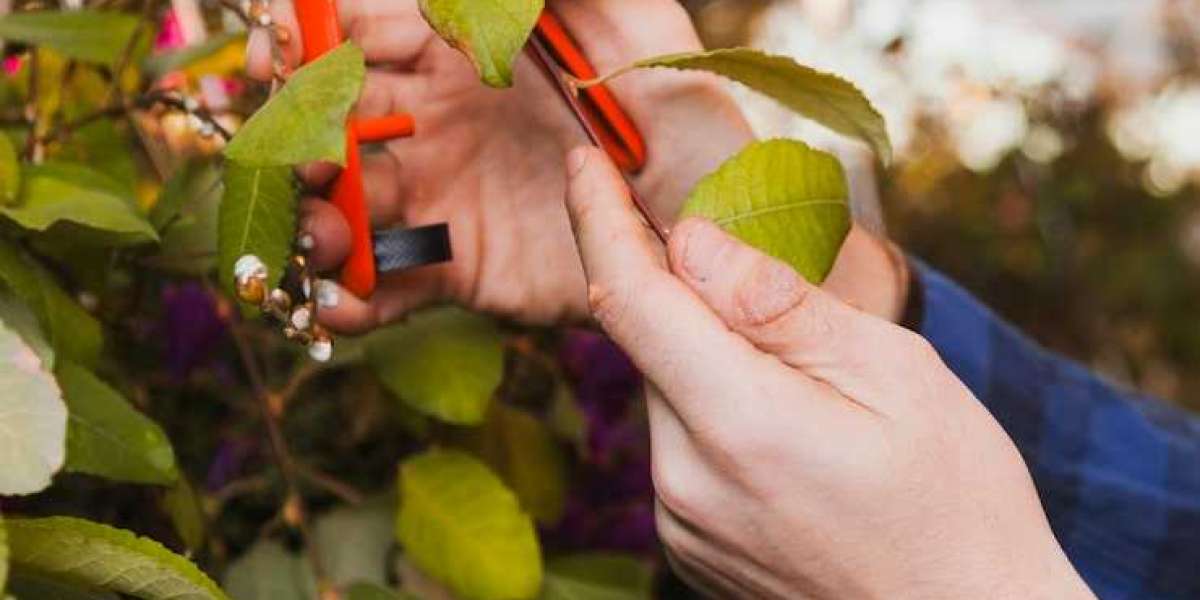

Tree Pruning in Houston Isn’t Optional, It’s Survival
Living with trees in Houston is different than living with trees almost anywhere else. Heat sticks around forever. Humidity doesn’t let up. Storms roll in sideways and leave fast. Trees grow hard here. Fast too. And if you don’t stay ahead of that growth, the tree usually decides for you. That’s where tree pruning in Houston stops being a “nice to have” and turns into straight-up maintenance.
People think pruning is about looks. Shaping. Making things tidy. That’s part of it, sure. But most of the time pruning is about stress relief. For the tree, not you. Houston trees deal with compacted soil, weird drainage, fungal pressure, pests that never really die off, and weather swings that mess with structure. Limbs get heavy. Weight shifts. Weak joints form quietly, then fail loudly.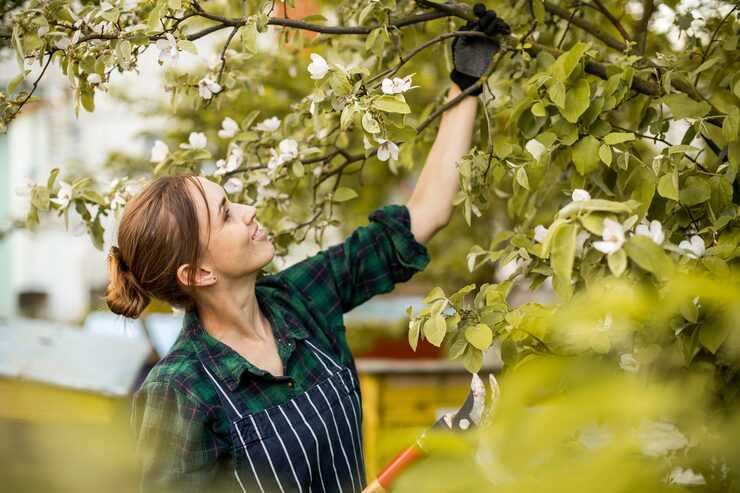
Good pruning reduces risk. It redirects energy. It keeps branches from tearing out during storms. It helps light get where it needs to go. Air too. A tree that breathes does better here. That’s not poetic, that’s practical.
And no, pruning isn’t just cutting stuff off. Bad pruning causes more damage than doing nothing. Flush cuts. Over-thinning. Topping. Those things shorten a tree’s life fast. Houston is full of trees that look fine until they don’t, then the whole top snaps off in a storm. Usually because someone trimmed it wrong five years earlier and forgot about it.
When Tree Pruning in Houston Actually Matters Most
There’s a lot of bad advice floating around about timing. “Prune anytime.” Or “only winter.” Houston doesn’t really play by those rules. Our seasons blur. Trees don’t fully shut down the way they do up north. Growth cycles overlap.
For most species here, late winter into early spring is solid. Trees are less active, stress is lower, structure is easier to see. But that’s not the whole story. Dead limbs should come off whenever you see them. Storm damage doesn’t wait for a calendar. Neither does risk.
Summer pruning gets a bad rep. It can be done right, if it’s light and intentional. Removing crossing branches. Cleaning out deadwood. Reducing weight at the ends. What you don’t do in summer is heavy structural pruning. That’s how you cook a tree in Houston heat.
Fall is tricky. Trees are storing energy. Big cuts then can open doors for decay and pests. Sometimes you have no choice, especially with safety issues. But ideally, fall pruning stays minimal.
The bigger point is this: timing matters, but technique matters more. A good cut at the wrong time often beats a bad cut at the “perfect” time. That’s where experience comes in. And yes, that’s where an arborist houston tx actually earns their keep.
What Most Homeowners Get Wrong About Pruning?
People mean well. They really do. But trees aren’t hedges. You can’t just trim them back evenly and expect them to behave. One of the biggest mistakes is symmetry. People want trees balanced visually. Nature doesn’t care about visual balance. It cares about load distribution and attachment strength.
Another common issue is over-thinning. Someone hears “let air through” and suddenly half the canopy is gone. That stresses the tree. It responds with fast, weak growth called epicormic shoots. Those shoots snap easily. They also create denser canopies later, which defeats the purpose.
Then there’s topping. Cutting the top off a tree to reduce height. That’s not pruning. That’s damage. It creates multiple weak leaders and invites decay right into the trunk. In Houston storms, topped trees fail early and hard.
People also wait too long. They ignore small structural issues because the tree “looks fine.” Trees hide problems well. By the time a homeowner notices a crack or lean, the fix is limited. Early pruning shapes strong structure. Late pruning just reacts to problems.
And finally, DIY without understanding the species. Oaks aren’t pecans. Live oaks don’t behave like red oaks.
Why Houston Trees Need a Different Approach?
Houston soil is rough on roots. Clay-heavy. Compacts easily. Water doesn’t move evenly. Trees adapt by growing shallow, wide root systems. That affects stability. Above-ground structure has to compensate for what’s happening below.
Add hurricanes, straight-line winds, and sudden downpours. Trees here don’t fail slowly. They hold on until they don’t. Proper pruning reduces sail effect. It shortens lever arms. It helps trees move with the wind instead of fighting it.
Heat also changes how trees respond to cuts. Large wounds take longer to compartmentalize here. Fungal pressure stays high most of the year. That means cut placement is critical. Size matters too. Big cuts create big problems.
Urban Houston adds more stress. Concrete reflects heat. Cars compact soil. Construction damages roots quietly. Trees under stress need conservative pruning. Not aggressive shaping.
This is why tree pruning in Houston shouldn’t be treated like a checklist item. It’s an ongoing relationship. Trees change. Surroundings change. What worked five years ago might not now.
The Real Role of an Arborist in Houston TX
A lot of companies say they have arborists. Some do. Some just say it. A real arborist houston tx isn’t just there to cut. They assess. They read the tree. They look at branch unions, decay indicators, growth patterns, soil conditions. They ask why a branch is failing, not just where.
Arborists think long-term. They don’t chase instant visual results. They plan for how the tree will grow after the cut. That’s the part homeowners don’t see right away. But five years later, that’s the difference between a stable canopy and a mess of weak growth.
A qualified arborist also understands local regulations. Houston has tree ordinances. Protected species. Permit requirements. Pruning the wrong tree the wrong way can turn into a fine fast.
How Proper Pruning Extends Tree Life in Houston?
Trees don’t heal. They seal. Every cut is permanent. That’s why intentional pruning matters so much. Done right, pruning helps a tree allocate energy efficiently. It removes dead or diseased wood that drains resources. It reduces mechanical stress that leads to failure.
Structural pruning when a tree is young is huge. Setting good branch spacing early prevents major cuts later. That’s where longevity really starts. Mature trees benefit too, but the margin for error shrinks with age.
Pruning also improves resilience. A well-pruned tree handles storms better. It recovers faster from damage. It’s less likely to suffer catastrophic failure.
There’s also a property value angle. Healthy trees add value. Damaged or neglected trees scare buyers. Insurance companies notice too. They don’t love overhanging limbs near roofs or power lines.
Tree pruning in Houston, done consistently and correctly, isn’t about control. It’s about guidance. You’re helping the tree become the best version of itself in a tough environment.
Signs Your Trees Are Asking for Help
Trees communicate, just not loudly. You have to watch. Dead branches in the canopy. Branches rubbing against each other. Dense growth at the ends with bare interiors. Those are clues.
Cracks at branch unions are serious. So are sudden leans or soil lifting at the base. Fungal growth on the trunk doesn’t always mean disaster, but it always means pay attention.
If you notice a tree dropping limbs regularly, that’s not normal. Houston trees shed sometimes, but frequent limb drop is stress. Could be drought. Could be decay. Could be structural imbalance.
Another sign is excessive sucker growth.Ignoring these signs doesn’t make them go away. Trees rarely self-correct in urban environments. They just keep adapting until something fails.
Pruning Isn’t a One-Time Fix, It’s a Process
This is the part people don’t like. Trees aren’t appliances. You don’t service them once and forget about them. They grow. They respond. They change shape after every cut.
Good pruning plans look ahead. They consider future growth, nearby structures, and long-term health. Sometimes that means multiple visits over a few years instead of one heavy session.
That approach costs less over time. It reduces emergency calls after storms. It extends tree life. It keeps canopies manageable without drastic cuts.
Tree pruning in Houston works best when it’s boring. Routine. Thoughtful. No drama. The drama comes when pruning is ignored or done badly.
Conclusion: Smart Tree Pruning in Houston Protects More Than Trees
At the end of the day, tree pruning in Houston is about responsibility. To your property. To your safety. To the trees themselves. Houston is hard on trees. They don’t need extra stress from bad cuts or neglect.
Pruning done right supports structure, reduces risk, and helps trees live longer in an environment that doesn’t give many second chances. It’s not about making trees behave. It’s about understanding how they grow here and working with that reality.
That’s where experience matters. And that’s why working with a knowledgeable arborist houston tx makes a difference, especially when long-term health is the goal, not just a quick visual fix.
Trees give a lot. Shade. Value. Stability. They deserve better than rushed pruning and guesswork. Do it right, and they’ll hold up their end of the deal.
FAQs
How often should tree pruning be done in Houston?
It depends on the species, age, and location. Most mature trees benefit from inspection every one to three years, with pruning as needed based on growth and risk.
Is tree pruning safe during Houston summers?
Light, targeted pruning can be safe in summer if done carefully. Heavy pruning during extreme heat increases stress and should usually be avoided.
Can improper pruning really kill a tree?
Yes. Bad cuts, topping, or over-thinning can introduce decay, weaken structure, and shorten a tree’s lifespan significantly, sometimes leading to failure within a few years.
Do I really need an arborist, or can any tree service prune?
Not all tree services have certified arborists. Complex pruning, large trees, or trees near structures benefit from the knowledge and assessment skills an arborist provides.








