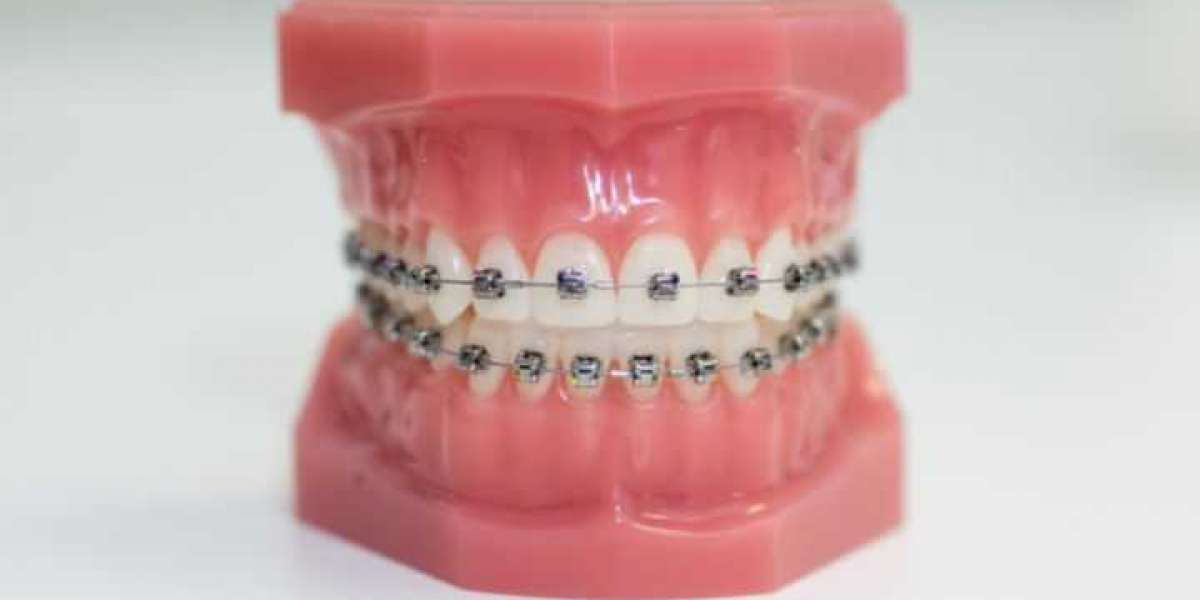

Braces are a common solution for achieving a straighter smile, but many Australians hesitate to start treatment due to one big question: how much does braces cost? While the price can vary widely depending on factors like the type of braces, complexity of the case, and the orthodontist’s experience, understanding the different phases of treatment can help make these costs more manageable. Breaking down treatment into clear stages not only gives you a roadmap of what to expect but also allows for smarter budgeting over time. In this article, we’ll explore the typical phases of braces treatment, explain how each phase can affect costs, and provide practical tips for managing your expenses. Whether you’re considering traditional metal braces, clear aligners, or ceramic options, knowing what goes into each stage can save both money and stress.
Why Braces Cost Can Feel Overwhelming
Before diving into treatment phases, it’s worth acknowledging why many Australians feel daunted by braces costs. On average, traditional metal braces can range from $4,000 to $8,000, while clear aligners or ceramic braces might push the price closer to $7,000–$10,000. Costs depend on:
- The complexity of your case (crowding, bite issues, jaw alignment)
- The type of braces used
- Duration of treatment
- Frequency of appointments
- Geographic location and orthodontist fees
Without a clear understanding of the process, patients can feel like they’re paying a lump sum without knowing what each dollar is going towards. This is where understanding treatment phases becomes invaluable.
Phase 1: Initial Consultation and Planning
The first step in any braces journey is the initial consultation. During this stage, your orthodontist will:
- Assess your teeth, bite, and jaw alignment
- Take X-rays, photos, and impressions
- Discuss treatment options and estimated timelines
From a cost perspective, this phase usually represents a smaller portion of the total expenditure—often a few hundred dollars for the consultation and diagnostic records. However, this phase is crucial for creating a personalised treatment plan and giving you a realistic idea of how much are braces likely to cost in your situation.
Tip: Some clinics offer free or low-cost consultations. Taking advantage of these can help you compare prices and plan financially.
Phase 2: Pre-Treatment Preparation
Once a treatment plan is in place, pre-treatment preparation begins. This phase may include:
- Extraction of teeth if necessary
- Cleaning and filling cavities
- Addressing gum issues
- Installing spacers to make room for braces
Costs during this stage can vary. Simple cleanings might be relatively inexpensive, but extractions or other procedures can add a few hundred dollars to your overall budget. By understanding this stage, you can anticipate additional expenses and schedule them over time rather than paying everything upfront.
Phase 3: Active Braces Treatment
The active phase is when the braces are applied, and teeth begin moving into their correct positions. This is typically the most expensive stage, as it covers:
- Fitting braces or aligners
- Regular adjustment appointments (usually every 4–8 weeks)
- Any emergency visits due to broken wires or brackets
Breaking down costs during this phase can make them more manageable. For instance:
- Traditional metal braces: $4,000–$7,000
- Ceramic braces: $6,000–$9,000
- Clear aligners: $7,000–$10,000
Many orthodontic clinics offer payment plans that divide the total cost across the duration of treatment. Understanding the active phase allows patients to plan monthly or fortnightly payments instead of confronting a large, upfront bill.
Phase 4: Retention Phase
Once the braces come off, the retention phase begins. Retainers are necessary to keep your teeth in their new positions. This phase might include:
- Fitting permanent or removable retainers
- Follow-up appointments to monitor teeth
- Replacement retainers if lost or damaged
While retention is often overlooked in cost planning, it can add a few hundred dollars to the total. Recognising this stage ensures you don’t underestimate the financial commitment of your braces journey.
Tips for Managing Braces Costs Effectively
Understanding the phases of treatment is only half the battle. Here are practical tips to make braces costs easier to manage:
1. Ask About Payment Plans
Many orthodontists provide flexible payment options, allowing you to spread costs over months or even years. This can prevent financial strain and make monthly payments more predictable.
2. Prioritise Preventive Care
Maintaining good oral hygiene can reduce the need for emergency repairs, which can be costly. Simple habits like brushing twice a day and avoiding hard or sticky foods can save money during the active phase.
3. Compare Options
Don’t assume one type of braces fits every budget. Metal braces are usually more affordable than ceramic or clear aligners, but if aesthetics are important, clear aligners may justify the extra cost.
4. Factor in Additional Costs
Remember to include pre-treatment work, emergency visits, and retainers in your budget. This holistic approach ensures you aren’t caught off guard.
5. Review Health Insurance
Some private health insurance policies offer orthodontic coverage, which can offset part of the total cost. Check your plan before starting treatment.
Why Understanding Treatment Phases Matters
Breaking down braces treatment into stages has several advantages:
- Financial clarity: Knowing which phases are most expensive allows you to budget effectively.
- Better planning: Scheduling treatments in stages can spread out costs.
- Reduced stress: Understanding the process eliminates surprises, making the journey smoother.
- Improved outcomes: Patients who know what to expect are more likely to comply with care instructions, leading to faster and more effective results.
Ultimately, knowledge is power. By mapping out the phases, you’re not just managing money—you’re taking control of your oral health journey.
Summary
Braces can be a significant investment, but understanding how much does braces cost at each stage of treatment can make it far more manageable. From the initial consultation and pre-treatment preparation to active treatment and retention, each phase comes with its own set of costs. Being aware of these phases allows you to budget effectively, explore payment plans, and avoid financial surprises. By combining careful planning with preventive care and a clear understanding of treatment phases, achieving a beautiful smile doesn’t have to be a financial headache. Whether you’re asking how much are braces or weighing different options, breaking down costs by treatment phase is the smartest strategy for both your teeth and your wallet.