Surgeons rely on precision tools to perform life-saving procedures every day. Among the vast array of surgical instruments available, hemostatic forceps play a critical role in controlling blood flow and clamping tissue. One of the most trusted names in this category is the rochester pean forcep, a staple in operating rooms worldwide. Understanding the design and utility of this instrument helps medical professionals maintain the highest standards of care.
Understanding Hemostatic Forceps
Hemostats are surgical tools used primarily to control bleeding by clamping and holding blood vessels so cauterization or ligation can be performed. They are essential for keeping the surgical field clear and preventing excessive blood loss. While many forceps look similar to the untrained eye, specific design features dictate their best use cases.
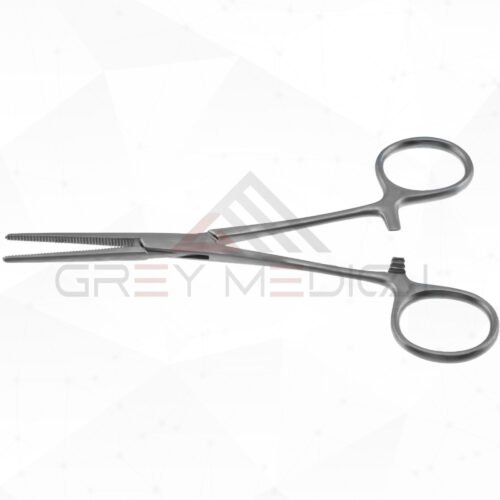
The rochester pean forcep is distinct because of its robust design. Unlike delicate mosquito forceps used for smaller vessels, these instruments are heavier and broader. They feature serrated jaws that provide a firm grip on heavier tissue and larger vessels. This makes them indispensable during major surgeries where secure clamping is non-negotiable.
Key Features and Applications
Surgeons choose their tools based on the specific demands of a procedure. The rochester pean forcep typically comes in both curved and straight variations. The curved version is excellent for clamping deeper tissues or navigating around anatomical structures, while the straight version offers direct access for clamping vessels near the surface.
These forceps generally feature full horizontal serrations along the jaw. This texture ensures that once the instrument is locked in place using the ratcheted finger rings, it will not slip. Slippage during a procedure can lead to complications, so the reliability of the grip is paramount. They are commonly used in general surgery, gynecological procedures, and orthopedics to clamp pedicles or grasp dense fascial planes.
Quality Manufacturing Matters
The effectiveness of any surgical tool depends heavily on the quality of its manufacturing. GreyMedical® understands this necessity deeply. As a privately owned medical technology company dedicated to innovation and excellence in the craft of surgical instruments, GreyMedical® ensures that every tool meets rigorous standards. When a surgeon reaches for a right angle forceps they need to trust the balance, the locking mechanism, and the durability of the steel.
High-quality stainless steel construction ensures the instrument resists corrosion and maintains its structural integrity through repeated sterilization cycles. Inferior metals can pit or rust, harboring bacteria and posing risks to patient safety. Investing in premium instruments from reputable manufacturers like GreyMedical® is an investment in patient outcomes.
Maintenance and Sterilization
To prolong the life of a rochester pean forcep, proper care is essential. After every use, the instrument should be inspected for debris in the serrations or stiffness in the hinge. Thorough cleaning followed by appropriate sterilization protocols ensures the tool remains safe and functional for years. Regular lubrication of the hinge mechanism also prevents the metal from seizing, ensuring smooth operation during critical moments in surgery.
Conclusion
The right tools empower surgeons to perform at their best. The rochester pean forcep remains a critical component of surgical trays due to its versatility and strength in managing larger vessels and tissues. By choosing high-quality instruments from dedicated innovators like GreyMedical®, healthcare facilities ensure their teams are equipped for success. Whether used in a routine procedure or a complex operation, the reliability of this forcep makes it an enduring favorite in the medical community.