
When dealing with missing teeth, most people find themselves comparing two of the most common solutions: dental implants and dentures. While both are designed to restore your smile and improve oral function, they differ significantly in terms of comfort, durability, maintenance, and long-term oral health impact. Choosing between these options is not just a clinical decision—it’s a lifestyle choice that can influence how you eat, speak, and feel every day.
A Quick Look at How Each Option Works:
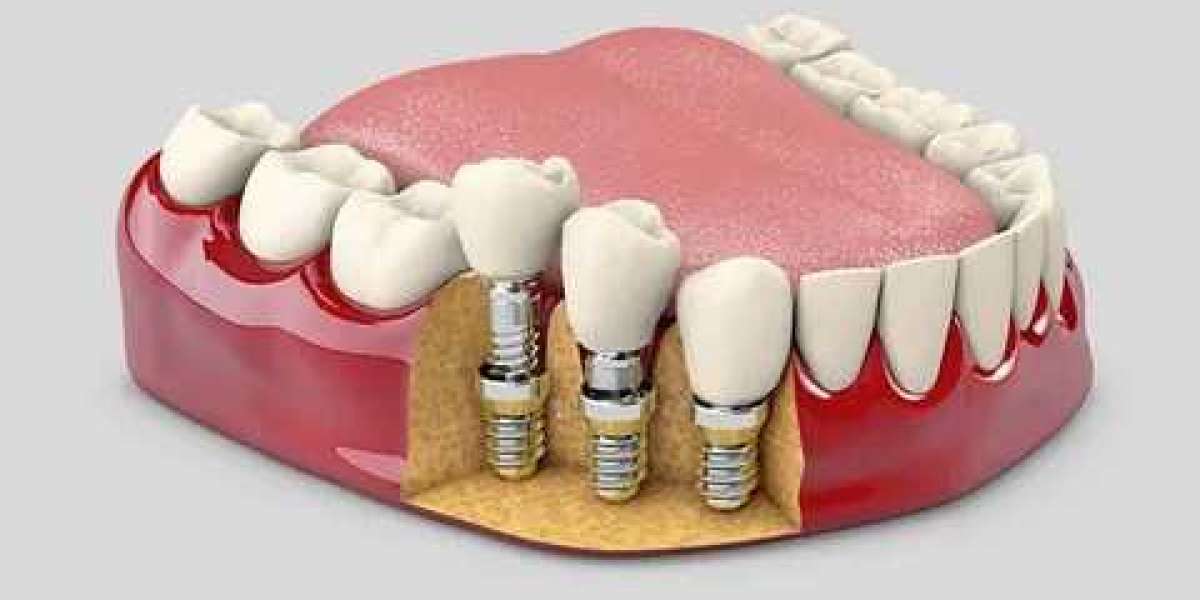
Dental Implants in Dubai are fixed tooth replacements that involve placing a titanium implant post into the jawbone. This post acts as an artificial tooth root, supporting a dental crown, bridge, or even full-mouth restoration. Over time, the implant integrates with the bone through osseointegration, creating a secure and permanent foundation.
Dentures, on the other hand, are removable prosthetic devices designed to replace missing teeth and surrounding tissues. They can be full dentures for complete tooth loss or partial dentures when some natural teeth remain. Dentures rest on the gums and are often supported by adhesives or clasps.
Stability and Comfort: A Major Difference in Daily Life
One of the biggest distinctions between dental implants and dentures lies in stability. Dental implants are anchored directly into the jawbone, which means they stay firmly in place. This allows for natural movement when chewing and speaking, closely mimicking real teeth.
Dentures, while functional, can sometimes shift or slip, especially during eating or talking. This can lead to discomfort or embarrassment for some users. Over time, adjustments may be needed as the shape of the gums and jaw changes, affecting how dentures fit.
Impact on Jawbone and Facial Structure:
A critical factor often overlooked is how each option affects the jawbone. Dental implants actively stimulate the bone, preventing bone loss and maintaining facial structure. This helps avoid the sunken appearance that can occur after prolonged tooth loss.
Dentures do not provide this stimulation. As a result, the jawbone may gradually deteriorate, which can change facial contours and require periodic denture adjustments. This difference makes implants a preferred choice for those concerned about long-term oral health and facial aesthetics.
Eating Experience and Dietary Flexibility:
The ability to enjoy food comfortably is a major consideration. Dental implants restore full chewing power, allowing you to eat a wide variety of foods, including tough or crunchy items. This contributes to better nutrition and overall well-being.
Dentures may limit certain food choices, especially hard or sticky foods that can dislodge them. While modern dentures have improved in design, they still cannot match the biting strength and stability of implant-supported teeth.
Maintenance and Daily Care Requirements:
Caring for dental implants is similar to maintaining natural teeth. Regular brushing, flossing, and dental checkups are sufficient to keep them in good condition. There is no need for special cleaning solutions or removal at night.
Dentures require a different routine. They must be removed daily for cleaning and soaking, and proper hygiene is essential to prevent gum irritation or infection. For some individuals, this extra maintenance can feel inconvenient over time.
Longevity and Long-Term Value:
Dental implants are designed to be a long-lasting solution. With proper care, they can last for decades, making them a durable and reliable option. Their integration with the jawbone adds to their strength and longevity.
Dentures typically need to be replaced or relined every few years due to wear and changes in the jaw structure. While they may seem like a quicker solution initially, their long-term maintenance and replacement needs can add up over time.
Aesthetic Results and Natural Appearance:
Both dental implants and dentures aim to restore your smile, but implants often provide a more natural appearance. Because they are anchored in the jaw, they replicate the look and feel of real teeth more closely. The dental crowns used in implants are custom-made to match surrounding teeth, enhancing overall aesthetics.
Dentures can also look natural, especially with modern advancements, but they may not offer the same level of realism. In some cases, the artificial base or slight movement can make them less lifelike.
Suitability and Candidacy Considerations:
Choosing between dental implants and dentures depends on individual factors. Dental implants require sufficient jawbone density and healthy gums. Some patients may need additional procedures like bone grafting before implant placement.
Dentures are generally more accessible for individuals who may not qualify for implant surgery due to medical conditions or insufficient bone structure. They provide a non-surgical alternative for tooth replacement.
Lifestyle and Confidence Factors:
Lifestyle plays a significant role in determining the best option. Dental implants offer a “set it and forget it” experience, allowing you to go about your daily activities without worrying about movement or removal. This often leads to increased confidence in social and professional settings.
Dentures, while effective, may require more awareness and adjustments throughout the day. Some users report feeling self-conscious about potential slipping or the need for adhesives.
Cost Perspective Without Numbers:
While dental implants are often considered a premium solution, their long-term durability and minimal maintenance needs can make them a valuable investment. Dentures, although initially more accessible, may involve ongoing costs related to replacements, adjustments, and care products.
Focusing on long-term benefits rather than short-term considerations can provide a clearer picture when making your decision.
Making the Right Choice for Your Oral Health:
The decision between Best Dental Implants and dentures ultimately depends on your oral health condition, lifestyle preferences, and long-term goals. If you are looking for a permanent, stable, and natural-feeling solution, dental implants often stand out as the superior option. However, dentures remain a practical choice for those seeking a non-surgical and flexible alternative.
Final Thoughts: Finding What Works Best for You
Both dental implants and dentures serve the important purpose of restoring missing teeth, but they offer very different experiences. Dental implants provide unmatched stability, jawbone preservation, and long-term benefits, while dentures offer accessibility and simplicity. By understanding these differences and consulting with a dental professional, you can choose the option that best supports your smile, comfort, and overall quality of life.








