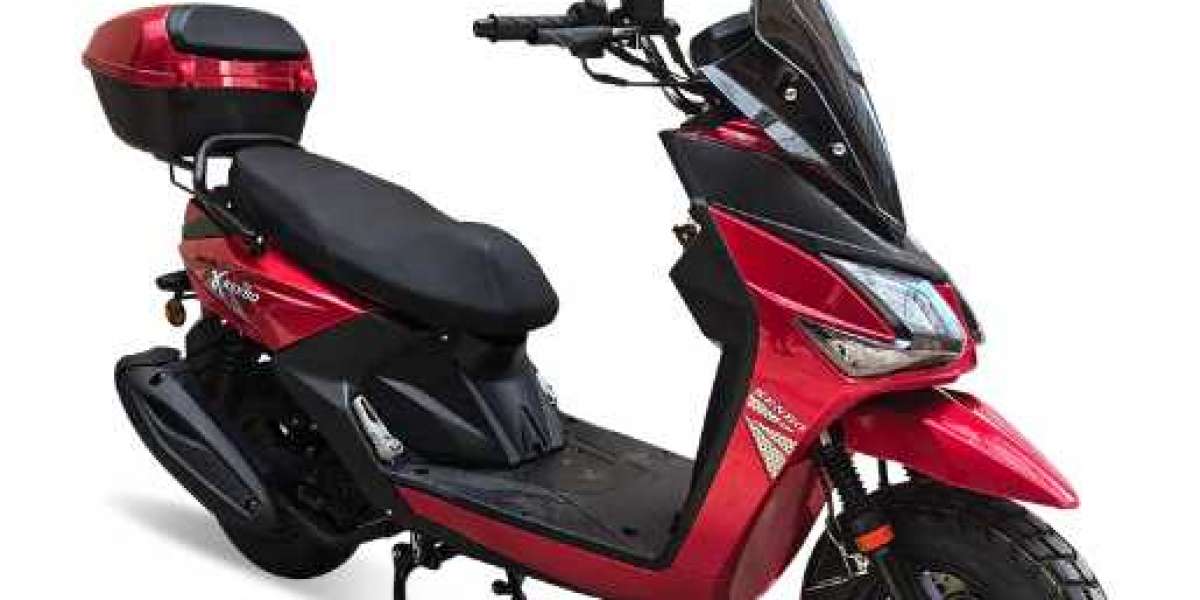

Scooters have become an essential mode of transportation in urban areas, providing convenience, efficiency, and flexibility for short-distance travel. A Scooter Manufacturer plays a critical role in designing, producing, and distributing these vehicles to meet the needs of daily commuters and recreational riders. By combining engineering, safety, and functionality, scooter manufacturers contribute to modern mobility solutions.
The design process of a Scooter Manufacturer focuses on producing scooters that balance performance, durability, and user comfort. Factors such as motor efficiency, frame strength, suspension systems, and braking mechanisms are carefully considered. This ensures that the scooters operate reliably across different terrains while maintaining safety and stability for riders.
Materials and construction techniques are key considerations for a Scooter Manufacturer. High-quality alloys, lightweight frames, and durable components help improve ride performance and extend the lifespan of the scooter. Electric scooters often include battery and motor systems that require precise assembly and testing to ensure consistent power output and reliable operation.
A Scooter Manufacturer also prioritizes safety features in their designs. Anti-lock braking systems, LED lighting, and non-slip decks contribute to rider protection. For electric models, thermal management systems and secure wiring harnesses reduce the risk of malfunctions. These features are critical to ensure safe operation in urban traffic or recreational environments.
Maintenance and service support are essential aspects provided by a Scooter Manufacturer. Regular inspections, replacement parts, and guidance on proper usage help maintain scooter performance over time. Many manufacturers offer customer support services to assist with troubleshooting and repair, making it easier for users to keep their scooters in good working condition.
The market for scooters is diverse, and a Scooter Manufacturer often produces models tailored for different segments. From lightweight commuter scooters to robust electric models for extended range, manufacturers offer options to meet specific customer requirements. This variety allows riders to select scooters suited to their needs, whether for daily commuting or casual leisure activities.
Environmental considerations are also a factor for a Scooter Manufacturer. Electric scooters, in particular, reduce emissions and noise pollution compared to traditional motor vehicles. By designing scooters with energy-efficient motors and recyclable components, manufacturers contribute to sustainability while providing practical transportation solutions.
Innovation and technology integration play a role in the products of a Scooter Manufacturer. Features such as smart connectivity, battery monitoring, GPS tracking, and app integration are increasingly common. These technologies improve user experience and provide convenient solutions for maintenance, security, and ride management.
Distribution and logistics are another focus for a Scooter Manufacturer. Ensuring timely delivery, packaging that protects components during shipping, and partnerships with retailers or e-commerce platforms make scooters accessible to a wide audience. Effective supply chain management supports customer satisfaction and helps maintain consistent product quality.
Overall, a Scooter Manufacturer combines engineering expertise, safety considerations, and market understanding to produce reliable and functional scooters. From design and material selection to maintenance support and technological integration, manufacturers provide solutions that meet the needs of urban commuters and recreational users alike. Proper attention to these aspects ensures that scooters remain a practical, efficient, and safe transportation option.