
Introduction
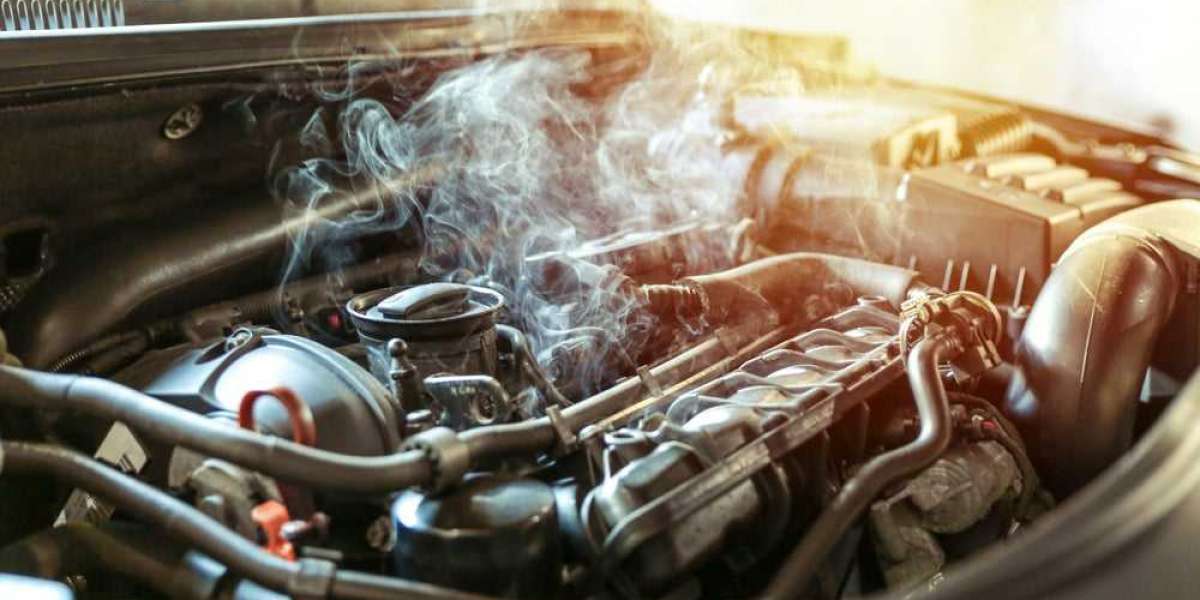
Engines are the driving force behind modern transportation, industrial machinery, and power generation systems. From automobiles and aircraft to heavy-duty equipment and generators, engines play a critical role in powering the world. However, with increasing demands for performance, fuel efficiency, and environmental responsibility, the need for advanced engine solutions has become more important than ever. Engine solutions refer to a wide range of technologies, services, and innovations designed to optimize engine performance, extend lifespan, and reduce environmental impact.
Understanding Engine Solutions
Engine solutions encompass everything from maintenance and repair services to advanced engineering innovations aimed at improving engine functionality. These solutions are designed to address common engine challenges such as wear and tear, fuel inefficiency, overheating, and emissions.
They can be broadly categorized into three main areas:
- Preventive maintenance solutions
- Performance enhancement solutions
- Environmental and efficiency solutions
Each category plays a vital role in ensuring that engines operate smoothly, efficiently, and sustainably.
Preventive Maintenance Solutions
Preventive maintenance is one of the most essential aspects of engine care. It involves regular inspection and servicing to avoid unexpected breakdowns and costly repairs.
Key Components of Preventive Maintenance
- Oil Changes
Engine oil lubricates moving parts, reduces friction, and prevents overheating. Regular oil changes ensure optimal engine performance. - Filter Replacement
Air and fuel filters prevent contaminants from entering the engine. Clean filters improve combustion efficiency and engine longevity. - Cooling System Checks
The cooling system prevents overheating. Regular checks of coolant levels and radiators help maintain engine temperature. - Spark Plug Inspection
Spark plugs ignite the air-fuel mixture in combustion engines. Worn-out plugs can reduce efficiency and performance.
Benefits of Preventive Maintenance
- Reduces the risk of sudden engine failure
- Enhances fuel efficiency
- Extends engine lifespan
- Lowers long-term repair costs
Performance Enhancement Solutions
Performance enhancement solutions focus on improving engine power, responsiveness, and overall efficiency. These solutions are particularly popular in automotive and industrial sectors where performance is a priority.
Common Performance Upgrades
- Engine Tuning
Engine tuning involves adjusting the engine control unit (ECU) to optimize fuel injection, ignition timing, and air intake. - Turbocharging and Supercharging
These technologies increase the amount of air entering the engine, allowing more fuel to be burned and generating greater power output. - High-Performance Exhaust Systems
Upgraded exhaust systems improve airflow, reduce back pressure, and enhance engine efficiency. - Fuel Injection Systems
Modern fuel injection systems provide precise fuel delivery, resulting in better combustion and improved performance.
Advantages of Performance Solutions
- Increased horsepower and torque
- Improved throttle response
- Better fuel economy in optimized setups
- Enhanced driving or operational experience
Environmental and Efficiency Solutions
With growing concerns about climate change and pollution, environmental engine solutions have gained significant attention. These solutions aim to reduce emissions and improve fuel efficiency.
Key Technologies
- Hybrid and Electric Systems
Hybrid engines combine traditional internal combustion engines with electric motors to reduce fuel consumption and emissions. - Emission Control Systems
Technologies such as catalytic converters and exhaust gas recirculation (EGR) systems help minimize harmful emissions. - Alternative Fuels
Biofuels, hydrogen, and compressed natural gas (CNG) offer cleaner alternatives to conventional fuels. - Start-Stop Technology
This system automatically shuts off the engine when the vehicle is idle and restarts it when needed, reducing fuel consumption.
Environmental Benefits
- Reduced greenhouse gas emissions
- Lower fuel consumption
- Compliance with environmental regulations
- Contribution to sustainable development
Advanced Diagnostic Solutions
Modern engines are equipped with complex electronic systems that require advanced diagnostic tools for accurate analysis. Diagnostic solutions use sensors and software to detect issues early and provide real-time data.
Features of Diagnostic Systems
- On-board diagnostics (OBD) for real-time monitoring
- Error code detection and analysis
- Performance tracking and reporting
- Predictive maintenance capabilities
Importance of Diagnostics
- Identifies problems before they become severe
- Saves time and repair costs
- Improves overall engine reliability
- Enhances safety
Industrial Engine Solutions
Engine solutions are not limited to vehicles; they are equally important in industrial applications. Heavy machinery, generators, and construction equipment rely on powerful engines that require specialized solutions.
Industrial Applications
- Power generation systems
- Manufacturing machinery
- Agricultural equipment
- Marine engines
Specialized Solutions
- Heavy-duty lubrication systems
- Cooling and ventilation enhancements
- Load management systems
- Remote monitoring technologies
These solutions ensure uninterrupted operation and maximum productivity in industrial environments.
Challenges in Engine Solutions
Despite significant advancements, engine solutions face several challenges:
- Rising Complexity
Modern engines are highly complex, requiring specialized knowledge and tools for maintenance and repair. - Cost of Advanced Technologies
High-performance and eco-friendly solutions can be expensive to implement. - Regulatory Compliance
Strict environmental regulations require continuous innovation and adaptation. - Fuel Quality Variations
Inconsistent fuel quality can affect engine performance and durability.
Addressing these challenges requires ongoing research, innovation, and skilled professionals.
Future Trends in Engine Solutions
The future of engine solutions is shaped by technological advancements and environmental concerns. Several trends are expected to dominate the industry:
1. Electrification
The shift toward electric vehicles (EVs) is reducing reliance on traditional combustion engines.
2. Artificial Intelligence (AI)
AI-powered systems can predict engine failures and optimize performance in real time.
3. Smart Engines
Integration of IoT (Internet of Things) allows engines to communicate data for better monitoring and control.
4. Sustainable Fuels
Research into hydrogen and synthetic fuels is paving the way for cleaner energy sources.
5. Lightweight Materials
Advanced materials improve efficiency by reducing engine weight without compromising strength.
Conclusion
Engine solutions are essential for maintaining, improving, and modernizing engines across various industries. From preventive maintenance and performance upgrades to environmentally friendly technologies, these solutions ensure that engines remain efficient, reliable, and sustainable.
As technology continues to evolve, engine solutions will become more advanced, integrating digital tools, artificial intelligence, and cleaner energy sources. Whether in transportation, industry, or power generation, investing in effective engine solutions is crucial for achieving optimal performance and meeting future demands.
For more information.