
Introduction
Choosing the right heating system is one of the most important decisions for any homeowner, especially when balancing energy efficiency, running costs, and long-term sustainability. In recent years, the electric combi boiler has become a strong alternative to traditional fuel-based systems, while LPG boilers continue to be widely used in homes without access to the gas grid. Understanding the differences between an electric combi boiler and an LPG boiler can help you make a smarter, future-ready choice for your home.
Both systems serve the same purpose—providing heating and hot water—but they operate in very different ways. As energy prices shift and environmental concerns grow, many homeowners are now comparing LPG systems with modern electric combination boilers to see which offers better value and efficiency.
What Is an Electric Combi Boiler?
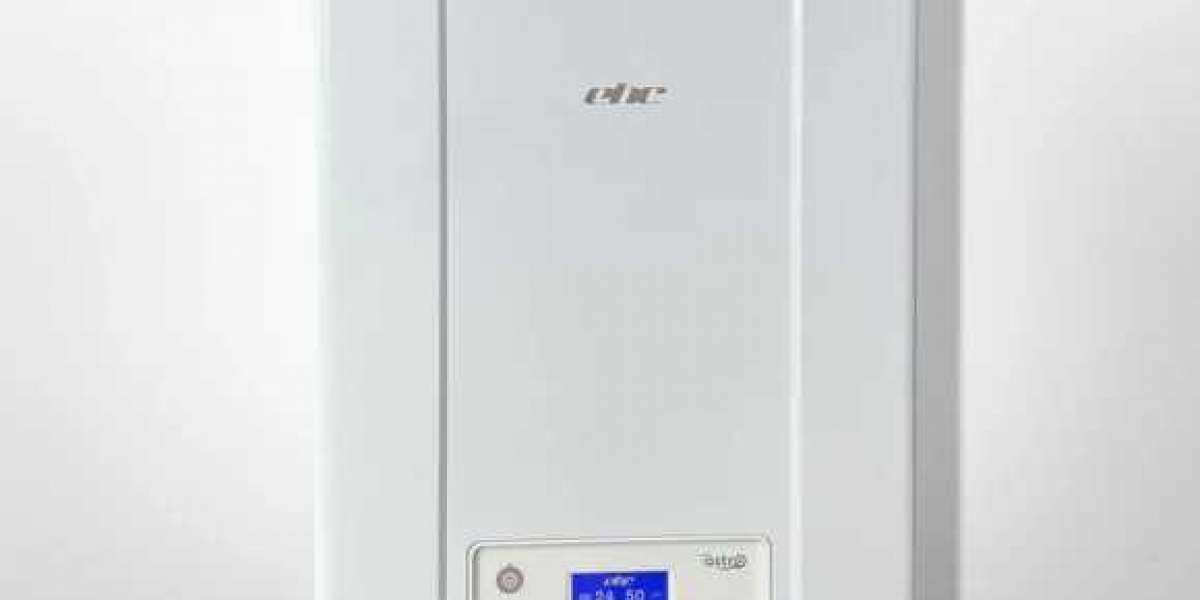
An electric combi boiler is a compact heating system that uses electricity instead of gas or oil to heat water on demand. Unlike traditional systems that store hot water in a cylinder, an electric combi boiler heats water instantly as it passes through the unit. This makes it highly efficient and space-saving, especially for smaller homes or apartments.
Modern electric combination boilers are designed with advanced controls, allowing precise temperature management and improved energy efficiency. Because they do not rely on combustion, they produce zero direct emissions at the point of use, making them a cleaner option compared to LPG systems.
Another key advantage of an electric combi boiler is its simplicity. With fewer moving parts and no need for fuel storage or flues, maintenance requirements are often lower. This makes electric combination boilers appealing to homeowners who want a low-maintenance and environmentally friendly heating solution.
What Is an LPG Boiler?
An LPG (liquefied petroleum gas) boiler works by burning gas stored in an external tank to generate heat. It is commonly used in rural or off-grid homes where mains gas is not available. LPG boilers are known for producing strong heating performance and can be more familiar to homeowners who are used to traditional gas systems.
However, unlike an electric combi boiler, an LPG boiler relies on fuel delivery and storage. This means homeowners must regularly refill their LPG tanks and manage fuel costs, which can fluctuate depending on the market. While LPG systems can still be efficient, they involve more logistical considerations compared to modern electric combination boilers.
Electric Combi Boiler vs LPG Boiler: Key Differences
When comparing an electric combi boiler with an LPG boiler, several important differences stand out. One of the biggest distinctions is energy source. Electric systems rely entirely on the electrical grid, while LPG boilers depend on stored fuel that must be delivered and refilled.
From an environmental perspective, electric combination boilers have a clear advantage because they produce no on-site emissions. LPG boilers, on the other hand, release carbon dioxide during combustion, which contributes to a larger carbon footprint.
Efficiency is another major factor. An electric combi boiler is nearly 100% efficient at the point of use, meaning almost all the electricity consumed is converted into heat. LPG boilers also offer good efficiency levels, but some energy is always lost through combustion and flue gases.
Installation and maintenance also differ significantly. Installing an electric combi boiler is usually simpler and less invasive, as there is no need for fuel tanks or complex ventilation systems. LPG boilers require more infrastructure, including safe storage tanks and regular fuel deliveries.
Cost Considerations and Running Expenses
One of the most important factors for homeowners is cost. At first glance, an LPG boiler may appear cheaper to run in some regions due to lower fuel prices compared to electricity. However, this can vary depending on market conditions and location.
An electric combi boiler typically has lower installation and maintenance costs, which can make it more affordable over time. Since electric combination boilers have fewer components and do not require fuel storage, there are fewer ongoing service expenses.
LPG boilers, while sometimes cheaper in terms of fuel per unit, can involve additional costs such as tank rental, fuel deliveries, and maintenance of combustion components. Over the long term, these costs can add up and reduce the initial savings.
Environmental Impact and Future Sustainability
Sustainability is becoming a major priority for homeowners, and this is where the electric combi boiler stands out. When powered by renewable electricity sources such as wind or solar, electric heating systems can operate with extremely low carbon emissions.
In contrast, LPG boilers rely on fossil fuels, which means they will always produce emissions during operation. While LPG is cleaner than some other fossil fuels like oil, it is still not a fully green solution.
As countries move toward net-zero targets, electric combination boilers are expected to play a bigger role in future heating systems. Many governments are already encouraging the shift toward electric heating as part of long-term climate strategies.
Which One Should You Choose?
Choosing between an electric combi boiler and an LPG boiler depends on your home setup, budget, and long-term priorities. If you live off-grid and already rely on LPG infrastructure, an LPG boiler may still be a practical choice in the short term.
However, if you are looking for a cleaner, simpler, and more future-proof option, electric combination boilers offer clear advantages. They are particularly suitable for smaller homes, apartments, and properties aiming to reduce their environmental impact.
For homeowners focused on long-term savings, reduced maintenance, and sustainability, the electric combi boiler is becoming an increasingly attractive solution. As electricity generation becomes greener, the benefits of switching to electric combination boilers will only continue to grow.
Conclusion
The comparison between an electric combi boiler and an LPG boiler highlights a clear shift in modern heating technology. While LPG systems remain useful in certain situations, the electric combi boiler offers a more efficient, low-maintenance, and environmentally friendly alternative.
With rising energy awareness and evolving regulations, electric combination boilers are quickly becoming a key choice for homeowners who want to future-proof their heating systems. Understanding these differences helps you make a confident decision that suits both your home and long-term energy goals.