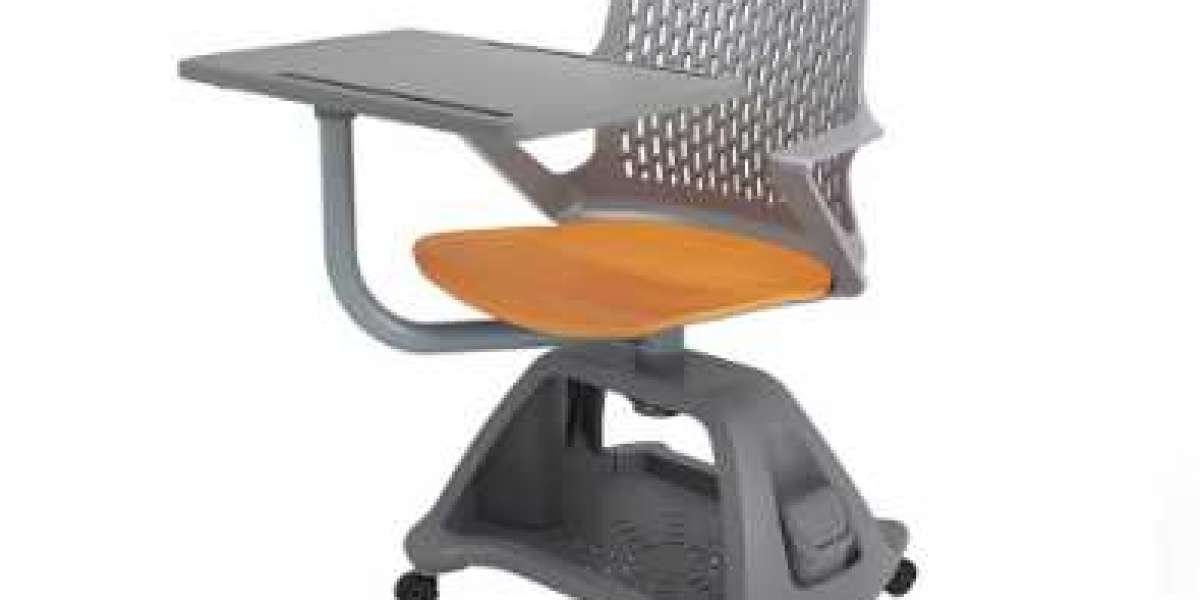

In today’s educational landscape, fostering collaboration among students has become a paramount focus for educators and institutions alike. Collaborative learning spaces are designed to encourage interaction, teamwork, and creative problem-solving. One of the key elements in achieving this environment is the choice of classroom furniture. By selecting the right classroom furniture, schools can transform traditional learning environments into dynamic spaces that promote engagement and collaboration.
The Importance of Flexible Classroom Furniture
Flexible classroom furniture is essential for creating collaborative learning spaces. Unlike traditional desks and chairs, which often confine students to a single position, flexible furniture allows for easy rearrangement. This adaptability enables teachers to modify the classroom layout for group activities, discussions, or individual work as needed. For instance, modular tables and movable chairs can be easily configured into various formations, allowing students to collaborate effectively in small groups or larger teams. This flexibility not only enhances student interaction but also supports diverse learning styles, making education more inclusive.
Enhancing Comfort and Engagement
Comfort is a critical factor in student engagement, and the right classroom furniture can significantly impact this aspect. Ergonomically designed chairs and adjustable desks cater to the diverse physical needs of students, promoting better posture and reducing fatigue during long hours of learning. When students are comfortable, they are more likely to participate actively in discussions and collaborative projects. Additionally, incorporating furniture with built-in technology, such as charging ports and integrated screens, further enhances the learning experience by facilitating seamless access to digital resources.
Creating an Inspiring Atmosphere
The aesthetic appeal of classroom furniture plays a vital role in setting the tone for a collaborative learning environment. Bright colors, modern designs, and innovative shapes can inspire creativity and make the classroom more inviting. When students feel energized by their surroundings, they are more likely to engage with their peers and the learning material. Furthermore, incorporating elements of nature, such as wooden furniture or greenery, can create a calming atmosphere that encourages collaboration and reduces stress.
Sustainability in Classroom Furniture Choices
As educational institutions increasingly prioritize sustainability, choosing eco-friendly classroom furniture is essential for creating collaborative learning spaces. Sustainable materials not only reduce the environmental impact but also teach students the importance of responsible consumption. Schools can opt for furniture made from recycled materials or sourced from sustainable forests, promoting a culture of environmental awareness among students. By integrating sustainability into their furniture choices, schools can foster a sense of responsibility and community among students, encouraging them to collaborate on projects that benefit the environment.
In conclusion, creating collaborative learning spaces with the right classroom furniture is essential for enhancing student engagement and interaction. Flexible, comfortable, aesthetically pleasing, and sustainable furniture choices can transform traditional classrooms into dynamic environments that foster collaboration and creativity. By investing in high-quality classroom furniture, educational institutions can significantly improve the learning experience and prepare students for a collaborative future.