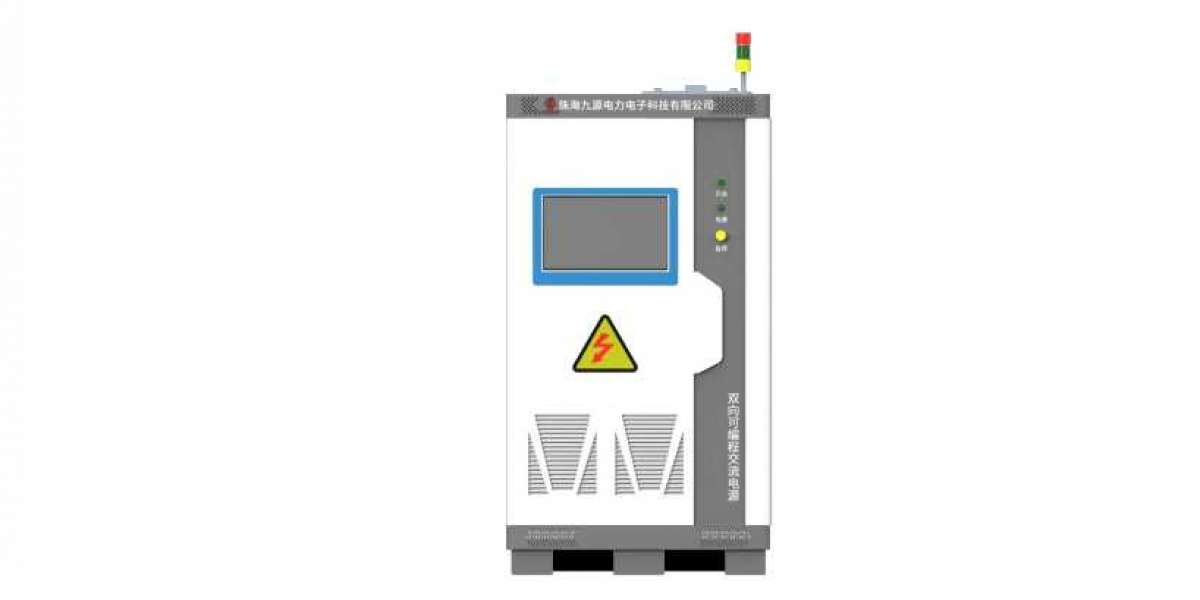

In an era of increasing energy demand and the urgent need for sustainable solutions, energy storage converters have emerged as a pivotal technology in enhancing grid integration. These innovative devices play a crucial role in bridging the gap between renewable energy sources and the traditional power grid, ensuring a more stable and efficient energy supply. This article explores how energy storage converters contribute to improved grid integration, their advantages, and their significance in the global energy landscape.
Enhancing Renewable Energy Utilization
Energy storage converters are essential for maximizing the use of renewable energy sources such as solar and wind. By converting and storing excess energy generated during peak production times, these converters enable a more balanced energy flow. This capability not only stabilizes the grid but also reduces reliance on fossil fuels, promoting a cleaner energy future. As renewable energy technologies continue to evolve, energy storage converters will become increasingly vital in managing the intermittent nature of these energy sources, ensuring that clean energy is available when needed.
Another significant advantage of energy storage converters is their ability to facilitate demand response strategies. By storing energy during periods of low demand and releasing it during peak usage times, these converters help flatten the demand curve. This functionality not only enhances grid stability but also lowers energy costs for consumers. As more businesses and households adopt energy storage solutions, the overall efficiency of the grid improves, enabling a smoother transition to a sustainable energy ecosystem.
Energy storage converters also play a critical role in enhancing grid resilience. In the face of natural disasters or unexpected outages, these devices can provide backup power, ensuring that essential services remain operational. This capability is particularly important for critical infrastructure such as hospitals and emergency services. By integrating energy storage converters into the grid, utility companies can enhance their ability to respond to emergencies, ultimately protecting communities and minimizing downtime.
Enabling Smart Grid Technologies
The integration of energy storage converters is a key component of smart grid technologies. These advanced systems utilize real-time data and analytics to optimize energy distribution and consumption. Energy storage converters can seamlessly interact with smart grid solutions, allowing for better load management and energy efficiency. As smart grids become more prevalent, the role of energy storage converters will expand, driving innovation and improving overall grid performance.
In conclusion, energy storage converters are essential for improving grid integration in today’s energy landscape. Their ability to enhance renewable energy utilization, facilitate demand response, support grid resilience, and enable smart grid technologies underscores their importance. As the world continues to shift towards sustainable energy solutions, investing in energy storage converters will be crucial for achieving a reliable, efficient, and environmentally friendly power grid.