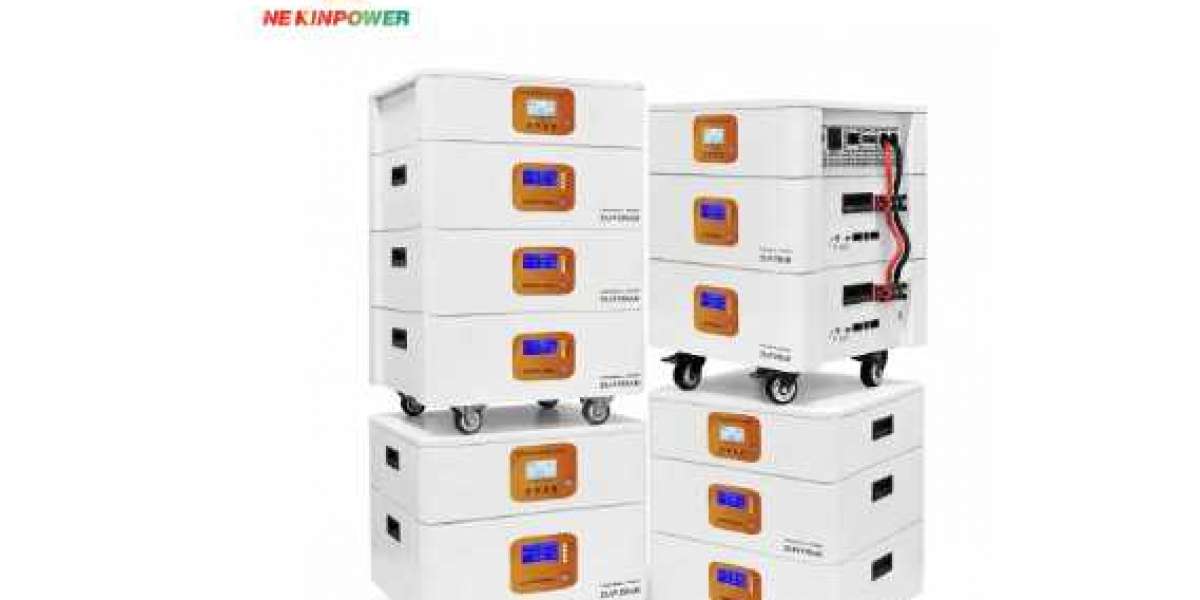

In an era where renewable energy is becoming increasingly vital, choosing the best solar energy system for your needs can be a transformative decision. Solar energy systems not only reduce your carbon footprint but also offer significant savings on energy bills. This guide will help you navigate the options available, ensuring you make an informed choice that aligns with your energy requirements and budget.
Understanding Your Energy Needs
Before diving into the various solar energy systems, it’s crucial to assess your energy consumption. Review your electricity bills from the past year to identify your average monthly usage. This will help you determine the size of the solar energy system you need. A larger system may be necessary for households with high energy demands, while smaller systems are more suited for those with minimal usage. Understanding your energy needs ensures that you select a solar energy system that efficiently meets your requirements.
There are primarily two types of solar energy systems: grid-tied and off-grid systems. Grid-tied systems are connected to the local utility grid, allowing you to draw power when your solar energy system isn’t producing enough energy, such as at night. This type is often more affordable and easier to install. On the other hand, off-grid systems operate independently of the grid, relying solely on solar power and battery storage. While these systems can be more expensive, they provide energy independence and are ideal for remote locations.
Evaluating Solar Panel Quality
When selecting a solar energy system, the quality of the solar panels is paramount. Look for panels with high efficiency ratings and durability. Renowned brands often provide warranties that reflect the longevity and reliability of their products. Additionally, consider the technology used in the panels, such as monocrystalline or polycrystalline, as this can affect both performance and cost. Investing in high-quality solar panels can significantly enhance the performance of your solar energy system.
Financial Incentives and Budgeting
The cost of a solar energy system can vary widely based on size, technology, and installation. However, many governments offer incentives to promote solar energy adoption, such as tax credits, rebates, and grants. Research available incentives in your area to help offset the initial costs. Additionally, create a budget that includes installation and maintenance costs. Understanding the financial aspects will ensure you choose a solar energy system that fits within your financial plan while maximizing savings over time.
Professional Installation and Support
Choosing a reputable installer is crucial for the success of your solar energy system. Look for companies with experience, positive customer reviews, and certifications. A professional installation ensures that your system operates efficiently and complies with local regulations. Furthermore, ongoing support and maintenance are vital for the longevity of your solar energy system. Opt for installers who offer comprehensive warranties and maintenance packages to safeguard your investment.
In conclusion, selecting the best solar energy system for your needs involves a thorough understanding of your energy consumption, the types of systems available, the quality of solar panels, financial considerations, and the choice of a professional installer. By taking these factors into account, you can make an informed decision that not only meets your energy needs but also contributes to a sustainable future.