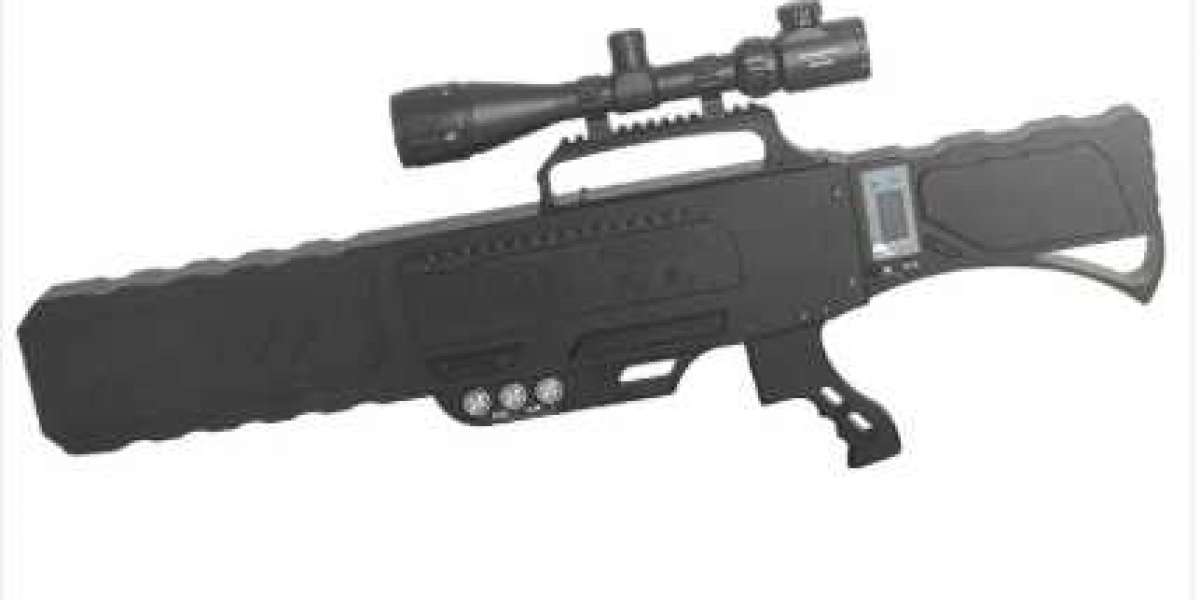

In an era where technology is advancing at an unprecedented pace, the emergence of anti-drone guns has sparked a significant debate regarding personal privacy and security. As drones become increasingly prevalent in both commercial and private sectors, the necessity for effective countermeasures has become paramount. Anti-drone guns offer a promising solution, but their implications on individual rights and safety warrant thorough examination.
Anti-drone guns are specialized devices designed to neutralize unauthorized drones by disrupting their communication links or taking control of them. These weapons utilize various technologies, such as radio frequency jamming and GPS spoofing, to effectively incapacitate drones that may pose threats to security or privacy. The rise in drone usage for surveillance and delivery services has prompted governments and private entities to invest in these technologies to safeguard sensitive areas, including military bases, airports, and public events.
Balancing Security and Privacy
While anti-drone guns enhance security measures, they also raise crucial questions about privacy. The ability to intercept and control drones can lead to unintended consequences, such as the potential for misuse by authorities or private individuals. For instance, the deployment of anti-drone guns in public spaces may lead to intrusive surveillance practices, infringing on the rights of individuals. Striking a balance between protecting public safety and preserving personal privacy is essential in the discussion surrounding the implementation of these devices.
Legislation plays a vital role in regulating the use of anti-drone guns. Clear guidelines must be established to ensure that these devices are used responsibly and ethically. Lawmakers are tasked with creating frameworks that protect citizens’ rights while allowing for necessary security measures. This includes defining the circumstances under which anti-drone guns can be deployed, ensuring accountability, and establishing penalties for misuse. Without proper regulation, the potential for abuse could lead to significant violations of personal privacy.
Technological Advancements and Future Implications
As technology continues to evolve, so too will the capabilities of anti-drone guns. Future advancements may lead to more sophisticated systems that can differentiate between benign and malicious drones, thus minimizing the risk of collateral damage. Furthermore, integrating artificial intelligence into these systems could enhance their effectiveness while addressing privacy concerns. However, the ethical implications of such advancements must be carefully considered to prevent overreach and maintain public trust.
The introduction of anti-drone guns presents both opportunities and challenges in the realms of personal privacy and security. While these devices can significantly enhance safety measures against potential threats, it is crucial to navigate the complex landscape of privacy rights. A balanced approach, underpinned by robust legislation and ethical considerations, is necessary to ensure that the deployment of anti-drone guns serves the greater good without compromising individual freedoms. As society grapples with these issues, ongoing dialogue and proactive measures will be essential in shaping a future where security and privacy coexist harmoniously.