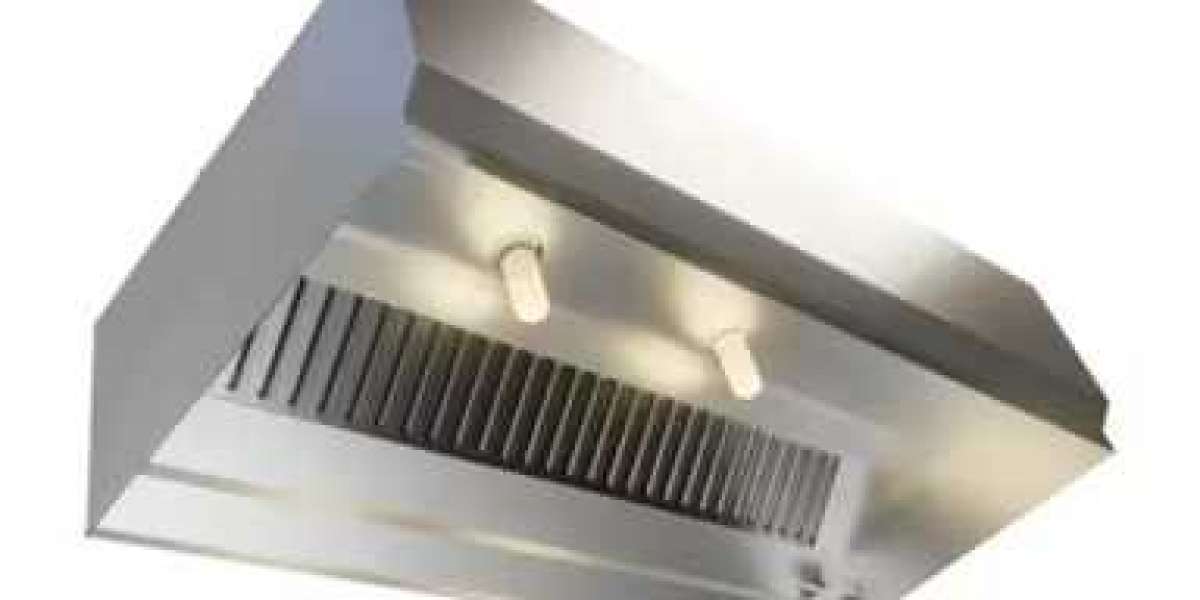

A commercial kitchen hood exhaust system is one of the most important investments for any restaurant, café, hotel, bakery, food truck, school cafeteria, or commercial kitchen. These systems are designed to remove grease, smoke, steam, heat, and cooking odors generated during food preparation, creating a cleaner, safer, and more comfortable workspace.
Whether you're designing a new commercial kitchen or upgrading an existing ventilation setup, choosing the right commercial kitchen hood exhaust system can improve air quality, protect employees, extend the life of kitchen equipment, and help meet health and fire safety regulations.
This guide explains everything you need to know about commercial kitchen hood exhaust systems, including their components, benefits, types, installation, maintenance, and buying considerations.
What Are Commercial Kitchen Hood Exhaust Systems?
Commercial kitchen hood exhaust systems are ventilation systems installed above commercial cooking equipment to capture and remove airborne grease, smoke, steam, heat, and odors. These systems direct contaminated air through grease filters, ductwork, and exhaust fans before safely releasing it outside the building.
Unlike residential range hoods, commercial hood exhaust systems are engineered to handle the demanding ventilation requirements of busy commercial kitchens operating for extended hours.
Why Are Commercial Kitchen Hood Exhaust Systems Important?
Every commercial kitchen generates airborne contaminants that can affect employee comfort, food quality, and safety. A properly designed commercial kitchen hood exhaust system helps solve these challenges.
Improves Air Quality
Efficient ventilation removes smoke, grease particles, and cooking fumes before they circulate throughout the kitchen.
Enhances Fire Safety
Grease-laden vapors can accumulate inside ducts and equipment. Proper exhaust systems reduce grease buildup, helping minimize fire hazards.
Creates a Comfortable Work Environment
By removing excess heat and humidity, ventilation systems keep kitchens cooler and more comfortable for staff.
Supports Regulatory Compliance
Most commercial kitchens are required to install ventilation systems that meet local building, mechanical, and fire codes.
Protects Kitchen Equipment
Removing grease and moisture helps reduce wear on nearby appliances and extends equipment lifespan.
Components of Commercial Kitchen Hood Exhaust Systems
A complete commercial kitchen hood exhaust system consists of several key components working together.
Exhaust Hood
The hood captures smoke, grease, heat, and vapors directly above cooking equipment.
Grease Filters
High-efficiency grease filters trap grease particles while allowing air to pass through the ventilation system.
Exhaust Fan
The exhaust fan pulls contaminated air through the hood and ductwork before releasing it outdoors.
Ductwork
Commercial-grade ductwork safely transports grease-laden air from the hood to the exhaust fan.
Make-Up Air System
As air is exhausted from the kitchen, a make-up air unit supplies fresh replacement air to maintain balanced airflow and prevent negative air pressure.
Types of Commercial Kitchen Hood Exhaust Systems
Choosing the correct commercial kitchen hood exhaust system depends on the type of cooking performed.
Type I Hood Exhaust Systems
Type I systems are designed for grease-producing cooking equipment, including:
- Deep fryers
- Charbroilers
- Griddles
- Gas ranges
- Woks
- Broilers
These systems include grease filters and are typically required for high-grease cooking applications.
Type II Hood Exhaust Systems
Type II systems are intended for equipment that produces heat, moisture, or steam without grease, such as:
- Dishwashers
- Steamers
- Pasta cookers
- Some ovens (where permitted)
Features to Look for in Commercial Hood Exhaust Systems
When evaluating commercial hood exhaust systems, consider these important features.
Stainless Steel Construction
Heavy-duty stainless steel provides excellent durability, corrosion resistance, and easy cleaning.
High-Efficiency Grease Filters
Efficient grease filters improve airflow while reducing grease accumulation inside ductwork.
LED Lighting
Integrated LED lighting improves visibility and consumes less energy than traditional fixtures.
Variable-Speed Fan Controls
Variable-speed fans adjust airflow based on kitchen demand, improving energy efficiency.
Fire Suppression Compatibility
Many commercial hood systems are designed to integrate with automatic fire suppression systems for enhanced safety.
Industries That Use Commercial Kitchen Hood Exhaust Systems
A commercial kitchen hood exhaust system is commonly installed in:
- Restaurants
- Hotels
- Cafés
- Bakeries
- Food courts
- Hospitals
- Schools and universities
- Catering facilities
- Food trucks
- Institutional kitchens
Each facility has unique ventilation needs based on cooking equipment and daily production volume.
Installation Considerations
Proper installation is critical for the performance of commercial kitchen hood exhaust systems.
Before installation, consider:
- Kitchen layout
- Cooking equipment location
- Hood size
- Airflow requirements (CFM)
- Duct routing
- Exhaust fan placement
- Make-up air requirements
- Local fire and building codes
Professional installation ensures safe operation and maximum ventilation efficiency.
Maintenance Tips
Routine maintenance keeps commercial kitchen hood exhaust systems operating safely and efficiently.
Recommended maintenance includes:
- Clean grease filters regularly.
- Inspect ductwork for grease buildup.
- Wipe hood surfaces daily.
- Check exhaust fan performance.
- Replace worn gaskets and filters when needed.
- Inspect make-up air systems.
- Schedule professional hood cleaning at recommended intervals.
Preventive maintenance reduces downtime, improves airflow, and extends equipment life.
Why Buy Commercial Kitchen Hood Exhaust Systems from The Horeca Store?
The Horeca Store offers high-quality commercial kitchen hood exhaust systems for restaurants, hotels, bakeries, cafés, schools, hospitals, and foodservice businesses.
Benefits include:
- Commercial-grade ventilation equipment
- Durable stainless steel construction
- Energy-efficient exhaust solutions
- Multiple sizes and configurations
- Competitive pricing
- Nationwide shipping
- Expert customer support
Whether you need a complete ventilation system or replacement components, The Horeca Store provides dependable solutions for commercial kitchens of every size.
Frequently Asked Questions
What is a commercial kitchen hood exhaust system?
A commercial kitchen hood exhaust system removes smoke, grease, heat, steam, and cooking odors from commercial kitchens using an exhaust hood, filters, ductwork, and exhaust fans.
What is the difference between Type I and Type II hood systems?
Type I systems are designed for grease-producing appliances, while Type II systems remove heat and steam from non-grease-producing equipment.
Why is make-up air important?
Make-up air replaces the air removed by the exhaust system, helping maintain balanced airflow and proper ventilation throughout the kitchen.
How often should hood exhaust systems be cleaned?
Cleaning frequency depends on kitchen usage, but high-volume restaurants often require professional cleaning every 3–6 months, along with routine filter maintenance.
Can commercial hood exhaust systems reduce energy costs?
Yes. Modern systems with variable-speed fans, efficient filters, and balanced airflow can improve ventilation efficiency and reduce energy consumption.
Conclusion
A commercial kitchen hood exhaust system is essential for maintaining a safe, efficient, and code-compliant commercial kitchen. By removing grease, smoke, heat, and cooking odors, these systems improve indoor air quality, protect employees, and enhance overall kitchen performance.
Investing in a high-quality commercial hood exhaust system from The Horeca Store ensures reliable ventilation, long-term durability, and dependable performance for restaurants and foodservice businesses.








