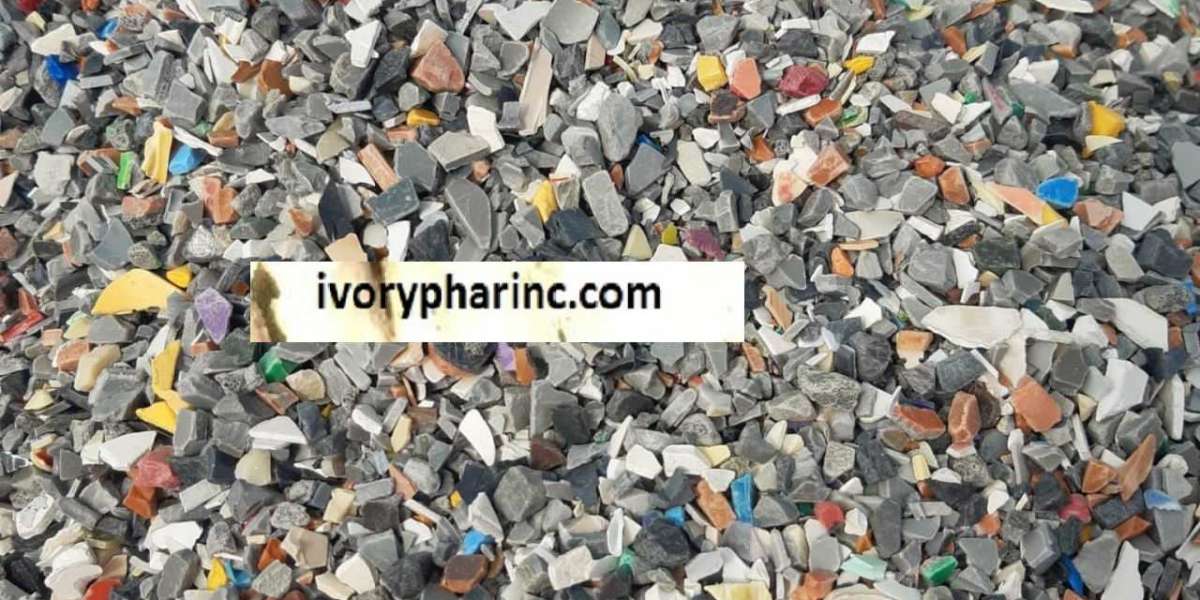

High-Density Polyethylene (HDPE) is one of the world's most widely used thermoplastics due to its exceptional strength, durability, and chemical resistance. As industries increasingly prioritize sustainability, HDPE plastic scrap has become one of the most valuable recyclable materials in the plastics industry. Through advanced recycling processes, discarded HDPE products are transformed into high-quality recycled materials that reduce waste while supporting a circular economy.
At Ivory Phar Inc., we specialize in supplying premium-quality HDPE regrind scrap, HDPE pipe regrind, HDPE PE 100 regrind scrap, HDPE pellets, and other recycled plastic materials to manufacturers worldwide. Our recycled HDPE products meet strict quality standards and are suitable for extrusion, injection molding, blow molding, and numerous industrial applications.
Whether you manufacture pipes, containers, automotive components, or construction materials, recycled HDPE provides a cost-effective and environmentally responsible alternative to virgin plastic.
What Is Recycled High-Density Polyethylene (rHDPE)?
Can HDPE be recycled? Absolutely.
Recycled High-Density Polyethylene (rHDPE), also known as recycled PEHD, is produced from post-consumer recycled (PCR) and post-industrial recycled (PIR) HDPE waste. Common sources include milk bottles, detergent containers, industrial drums, pallets, crates, HDPE pipes, bottle caps, and production offcuts.
Instead of ending up in landfills, these materials are collected, sorted, washed, shredded, and processed into valuable recycled products such as:
- HDPE regrinds scrap
- Recycled HDPE pellets
- HDPE flakes
- HDPE powder
- HDPE pipe regrind
- HDPE PE 100 regrind scrap
The recycling process significantly reduces plastic waste while conserving natural resources and lowering greenhouse gas emissions.
Today, recycled HDPE is widely used in packaging, construction, agriculture, automotive manufacturing, infrastructure, and consumer products because it retains many of the excellent properties of virgin HDPE.
What Is HDPE Regrinds Scrap?
HDPE regrinds scrap refers to clean, shredded HDPE plastic that has been mechanically ground into uniform flakes or chips. Unlike pellets, regrind has not yet been remelted during recycling, making it a cost-effective raw material for plastic manufacturers.
High-quality HDPE regrinds scrap is produced from:
- HDPE bottles
- Industrial drums
- HDPE pallets
- Crates
- Containers
- Injection molding runners
- Blow molding rejects
- HDPE pipes
- Production offcuts
Manufacturers prefer HDPE regrinds scrap because it offers excellent processing performance while reducing material costs compared to virgin resin.
What Is HDPE Pipe Regrind?
Among the highest-value recycled HDPE materials is HDPE pipe regrind.
This material is produced by recycling used or surplus HDPE pipes, pipe production waste, and manufacturing offcuts. Since HDPE pipes are engineered for demanding applications, their recycled material maintains excellent mechanical properties.
HDPE pipe regrind is widely used for manufacturing:
- Drainage pipes
- Irrigation systems
- Utility conduits
- Cable protection ducts
- Water pipelines
- Industrial tubing
- Extrusion profiles
Because the original pipes are manufactured from premium-grade HDPE resin, recycled pipe regrind often delivers outstanding consistency and processing performance.
What Is HDPE PE 100 Regrind Scrap?
HDPE PE 100 regrind scrap is one of the most sought-after grades of recycled HDPE available on the market.
PE100 is a premium pipe-grade polyethylene specifically engineered for high-pressure applications. It offers superior strength, excellent crack resistance, long service life, and outstanding resistance to chemicals and environmental stress.
Recycling PE100 pipe waste creates HDPE PE 100 regrind scrap, which is widely used in:
- Pipe extrusion
- Pressure pipe manufacturing
- Industrial fittings
- Infrastructure products
- Utility applications
- Water management systems
Because of its exceptional mechanical properties, HDPE PE100 regrind scrap commands higher value than many other recycled HDPE grades.
Key Properties of Recycled HDPE
Physical Properties
Recycled HDPE maintains many of the same physical characteristics as virgin HDPE.
Typical properties include:
- Density between 0.93–0.97 g/cm³
- Excellent impact resistance
- Outstanding abrasion resistance
- Low moisture absorption
- High durability
- Excellent dimensional stability
- Weather resistance
- UV resistance (with appropriate additives)
These characteristics make HDPE plastic scrap suitable for demanding industrial applications.
Mechanical Properties
The mechanical performance of recycled HDPE is one of its greatest advantages.
Key properties include:
- High tensile strength
- Excellent stiffness
- High flexural modulus
- Good elongation
- Excellent fatigue resistance
- Long service life
- Outstanding load-bearing capability
Because of these characteristics, HDPE pipe regrind is extensively used for manufacturing structural plastic products.
Chemical Resistance
One of HDPE's defining features is its outstanding chemical resistance.
Recycled HDPE resists:
- Acids
- Alkalis
- Alcohols
- Salts
- Cleaning chemicals
- Industrial solvents
- Moisture
- Corrosion
This makes HDPE regrinds scrap suitable for chemical containers, storage tanks, industrial drums, and piping systems.
Applications of HDPE Plastic Scrap
Recycled HDPE can be processed through:
- Injection molding
- Blow molding
- Extrusion
- Rotational molding
- Compression molding
Its versatility makes it one of the most widely recycled engineering plastics.
Packaging Industry
Packaging remains one of the largest consumers of recycled HDPE.
Common products include:
- Detergent bottles
- Shampoo bottles
- Motor oil containers
- Jerry cans
- Household chemical containers
- Caps and closures
- Plastic crates
- Logistics totes
- Recycling bins
- Industrial containers
Using recycled HDPE helps manufacturers reduce production costs while meeting sustainability goals.
Construction Industry
Construction companies rely heavily on HDPE pipe regrind and HDPE PE 100 regrind scrap for manufacturing durable infrastructure products.
Applications include:
- Water pipes
- Sewer pipes
- Drainage systems
- Electrical conduits
- Cable ducts
- Plastic lumber
- Composite decking
- Outdoor fencing
- Utility protection systems
- Geomembranes
- Geotextiles
The material's resistance to corrosion, chemicals, and weather makes it ideal for long-term outdoor use.
Automotive Industry
The automotive industry increasingly incorporates recycled HDPE into vehicle manufacturing.
Applications include:
- Fuel tanks
- Battery cases
- Splash shields
- Fender liners
- Wheel arch liners
- Interior trim
- Seat backs
- Fluid reservoirs
- Protective covers
By using HDPE plastic scrap, manufacturers reduce vehicle weight while improving sustainability.
Agriculture
Agriculture depends heavily on durable plastic products.
Recycled HDPE is used for:
- Irrigation pipes
- Drip tubing
- Agricultural containers
- Compost bins
- Livestock feeders
- Water tanks
- Mulch film supports
- Greenhouse components
Its moisture resistance and UV stability make it ideal for outdoor farming environments.
Consumer Products
Many everyday products are manufactured from recycled HDPE.
Examples include:
- Outdoor furniture
- Garbage bins
- Recycling containers
- Storage boxes
- Children's playground equipment
- Plastic pallets
- Toolboxes
- Household organizers
Industrial Applications
Industrial manufacturers use HDPE regrinds scrap to produce:
- Cable reels
- Industrial pallets
- Pipe fittings
- Chemical storage containers
- Machinery guards
- Protective barriers
- Utility boxes
- Plastic sheets
Environmental Benefits of Recycling HDPE
Recycling HDPE provides significant environmental advantages.
These include:
- Reduced landfill waste
- Lower greenhouse gas emissions
- Conservation of petroleum resources
- Reduced energy consumption
- Less ocean plastic pollution
- Lower carbon footprint
- Promotion of a circular economy
Every ton of HDPE plastic scrap recycled helps reduce the demand for virgin plastic production while conserving valuable natural resources.
Economic Benefits of HDPE Regrinds Scrap
For manufacturers, recycled HDPE offers substantial financial benefits.
Advantages include:
- Lower raw material costs
- Stable material supply
- Reduced manufacturing expenses
- Improved profit margins
- Greater sustainability credentials
- Compliance with environmental regulations
High-quality HDPE regrinds scrap often delivers excellent processing performance while significantly reducing production costs compared to virgin resin.
Performance Benefits
Modern recycling technologies ensure recycled HDPE performs exceptionally well.
Benefits include:
- Excellent extrusion performance
- Reliable molding characteristics
- Consistent material quality
- Strong mechanical properties
- High durability
- Excellent chemical resistance
- Moisture resistance
- Long product lifespan
This makes HDPE PE 100 regrind scrap an excellent choice for demanding industrial applications.
Why Choose Ivory Phar Inc. for HDPE Regrinds Scrap?
At Ivory Phar Inc., we are a trusted global supplier of premium HDPE regrinds scrap, HDPE plastic scrap, HDPE pipe regrind, and HDPE PE 100 regrind scrap. We source high-quality post-industrial and post-consumer HDPE materials from reliable recycling streams to ensure consistent quality for manufacturers around the world.
Our HDPE materials are carefully sorted, cleaned, and processed to meet the requirements of extrusion, injection molding, blow molding, and pipe manufacturing industries. We offer reliable packaging, competitive pricing, and worldwide shipping to customers across Asia, Europe, the Middle East, Africa, and the Americas.
Whether you require natural, mixed-color, black, or PE100-grade HDPE regrind, Ivory Phar Inc. is committed to supplying recycled materials that help reduce production costs while supporting your sustainability goals.
Conclusion
Recycled High-Density Polyethylene has become one of the most valuable materials in today's recycling industry. From HDPE regrinds scrap and HDPE plastic scrap to premium HDPE pipe regrind and HDPE PE 100 regrind scrap, recycled HDPE offers exceptional strength, durability, chemical resistance, and cost savings across countless industries.
As global demand for sustainable manufacturing continues to grow, recycled HDPE will play an increasingly important role in reducing plastic waste and conserving natural resources. Manufacturers that incorporate high-quality recycled HDPE into their production processes not only improve environmental performance but also gain a competitive advantage through lower material costs and enhanced sustainability credentials.
If you are looking for a reliable supplier of HDPE regrinds scrap, HDPE plastic scrap, HDPE pipe regrind, or HDPE PE 100 regrind scrap, Ivory Phar Inc. is your trusted partner. We are committed to providing premium recycled HDPE materials, dependable global supply, and exceptional customer service to help your business succeed while contributing to a more sustainable future.
Email: sales@ivorypharinc.com
#hdpeplasticscrap #hdpepiperegrinds #hdperegrindscrap #pe100regrind