
Hair dye is no longer used only to hide grey hair. Today, people colour their hair to refresh their appearance, experiment with new shades, enhance their natural tone or simply feel more confident. From classic black and brown to burgundy, copper and lighter shades, modern hair colour gives users plenty of choices.
However, selecting a hair dye should involve more than choosing an attractive shade. Your hair type, percentage of grey hair, scalp condition, previous colouring treatments and product ingredients can all influence the final result. Understanding how different hair dyes work can help you achieve more even colour while reducing unnecessary dryness or discomfort.
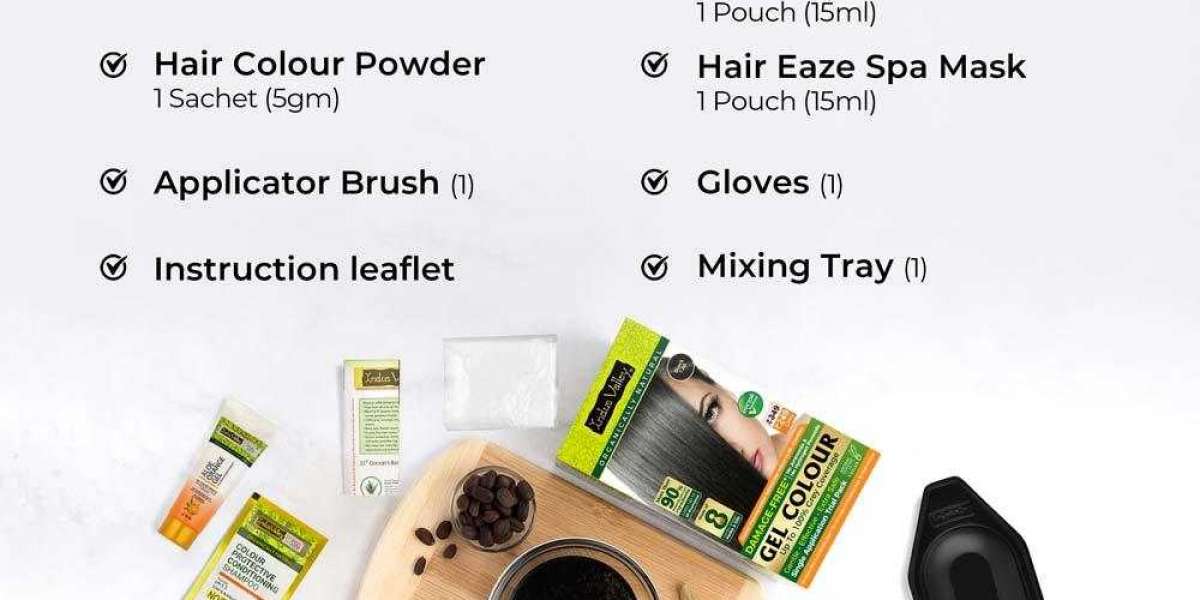
Brands such as Indus Valley offer different hair-colouring formats, including herbal powders and gel-based hair colours. Each option works differently, so the most suitable choice depends on the result you want and the routine you are comfortable following.
What Is Hair Dye?
Hair dye is a product that adds, changes or enhances colour in the hair. Some formulas temporarily coat the outside of the strands, while others deposit pigment more deeply to create longer-lasting results.
Hair dye may be used to:
Cover grey or white strands
Restore the appearance of naturally dark hair
Add warm, cool or vibrant tones
Blend uneven colour
Refresh faded hair colour
Create highlights or visible style changes
The way a dye behaves depends on its formulation. Temporary colours usually wash out quickly, while permanent and plant-based dyes may remain visible for much longer.
What Are the Different Types of Hair Dye?
Temporary Hair Dye
Temporary hair dye coats the outer surface of the hair without significantly changing its internal pigment. It usually lasts until the next wash or for a few shampoos.
Temporary colour is helpful when you want to test a new shade for an event or make a short-term change. However, it may not provide reliable coverage for resistant grey hair.
Semi-Permanent Hair Dye
Semi-permanent hair colour deposits pigment without permanently lifting the natural hair shade. It usually lasts through several washes and fades gradually.
This type of dye can add richness and shine, blend early greys and refresh faded colour. It may not completely cover a high percentage of coarse or resistant grey hair.
Permanent Hair Dye
Permanent hair dye is designed to create a long-lasting colour change. Conventional permanent formulas typically use a developer to open the cuticle and alter pigment inside the hair shaft.
Permanent colour is commonly chosen for stronger grey coverage and noticeable shade changes. Because it involves a more intensive colouring process, following the application instructions and aftercare routine is important.
Herbal Hair Dye
Herbal hair dye usually contains plant-based powders such as henna and indigo. Henna adds copper, reddish-brown or auburn tones, while indigo can help create deeper brown and black shades when used correctly.
Indus Valley offers herbal hair-colouring options for people who prefer a traditional plant-based process. These dyes generally add pigment rather than lighten the natural hair colour.
Gel Hair Colour
Gel-based hair dye spreads easily across the roots and lengths, helping users achieve even application. Some gel colours are enriched with botanical ingredients and are designed for convenient home use.
A gel format may be suitable for people who want quicker preparation than traditional herbal powders. However, the complete ingredient list should always be checked rather than relying only on terms such as “herbal” or “natural.”
How Does Hair Dye Work?
Hair dye works differently depending on its type.
Temporary and many semi-permanent dyes mainly deposit colour on or near the surface of the strand. Permanent colour works more deeply by allowing colour molecules to enter the hair shaft.
Pure henna and indigo behave differently from conventional dyes. Instead of bleaching the natural pigment, they bind to or coat the hair with botanical colour. This is why herbal hair dye cannot usually make naturally dark hair blonde or significantly lighter.
The original hair shade also affects the outcome. The same brown dye may appear subtle on black hair but much brighter on white or grey strands.
How to Choose the Right Hair Dye
Start by identifying your main goal. Do you want complete grey coverage, a slight colour refresh or a completely new shade?
For grey coverage, shades close to your natural hair colour generally create a balanced result. Black, dark brown and medium brown are often easier to maintain because new root growth creates less contrast than very different shades.
Next, consider your hair history. Bleached, highlighted, straightened or previously coloured hair may absorb pigment unevenly. Porous ends may become darker than the roots if the dye is applied in the same way across the entire head.
You should also read the complete ingredient list, usage directions and warning information. If you have a sensitive scalp or a history of allergies, consult a dermatologist before colouring your hair.
Can Hair Dye Cover Grey Hair?
Yes, many hair dyes are designed to cover grey hair, but results depend on the formula, shade and application method.
Grey hair may be more resistant because it can be coarse and have a different texture from pigmented strands. The temples, roots and front hairline often need careful product saturation.
When more than half of the hair is grey, choose a product that specifically mentions grey coverage rather than one designed only to blend greys. Natural shades usually offer more dependable-looking coverage than very light or fashion colours.
Herbal options can also colour grey hair. Pure henna may turn grey strands copper or reddish-brown, while henna followed by indigo can produce deeper brown or black tones.
How to Apply Hair Dye Correctly
Always read the instructions before mixing or applying the dye. Different products may require different ratios, processing times and preparation methods.
Divide the hair into manageable sections and apply the colour evenly. Begin with the areas that have the most resistant grey hair, such as the temples and roots. Ensure that each strand is properly covered rather than applying only a thin surface layer.
Do not exceed the recommended development time. Leaving hair dye on longer does not necessarily create better colour and may increase dryness or irritation.
Wear gloves, protect your clothes and clean accidental stains from the skin promptly. Avoid applying dye to an injured, itchy or irritated scalp.
Why Is a Patch Test Important?
A patch test helps identify a possible allergic reaction before the product is applied across the scalp. It should be performed according to the manufacturer’s instructions before every colouring session.
A product that caused no problem in the past may still trigger sensitivity later. Stop using the dye and seek medical advice if the test area develops significant itching, redness, swelling or blistering.
A patch test checks skin sensitivity, while a strand test helps predict the final colour. Both tests serve different purposes and are useful before full application.
How to Care for Coloured Hair
Hair colour can fade faster because of frequent washing, harsh shampoos, hot water, sun exposure and repeated heat styling.
Use a mild shampoo intended for colour-treated hair and avoid washing more often than necessary. Lukewarm water is generally better than very hot water because excessive heat may contribute to dryness and colour fading.
Condition the lengths regularly and minimise direct heat from straighteners or curling tools. When using heat styling, apply a suitable heat-protection product.
Protecting the hair from strong sunlight and chlorinated pool water can also help the colour look fresh for longer.
Is Indus Valley Hair Colour Suitable for Everyone?
Indus Valley provides multiple hair-colouring formats, including herbal powders and gel hair colours. This gives users the option to choose between a traditional colouring method and a more convenient ready-to-apply format.
However, no single hair dye is suitable for everyone. Results depend on natural hair colour, grey percentage, texture, porosity and previous treatments.
Review the formula, perform the recommended tests and follow the specific instructions provided with the chosen product.
Final Thoughts
Hair dye can effectively cover greys, enhance natural tones and help people experiment with their appearance. The key is to select the right type of colour instead of choosing only by shade or packaging.
Temporary and semi-permanent colours offer flexibility, permanent dyes provide longer wear, and herbal options such as henna and indigo offer a plant-based approach. Indus Valley offers choices across herbal and gel-based formats, allowing users to select according to their routine and desired result.
Whichever product you choose, safe application, realistic expectations and proper aftercare are essential for maintaining healthy-looking, evenly coloured hair.
Frequently Asked Questions
1. Which hair dye is best for grey hair?
A hair dye specifically formulated for grey coverage is usually the most suitable. Natural shades such as black, dark brown and medium brown generally provide more even-looking results on predominantly grey hair.
2. How long does hair dye last?
Longevity depends on the formula. Temporary dye may last one wash, semi-permanent colour can last several washes, and permanent or herbal colour may remain visible until it gradually fades or grows out.
3. Can hair dye damage hair?
Some colouring processes may contribute to dryness, especially when combined with bleaching, heat styling or frequent recolouring. Correct application and regular conditioning can help reduce these effects.
4. Can hair dye be applied to wet hair?
It depends on the product. Some dyes are intended for dry hair, while others may be used on damp hair. Follow the instructions provided with the specific formula.
5. Is herbal hair dye suitable for covering greys?
Yes, henna and indigo can colour grey hair. Henna usually creates copper or reddish tones, while a carefully followed henna-and-indigo process can produce brown or black-looking results.
6. How often can I colour my hair?
The ideal frequency depends on the dye type, hair condition and root growth. Many people refresh only the roots rather than recolouring the full lengths every time.
7. Should I wash my hair before applying dye?
Follow the product directions. Some formulas work best on freshly washed hair, while others are applied to dry, unwashed hair. Avoid applying colour over heavy oil or styling-product buildup unless instructed.
8. Is a patch test required every time?
Yes. A patch test should be performed before every full application because allergies and sensitivities can develop even after previous problem-free use.








