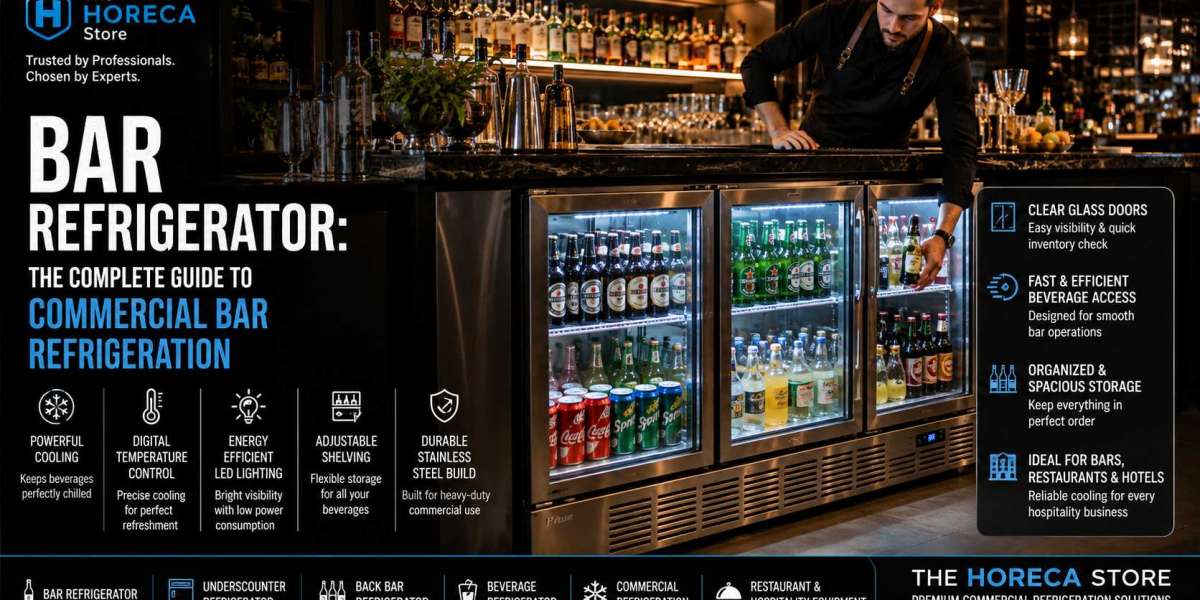

A reliable bar refrigerator is one of the most important pieces of equipment for a busy bar, restaurant, hotel, nightclub, café, brewery, or hospitality business. From keeping beverages cold and ready to serve to storing garnishes and other perishable ingredients, commercial bar refrigeration plays a critical role in maintaining service speed, product quality, and customer satisfaction.
Unlike residential refrigerators, commercial bar refrigerators are designed for frequent use, repeated door openings, high-volume storage, and demanding service environments. The right unit can help bartenders work more efficiently, keep beverages organized, maximize available space, and maintain consistent temperatures throughout busy operating hours.
For businesses looking to upgrade their beverage service or build a professional bar setup, understanding the different types, features, capacities, and maintenance requirements of a bar refrigerator is essential.
What Is a Bar Refrigerator?
A bar refrigerator is a commercial refrigeration unit specifically designed for bars and beverage service areas. These refrigerators provide convenient cold storage for bottled drinks, cans, mixers, garnishes, ingredients, and other products used during beverage preparation and service.
The Horeca Store commercial bar refrigerators are available in various configurations, including undercounter refrigerators, back-bar refrigerators, glass-door refrigerators, bottle coolers, and compact beverage refrigerators.
Their designs prioritize accessibility and efficiency. Bartenders need to retrieve products quickly, especially during busy periods, so commercial bar refrigeration systems are often designed to fit directly beneath counters or behind the service bar.
Why Is a Bar Refrigerator Important for Businesses?
Bars and restaurants depend on consistent refrigeration throughout the day. A well-designed bar refrigerator can improve workflow while helping businesses maintain proper storage conditions.
Keeps Beverages Ready to Serve
Cold beverages are one of the primary reasons businesses invest in commercial bar refrigeration. A dependable refrigerator keeps beer, soft drinks, juices, mixers, bottled water, and other beverages at appropriate serving temperatures.
Improves Bar Efficiency
When products are organized within easy reach, bartenders can prepare drinks faster. This is especially valuable during busy dinner services, weekends, parties, and special events.
Maximizes Limited Space
Commercial bars often have limited storage space. Undercounter and back-bar refrigerators make it possible to use available space efficiently without disrupting the workspace.
Supports Food Safety
Many bars also store fresh ingredients such as fruits, dairy products, syrups, sauces, herbs, and garnishes. Proper refrigeration helps preserve these products and maintain food safety.
Improves Product Organization
Adjustable shelving and dedicated storage areas allow bartenders to organize products according to frequency of use, beverage type, or service requirements.
Types of Bar Refrigerators
Different bar environments require different refrigeration solutions. Choosing the right type depends on available space, storage volume, product mix, and workflow.
Undercounter Bar Refrigerators
An undercounter bar refrigerator is designed to fit beneath a counter or work surface. This configuration is ideal for businesses that want cold storage without sacrificing valuable floor space.
Undercounter refrigerators are commonly used in:
Restaurants
Cocktail bars
Cafés
Hotels
Lounges
Nightclubs
They provide quick access to frequently used beverages and ingredients.
Back-Bar Refrigerators
Back-bar refrigerators are designed to sit behind the main bar area. Many models feature glass doors, allowing staff to see the contents quickly.
These refrigerators can store a large selection of beverages while creating an attractive display for customers.
Glass-Door Bar Refrigerators
Glass-door refrigerators combine refrigeration with product visibility. Bartenders can quickly identify products without repeatedly opening the doors.
Benefits include:
Better visibility
Faster product selection
Attractive presentation
Improved inventory management
Glass-door models are particularly useful for displaying bottled beverages and packaged drinks.
Bottle Coolers
Bottle coolers are designed specifically for beverage storage and are often used in high-volume bars.
They can provide large storage capacities while keeping beverages within easy reach. Some models are designed to fit beneath countertops for maximum space efficiency.
Back Bar Bottle Display Refrigerators
These units are ideal for businesses that want to showcase premium beverages while keeping them refrigerated.
The combination of visibility and accessibility can enhance beverage presentation and encourage sales.
Key Features to Look for in a Bar Refrigerator
Choosing a commercial bar refrigerator requires careful consideration of several important features.
Temperature Control
Consistent temperature control is essential for keeping beverages and ingredients properly chilled.
Look for refrigerators with digital temperature controls and easy-to-read displays. Precise controls allow operators to monitor and adjust the internal temperature when necessary.
Storage Capacity
The appropriate capacity depends on your business volume.
A small cocktail bar may only require a compact undercounter refrigerator, while a high-volume nightclub or hotel bar may need multiple large-capacity units.
Consider your:
Daily beverage volume
Number of customers
Product variety
Peak service periods
Available installation space
Adjustable Shelving
Adjustable shelves provide flexibility for storing bottles, cans, containers, and food ingredients of different sizes.
This feature also makes it easier to reorganize the refrigerator as inventory requirements change.
Stainless-Steel Construction
Commercial environments require durable equipment. Stainless-steel construction provides strength, corrosion resistance, and easy cleaning.
It also gives the bar a professional appearance that complements other commercial kitchen and beverage equipment.
Glass Doors
Glass doors improve visibility and help bartenders identify products quickly.
They can also create attractive beverage displays in customer-facing areas.
Energy Efficiency
A commercial refrigerator operates continuously, so energy efficiency should be a major consideration.
Features such as efficient compressors, improved insulation, LED lighting, and advanced temperature controls can help reduce electricity consumption and operating costs.
Self-Closing Doors
Self-closing doors help prevent accidental temperature loss when staff are working quickly.
They can also reduce energy consumption by ensuring the refrigerator remains closed when not actively being accessed.
Benefits of Investing in a Commercial Bar Refrigerator
A high-quality bar refrigerator offers several long-term advantages for foodservice and hospitality businesses.
Faster Beverage Service
When drinks and ingredients are stored close to the bartender, service becomes faster and more efficient.
Better Inventory Management
Organized refrigeration makes it easier to monitor stock levels and identify products that need to be reordered.
Reduced Product Waste
Proper temperature management helps protect perishable ingredients and reduces unnecessary spoilage.
Increased Workspace Efficiency
Undercounter refrigerators allow businesses to maximize the available bar area while keeping essential products within reach.
Professional Appearance
Modern commercial refrigeration equipment creates a clean, organized, and professional appearance that can improve the overall look of a bar or restaurant.
How to Choose the Right Bar Refrigerator
Selecting the right unit requires more than simply comparing prices. Businesses should evaluate their operational requirements before making a purchase.
Determine Your Available Space
Measure the installation area carefully before purchasing.
Consider:
Width
Height
Depth
Door clearance
Ventilation requirements
Access to electrical connections
Accurate measurements help prevent installation problems.
Calculate Storage Requirements
Estimate how many beverages and ingredients your business uses each day.
Think about your busiest service periods rather than average days. This helps ensure that the refrigerator has enough capacity when demand increases.
Consider Your Bar Layout
The refrigerator should fit naturally into the existing workflow.
Frequently used products should be placed closest to the bartender or preparation area. Less frequently used inventory can be stored farther away.
Think About Product Visibility
If the refrigerator is customer-facing, glass doors may provide an advantage. If the unit is primarily for staff use, solid doors may offer better insulation and durability depending on the application.
Evaluate Long-Term Operating Costs
Purchase price is only one part of the total cost of ownership. Energy consumption, maintenance, repairs, and expected lifespan should also be considered.
Bar Refrigerator Applications
Commercial bar refrigerators can be used in a wide variety of hospitality environments.
Restaurants
Restaurants use bar refrigeration for beverages, cocktail ingredients, garnishes, dairy products, and other perishable items.
Hotels
Hotels often require multiple refrigeration units for lobby bars, restaurants, banquet areas, and room-service operations.
Nightclubs
Nightclubs need high-capacity refrigeration that can handle heavy beverage demand during peak hours.
Cafés
Cafés use compact bar refrigerators to store milk, juices, bottled drinks, syrups, and fresh ingredients.
Breweries
Breweries and taprooms use commercial refrigeration to keep packaged beverages and other products chilled and ready for service.
Catering Businesses
Catering companies can benefit from compact commercial refrigeration systems for temporary beverage stations and event service.
Maintenance Tips for Bar Refrigerators
Regular maintenance is essential for maintaining refrigeration performance and extending equipment lifespan.
Clean the Interior
Remove spills, food particles, and beverage residue regularly. A clean refrigerator provides a more hygienic storage environment.
Clean Condenser Coils
Dust buildup around condenser coils can reduce cooling efficiency. Regular cleaning helps the refrigeration system operate effectively.
Check Door Gaskets
Inspect door seals for cracks, gaps, or damage. Worn gaskets can allow cold air to escape and increase energy consumption.
Monitor Temperature
Check the internal temperature regularly to ensure products are being stored under appropriate conditions.
Keep Shelves Organized
Avoid overcrowding the refrigerator. Proper spacing allows cold air to circulate throughout the cabinet.
Schedule Professional Maintenance
Routine professional inspections can identify potential mechanical problems before they result in major equipment failure.
Common Mistakes to Avoid
Businesses can improve the performance of their bar refrigerator by avoiding several common mistakes.
Buying Too Small
A refrigerator that is too small can create overcrowding and inventory management problems.
Ignoring Ventilation
Improper ventilation can reduce refrigeration performance and increase energy consumption.
Overloading the Refrigerator
Excessive inventory can restrict airflow and make it difficult to maintain consistent temperatures.
Neglecting Cleaning
Dirty interiors, shelves, and condenser components can negatively affect hygiene and performance.
Choosing Only Based on Price
The lowest-priced unit may not provide the durability, efficiency, or capacity required for commercial use.
Why Choose The Horeca Store for Bar Refrigeration?
Choosing the right commercial refrigeration supplier can make a significant difference in the long-term performance of your equipment. The Horeca Store provides professional refrigeration solutions designed for restaurants, bars, hotels, cafés, and other foodservice businesses.
The selection of bar refrigerator solutions is designed to support different storage requirements, from compact undercounter units to larger beverage refrigeration systems. Businesses can choose equipment based on available space, storage capacity, product type, and operational demands.
With a focus on commercial-grade equipment and professional foodservice solutions, The Horeca Store helps businesses create efficient, organized, and reliable beverage service areas.
Conclusion
A bar refrigerator is an essential component of an efficient commercial bar or beverage service operation. The right refrigeration system keeps drinks and ingredients properly chilled, improves workflow, maximizes available space, and supports consistent product quality.
Whether you operate a restaurant, hotel, nightclub, café, brewery, or catering business, choosing the right commercial bar refrigeration can have a direct impact on daily productivity and customer satisfaction.
Before purchasing, consider storage capacity, available space, temperature control, energy efficiency, construction quality, shelving, door configuration, and maintenance requirements. A properly selected and maintained bar refrigerator can provide reliable performance for years while helping your business deliver faster and more professional service.
For businesses looking for dependable commercial refrigeration equipment, The Horeca Store offers professional solutions designed to meet the demanding requirements of modern hospitality and foodservice operations. With the right bar refrigerator, businesses can keep beverages cold, ingredients fresh, workspaces organized, and customers satisfied.








