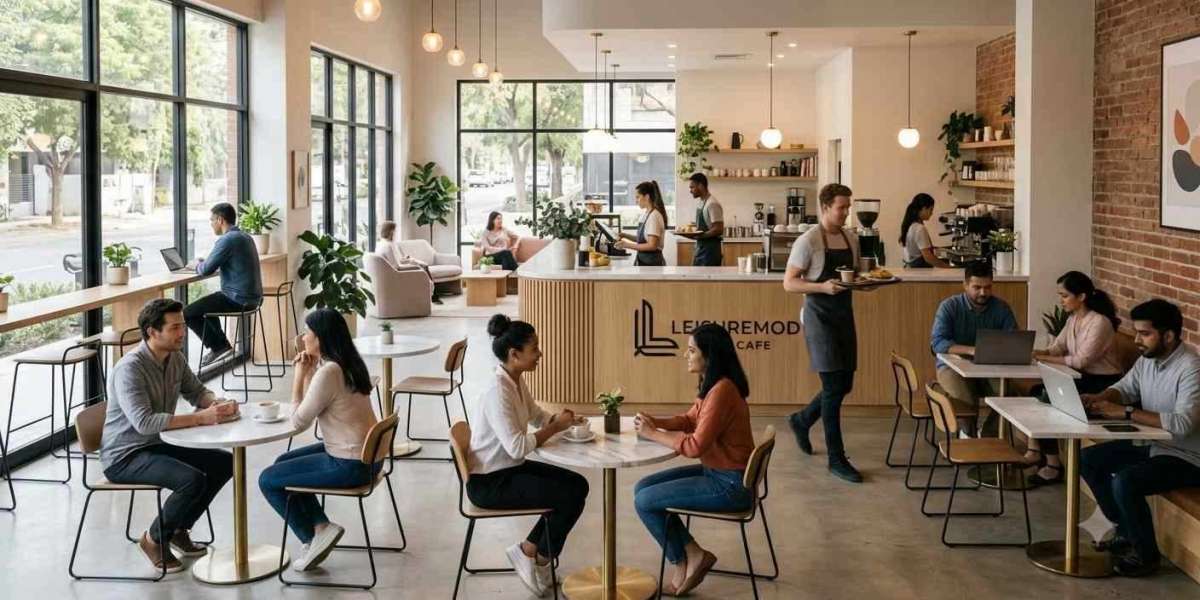

Running a successful coffee shop or casual eatery comes down to far more than roasting exceptional beans or baking fresh pastries.
In today’s hyper-competitive hospitality market, customers do not merely pay for coffee—they pay for atmosphere, comfort, and the feeling of belonging. Whether an individual stops by for a fifteen-minute espresso run, an entrepreneur sets up a mobile workstation for three hours, or friends meet for a weekend brunch, your interior layout dictates how long they stay and how much they spend.
Yet, one of the most common mistakes new cafe owners make is overcrowding the floor plan with bulky furniture that disrupts walking paths and makes patrons feel crammed together. Creating an inviting dining environment requires balancing space efficiency with customer comfort.
1. Maximize Floor Space with Proportional Tables
The footprint of your tables determines both operational workflow and customer peace of mind.
Oversized rectangular dining tables look grand, but they often lead to "dead seats"—instances where a single remote worker occupies a four-person table, preventing a larger group from sitting down.
Instead, modular two-seater setups offer the ultimate flexibility. Investing in compact, high-durability cafe tables allows managers to easily push two or three units together during busy peak rushes to accommodate larger gatherings, and effortlessly separate them back into solo work-friendly nooks during quiet afternoons. Slender pedestal-base designs also maximize legroom, preventing knees and chair legs from bumping into bulky wooden corner posts.
2. Establish Distinct Seating Zones
A great cafe caters to different types of patrons without forcing their vibes to clash. Divide your floor plan into three clear functional zones:
The Quick-Turnover Zone: Position small round bistro tables and stools right near the order counter and front windows. This area naturally draws takeaway customers and people popping in for a fast ten-minute drink.
The Deep-Work Zone: Set square pedestal tables along walls with accessible power outlets and subtle ambient lighting for freelancers and students.
The Social Lounge: Group low cocktail tables with soft accent armchairs toward the back, creating an intimate corner for relaxed conversations.
3. Choose Materials Built for High Turnover
Commercial cafe surfaces endure rigorous daily wear: scalding mugs, abrasive spills, acidic coffee drips, and frequent sanitizing sprays. Flimsy residential tables quickly show water rings, chipping edges, and wobbly joints.
Prioritize commercial-grade materials that require minimal maintenance:
Table Tops: High-pressure laminate, sealed solid marble, or water-resistant treated hardwoods that wipe down clean in seconds.
Bases: Cast iron or heavy powder-coated steel pedestal bases. A solid, weighted base prevents tipping and stops the annoying wobble that ruins a customer's laptop session or spills a latte.
4. Protect Walking Corridors
Customer comfort drops sharply when chairs continuously bump into passing servers and foot traffic.
Always maintain a minimum clearance of 36 inches between occupied table edges and main walkways. This gives baristas carrying hot drinks plenty of room to pass safely, keeps the cafe ADA-compliant, and prevents patrons from feeling rushed or exposed.
The Bottom Line
Atmosphere is the unspoken currency of the cafe industry. By anchoring your dining floor with versatile, durable tables and an intuitive layout, you turn first-time visitors into loyal daily regulars.








