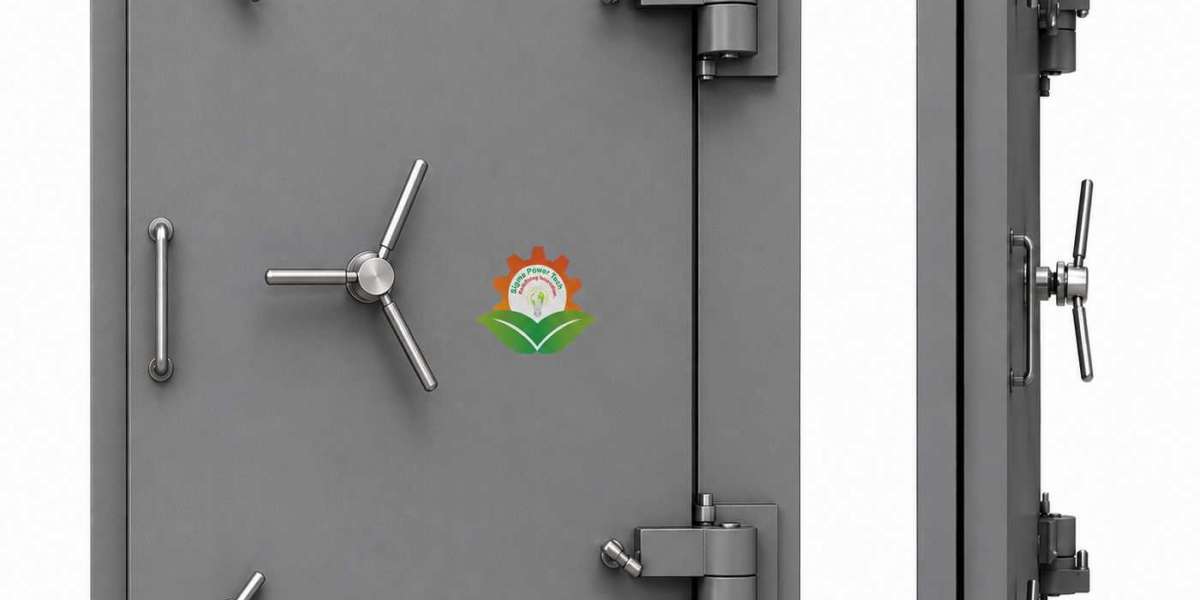

A Blast proof door is one of the most critical structural safety components used in defence installations, embassies, government buildings, oil gas facilities, power plants, and other high-risk infrastructure. Its ability to resist explosive pressure depends on every stage of manufacturing, from engineering calculations and material selection to welding, testing, finishing, and final installation. Understanding how these specialised doors are manufactured helps buyers appreciate why certified engineering is far more important than appearance alone.
What is a Blast Proof Door and How Is It Engineered?
A blast proof door is a specially engineered protective barrier designed to withstand explosive pressure waves while maintaining structural integrity. Unlike conventional industrial security doors, it functions as part of an integrated blast protection system consisting of the reinforced door leaf, structural frame, heavy-duty hinges, locking systems, anchor assemblies, seals, and surrounding reinforced wall.
Every blast door design begins with a project-specific engineering assessment. Structural engineers evaluate expected blast pressure, impulse, stand-off distance, occupancy, building construction, environmental exposure, and operational requirements before finalising the design.
Rather than preventing deformation entirely, the door is engineered to absorb and distribute blast energy in a controlled manner while protecting occupants and critical infrastructure.
Manufacturing Process and Blast Pressure Certification
Manufacturing begins only after engineering calculations determine the required blast rating.
The production process generally includes:
- Engineering design validation
- CNC cutting of steel plates
- Fabrication of internal reinforcement
- Precision welding
- Frame manufacturing
- Installation of hinges and locking mechanisms
- Surface preparation
- Corrosion-resistant coating
- Assembly and dimensional inspection
- Functional testing
Certified blast resistant doors also undergo structural analysis and performance testing to evaluate:
- Peak reflected pressure
- Blast impulse resistance
- Permanent deformation
- Frame integrity
- Hinge performance
- Locking mechanism reliability
- Operational functionality following blast exposure
Compliance with recognised IS/BIS requirements and internationally accepted blast engineering standards ensures the finished product performs according to its intended design.
Structural Performance Under Explosive Pressure Waves
The manufacturing process directly influences how a blast-resistant door performs during an explosion.
Reinforced steel plates, internal stiffeners, structural ribs, heavy-duty hinges, and multi-point locking systems work together to resist high-pressure shock waves. During an explosion, these components distribute blast forces throughout the structural assembly instead of concentrating stress in one location.
Properly manufactured blast resistant door systems help reduce structural damage, improve occupant safety, and maintain protected spaces after blast loading.
Frame Fabrication and Structural Integration
The structural frame is just as important as the door itself.
Manufacturing includes precision fabrication of reinforced frames designed to transfer blast loads into surrounding reinforced concrete or structural steel. High-capacity anchors, accurately machined connection points, and quality-controlled welds ensure proper structural integration.
Incorrect frame fabrication or poor installation can significantly reduce the effectiveness of even a certified blast-resistant door.
Fire Resistance and Multi-Hazard Protection
Modern manufacturing also considers hazards beyond explosions.
Many explosion proof doors are manufactured with additional protective capabilities, including:
- Fire-resistant construction
- Smoke containment
- Corrosion-resistant coatings
- Airtight sealing
- Forced-entry resistance
- Weather-resistant finishes
These integrated features improve operational reliability while reducing long-term maintenance requirements.
Automation and Access Control Integration
Manufacturing today extends beyond structural fabrication.
Modern blast-resistant doors can be prepared for integration with:
- Biometric authentication systems
- RFID access control
- Building Management Systems (BMS)
- Fire alarm systems
- Remote monitoring
- Emergency lockdown controls
- Automated opening mechanisms
Engineering provisions for these systems are incorporated during manufacturing to ensure reliable performance without affecting structural strength.
Quality Control and Maintenance Requirements
Quality assurance continues beyond production.
Manufacturers inspect weld quality, dimensional accuracy, frame alignment, locking systems, seals, hinges, coatings, and operational performance before dispatch.
After installation, regular maintenance should include inspections of hinges, locking mechanisms, corrosion protection, seals, structural anchors, and automation systems. Preventive maintenance helps preserve the certified performance of the door throughout its service life.
Key Features of a Professionally Manufactured Blast Proof Door
A high-quality blast-resistant system should include:
- Reinforced structural steel construction
- Certified blast pressure rating
- Corrosion-resistant coating
- Fire-resistant capability
- Airtight sealing
- Security-grade locking systems
- Heavy-duty hinges
- Long operational lifespan
- Low maintenance requirements
- Compliance with recognised certification standards
Each feature contributes to dependable long-term performance in high-risk environments.
Applications Across Critical Infrastructure
Professionally manufactured blast-resistant doors are widely used in:
- Defence and military installations
- Government and administrative buildings
- Embassies and consulates
- Oil gas and petrochemical facilities
- Power generation plants
- Data centres
- Ammunition depots
- Industrial process units handling hazardous materials
Each application requires manufacturing based on project-specific engineering requirements rather than standard door specifications.
Cost and Investment Factors
The overall blast door price depends on multiple engineering and manufacturing variables, including:
- Required blast rating
- Door dimensions and configuration
- Steel grade and plate thickness
- Frame and anchoring design
- Testing and certification costs
- Automation and locking systems
- Installation complexity
- Site-specific structural assessment
- Long-term maintenance planning
Although advanced manufacturing processes increase initial costs, they significantly improve durability, reliability, and lifecycle value.
Buyer's Guide
When evaluating Blast proof door manufacturers in India, buyers should prioritise engineering expertise and manufacturing quality over purchase price alone.
Key evaluation criteria include:
- Industry experience
- Blast engineering capability
- Compliance with IS/BIS and recognised international blast standards
- Testing and certification credentials
- Customisation capability
- Precision manufacturing processes
- Technical support
- Professional installation expertise
- After-sales maintenance services
- Proven project performance
A trusted Sigma Power Tech manufacturer and service provider delivers complete engineering, precision manufacturing, installation, testing, and lifecycle maintenance. Every Sigma Power Tech blast door is manufactured according to project-specific blast assessments to provide reliable protection across defence, government, industrial, and critical infrastructure projects.
Common Mistakes to Avoid
Organisations should avoid several common procurement mistakes:
- Choosing products based only on price
- Ignoring site-specific blast pressure assessments
- Incorrect frame and wall integration
- Underestimating fire or corrosion exposure
- Skipping certification verification
- Neglecting maintenance planning
- Overlooking future automation and security upgrades
Addressing these issues during procurement significantly improves long-term structural performance.
Conclusion
A Blast proof door is manufactured through a carefully controlled process that combines structural engineering, precision fabrication, certified testing, and rigorous quality assurance. Every stage—from engineering calculations and material selection to welding, finishing, installation, and maintenance—plays a vital role in determining how the door performs during an explosive event. Rather than selecting a solution based solely on blast door price, organisations should prioritise certified engineering, manufacturing precision, recognised compliance, and long-term reliability. Investing in professionally manufactured blast resistant door systems ensures dependable protection for defence, government, and industrial facilities where structural safety and operational continuity are critical.