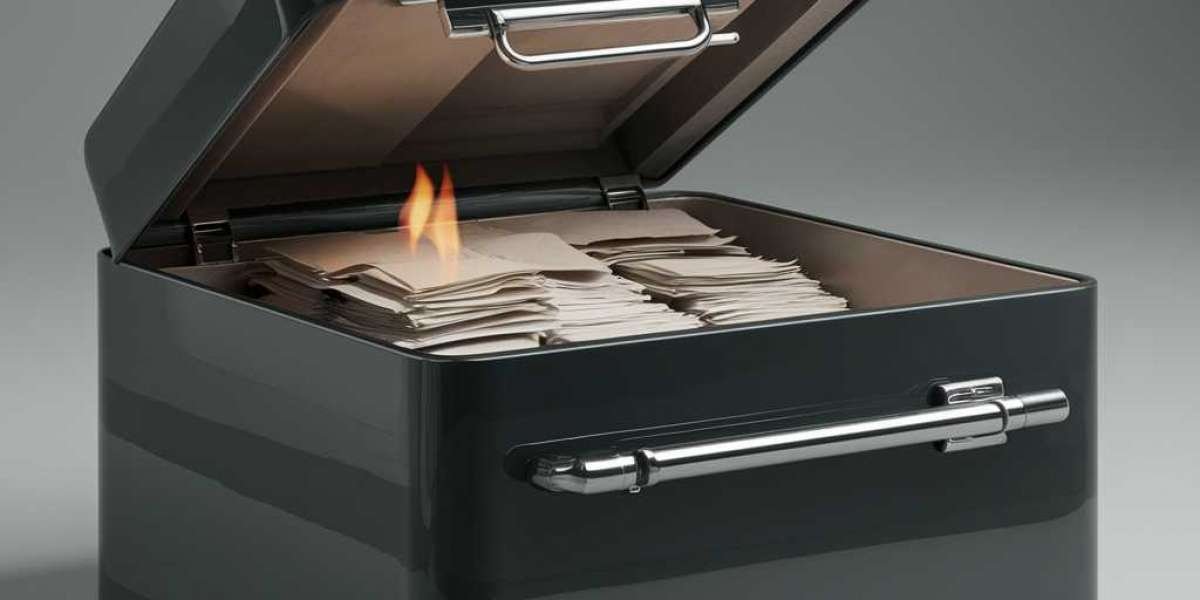

Fireproof safes are essential tools for safeguarding important documents, valuables, and other items in the event of a fire. While they are designed to resist high temperatures and protect their contents, many people misunderstand their capabilities and limitations. This often leads to unrealistic expectations and, in some cases, unfortunate losses. If you're considering investing in a fireproof safe or already own one, it’s crucial to understand what these safes can and cannot protect.
Understanding the Purpose of Fireproof Safes
The primary goal of a fireproof safe is to protect its contents from extreme heat and fire damage for a specific period. The level of protection varies depending on the safe's fire-resistance rating, which indicates how long it can withstand high temperatures before the interior becomes unsafe for its contents. Common ratings include 30 minutes, 1 hour, or even 2 hours of fire resistance. However, it’s important to note that no safe is entirely fireproof in the absolute sense—most are fire-resistant, meaning they can only protect items within certain parameters.
Fireproof safes achieve their heat resistance through materials such as fire-retardant concrete, insulation, or specialised composite materials. These materials help maintain a lower internal temperature compared to the external environment. For example, a high-quality safe may keep the interior below 177°C (350°F), the threshold at which paper begins to char, even if the external fire reaches temperatures of over 1,000°C (1,832°F).
However, fireproof safes are not designed to prevent damage from all types of hazards. Their performance depends on various factors, including the type of materials inside, the safe's construction, and the specific conditions of the fire.
What Fireproof Safes Can Protect
Fireproof safes are excellent for storing certain items that can withstand limited exposure to heat. These include:
- Paper Documents:
Documents such as passports, birth certificates, legal contracts, and insurance policies are among the most common items stored in fireproof safes. High-quality safes with sufficient fire ratings can protect paper items from being destroyed during a typical house or office fire. - Photographs:
Printed photographs are vulnerable to heat and flame, but fireproof safes can offer adequate protection. However, if the photos are irreplaceable, you may want to consider additional measures like digital backups. - Small Valuables:
Jewellery, coins, and collectibles made of metals or stones can usually withstand moderate heat for a limited time. Fireproof safes offer good protection for these items, although excessive heat can sometimes affect delicate settings or adhesives. - Some Digital Media:
Specialised fireproof safes designed for digital media can protect CDs, DVDs, and USB drives. These safes are engineered to keep the internal temperature below 65°C (150°F) and maintain low humidity levels, as digital media is more sensitive to heat and moisture compared to paper.
Limitations of Fireproof Safes
While fireproof safes are effective for specific uses, they have notable limitations. Failing to understand these limitations can result in costly mistakes.
- Inadequate Protection for Prolonged Fires:
Most fireproof safes are rated for a limited duration, such as 30 minutes to 2 hours. If a fire burns for a longer period or reaches temperatures higher than the safe's rating, the internal temperature may rise, leading to damage or destruction of the contents. Prolonged fires or those with direct, concentrated flames on the safe can compromise its effectiveness. - Vulnerability to High Humidity Inside the Safe:
During a fire, fireproof safes often release moisture from their insulation materials to prevent the interior from overheating. While this protects the contents from burning, it can create high humidity levels inside the safe. Items like photographs, currency, and electronic media may suffer damage from moisture even if they survive the heat. - Limited Resistance to Water Damage:
Many fireproof safes are not waterproof. In cases where firefighting efforts involve water or sprinklers, the contents of the safe could become soaked or damaged by prolonged exposure to moisture. For added protection against water, look for safes that are specifically rated as water-resistant or waterproof. - Poor Protection for Certain Electronic Devices:
While some fireproof safes are designed for digital media, most standard models are not suitable for delicate electronics like laptops, hard drives, or cameras. These items are highly sensitive to heat, humidity, and smoke, and standard fireproof safes may not maintain the low temperatures and humidity levels necessary to protect them. - Susceptibility to Theft or Physical Damage:
Fireproof safes are not necessarily burglar-proof. Many fireproof models focus solely on heat resistance and may lack robust locking mechanisms or thick steel walls to prevent break-ins. Thieves can often compromise fireproof safes using tools like crowbars or power drills. For added security, consider a fireproof safe with both fire and burglary ratings. - Damage to Contents from Chemical Reactions:
Certain materials stored in a fireproof safe may react to prolonged heat exposure even if they don’t ignite. For example, wax-based items, adhesives, and delicate fabrics can deteriorate or melt in high-temperature conditions. Similarly, some metals may discolour or deform if subjected to extended heat exposure. - No Guarantee Against Extreme Fire Scenarios:
In extreme cases, such as prolonged industrial fires or explosions, the safe itself may not survive. If the external temperature far exceeds the safe’s fire rating or the structure collapses onto the safe, the contents could be irreparably damaged.
How to Maximise Protection
To get the most out of your fireproof safe, consider these practical steps:
- Choose the Right Fire Rating: Select a safe with a fire rating that matches your risk level. For home use, a 1-hour fire rating may suffice, but for high-risk areas or valuable items, opt for a 2-hour rating or higher.
- Consider a Dual-Rated Safe: Look for safes that combine fire and burglary protection to safeguard your valuables from both threats.
- Store Items in Protective Containers: Use airtight, waterproof containers or specialised pouches inside the safe to protect items from moisture and humidity.
- Place the Safe Strategically: Install the safe in a location less likely to experience prolonged fire exposure, such as a lower floor or a fire-resistant room. Avoid placing it near flammable materials.
- Back Up Important Data: Store digital backups of critical documents and media in a secure cloud storage service or a separate off-site location.
Conclusion
While fireproof safes are invaluable for protecting documents and valuables from fire damage, they are not without limitations. Understanding their capabilities and shortcomings is essential for making informed decisions about what to store and how to use them effectively. By choosing the right type of safe, taking precautions against moisture and theft, and supplementing protection with backups, you can ensure the safety of your most important belongings, even in the face of a disaster.








