

Unlock the Secret to Choosing the Perfect LED Lighting Transformer for Your Home!
Choosing the right LED lighting transformer is crucial for elevating your home lighting solutions. With the rapid advancement in lighting technologies, the market has seen a surge in durable low voltage LED lighting transformers that promise energy efficiency and longevity. These transformers not only ensure optimal performance but also contribute to reducing energy costs in the long run. Picture this: you’ve just installed a beautiful set of low voltage LED lights, but without the right transformer, you might find yourself dealing with flickering lights or even more serious electrical issues. This article will guide you through the essential aspects of selecting the perfect transformer, comparing various options, and understanding the technicalities involved, so you can illuminate your space with confidence.
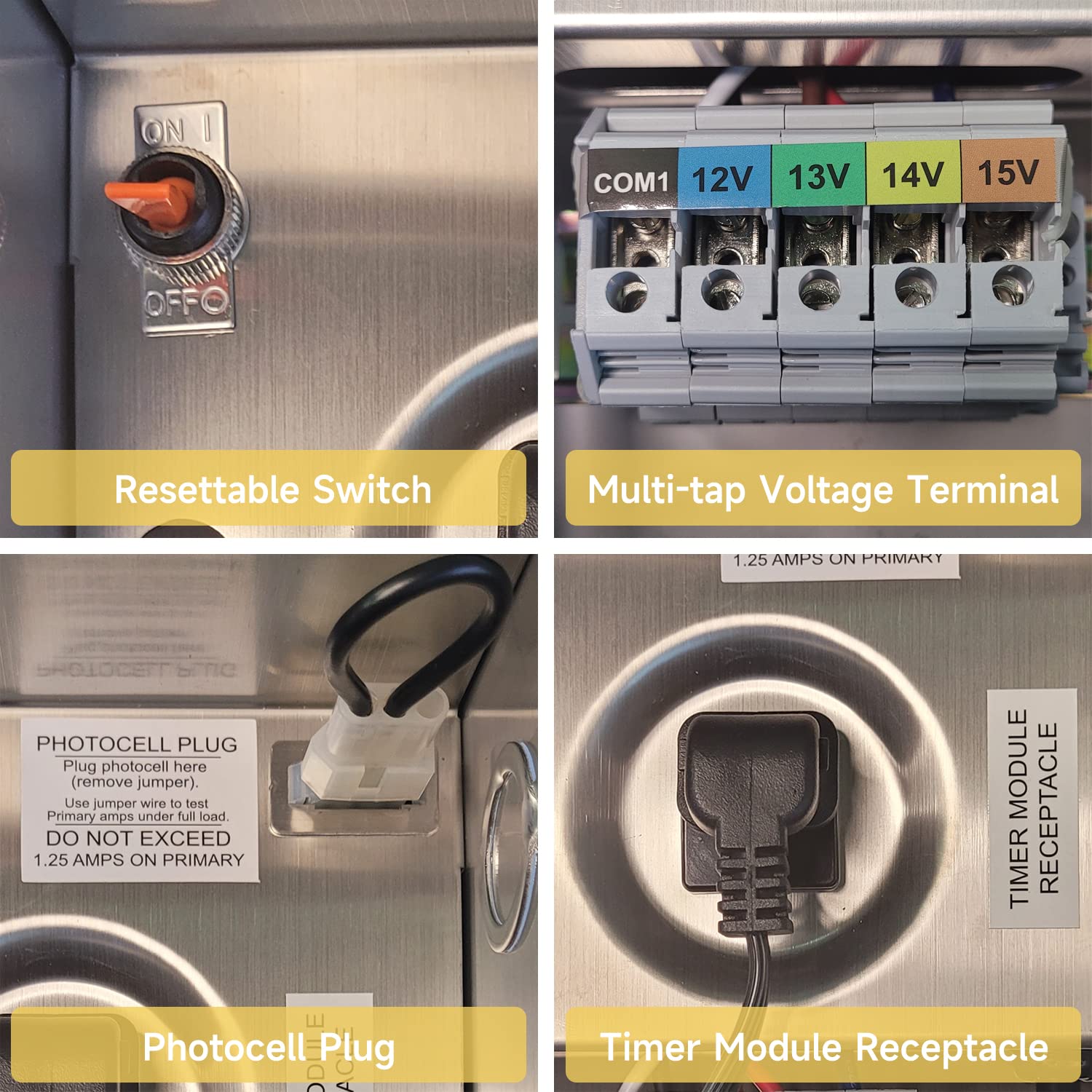
Understanding LED Lighting Transformers
LED lighting transformers are devices that convert the standard voltage from your home into a lower voltage suitable for LED lights. They play a pivotal role in low voltage lighting systems, allowing you to safely power your fixtures without the risk of overloading them. Unlike conventional lighting systems, which often operate on high voltage, low voltage systems require a transformer to step down the voltage, ensuring that the LEDs receive the appropriate amount of power. This transformation is key to achieving energy efficiency, as it minimizes the risk of energy wastage and maximizes the lifespan of your lighting setup. Understanding these technical aspects will empower you to make more informed decisions about your home lighting.
Key Features to Consider When Choosing a Transformer
When selecting a transformer, there are several essential features to consider. First and foremost is the wattage capacity; it’s critical to ensure that the transformer can handle the total wattage of all LED fixtures combined. Efficiency ratings are another vital aspect; look for transformers with higher efficiencies as they convert more electrical energy into usable power, which translates to lower energy bills. Additionally, safety certifications should not be overlooked; these certifications indicate that the transformer meets industry standards for safety and performance. By focusing on these key features, you can avoid common pitfalls and ensure a seamless lighting experience in your home.
Durability and Build Quality
Durability is crucial in low voltage LED lighting transformers as it directly impacts their lifespan and performance. High-quality transformers are typically constructed from robust materials that can withstand heat and electrical stress. Look for transformers featuring aluminum or steel casings, which provide better protection against wear and tear. Moreover, designs that incorporate heat sinks can improve heat dissipation, further enhancing durability. I remember a friend who invested in a durable transformer for her garden lights; years later, they still shine brightly without any issues, thanks to the quality of the transformer she chose.
Comparing Different Types of Transformers
LED lighting transformers come in various types, primarily electronic and magnetic transformers. Electronic transformers are compact and lightweight, making them ideal for low wattage LED applications. They often provide higher efficiency and less heat generation compared to their magnetic counterparts. However, they can be more sensitive to overloads. On the other hand, magnetic transformers are generally more robust and can handle higher wattages, making them suitable for larger lighting setups. Each type has its advantages and disadvantages, so it’s essential to evaluate your specific lighting needs to make the right choice.
Installation and Maintenance Tips
Installing LED transformers is relatively straightforward but requires attention to detail. Always follow the manufacturer’s instructions and ensure that the transformer is rated for the wattage of your LED lights. It’s advisable to turn off the power before starting the installation to avoid electrical hazards. For maintenance, periodically check the transformer for any signs of wear, such as overheating or unusual noises. Regularly cleaning the transformer to remove dust and debris can also help maintain optimal performance. A friend of mine learned this the hard way when neglecting his transformer led to reduced performance; a simple cleaning could have prevented it.
Making an Informed Choice on Your LED Transformer
In conclusion, selecting the right durable low voltage LED lighting transformer is crucial for ensuring an efficient and long-lasting lighting solution for your home. By understanding the key features, comparing different types of transformers, and following proper installation and maintenance tips, you can make an informed choice that suits your specific needs. Remember, a little research goes a long way, so take the time to evaluate your options carefully before making a purchase. Your choice will not only illuminate your home beautifully but also enhance your overall living experience.








