
Introduction
Human Metapneumovirus (HMPV) is a respiratory virus responsible for infections ranging from mild cold-like illness to serious lower respiratory tract disease, most notably in young children, elderly, and immunocompromised patients. Identified in 2001 in the Netherlands, HMPV is a member of the Pneumoviridae family and is closely related to the respiratory syncytial virus (RSV). HMPV is a major cause of respiratory illness globally, responsible for considerable morbidity, most notably during winter and early spring.
Transmission and Epidemiology
HMPV is transmitted by respiratory droplets when a sick person coughs or sneezes and by direct contact with soiled surfaces. It is very contagious and tends to cause outbreaks in community settings, schools, and hospitals. It infects individuals of any age but places children under five years, older adults, and people with compromised immune systems at greater risk of severe disease. Research estimates that HMPV causes 5-10% of respiratory infections in children in hospitals and 10% of cases of community-acquired pneumonia in older persons.
It has a seasonal profile, with outbreaks in temperate climates occurring late winter to early spring, concurrent with influenza and RSV seasons. Infections are endemic worldwide, with almost all children exposed by age five. Reinfection is frequent throughout life as a result of incomplete immunity, although in healthy adults, symptoms are generally less severe.
Symptoms and Clinical Manifestations
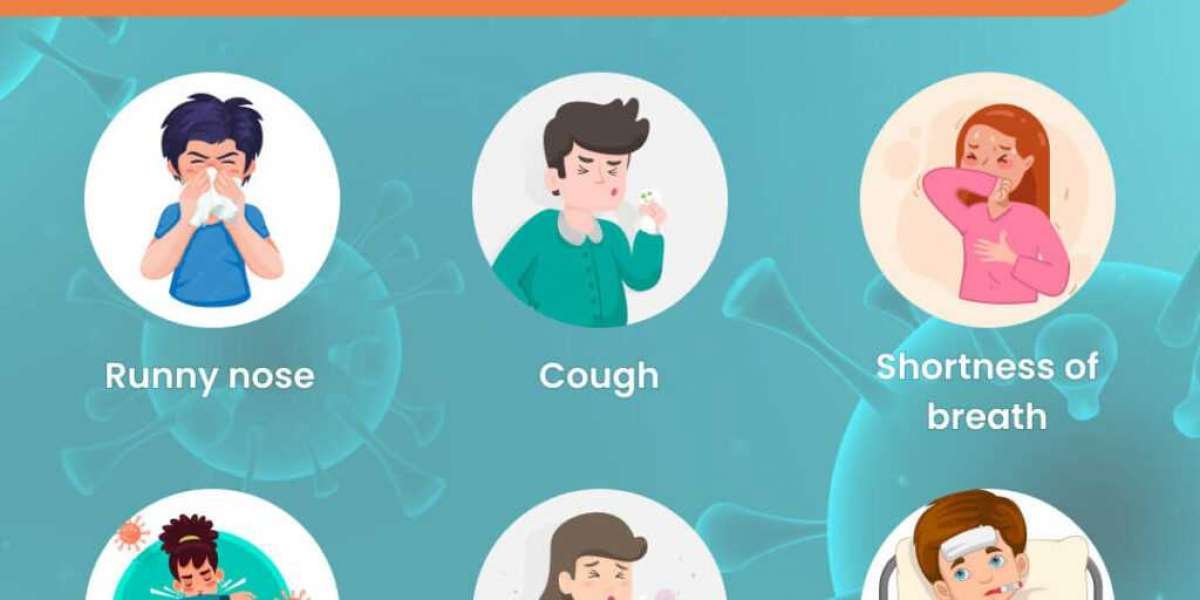
HMPV infection has an assortment of symptoms, varying with the age and health condition of the patient. In minor instances, it is identical to a common cold. Nonetheless, in susceptible individuals, HMPV can result in severe diseases such as bronchiolitis, pneumonia, or aggravation of chronic respiratory conditions like asthma or COPD.
In infants and children, HMPV is a primary cause of bronchiolitis, second only to RSV. Hospitalization is required in severe cases, especially in infants or those with compromised health. In elderly patients, HMPV can result in complications such as pneumonia, which can lead to high morbidity and, rarely, death. Immunocompromised individuals, including patients who are receiving chemotherapy or organ transplants, are at increased risk for long illness and severe illness.
Diagnosis and Treatment
HMPV diagnosis is difficult because it shares many similarities with other respiratory viruses. The molecular methods, including polymerase chain reaction (PCR), are the standard for the detection of HMPV in respiratory specimens. It is very sensitive and specific but is typically not available outside hospital or laboratory settings. Rapid tests for antigen are less frequently used for HMPV than for influenza or RSV.
There is no treatment for HMPV that is antiviral. Treatment is mainly supportive and aimed at the alleviation of symptoms. Hydration, bed rest, and antipyretics are indicated in mild disease. In serious cases, hospitalization can be necessary, and treatments such as oxygen or mechanical ventilation for respiratory distress. Ribavirin and immunoglobulins have been investigated experimentally, but efficacy is unproven, and they are not used on a regular basis.
Prevention
There is no vaccine for HMPV, which makes preventive interventions the key. Frequent washing of hands, cough etiquette, and avoiding close contact with people who are ill can help in limiting the spread. In the healthcare environment, infection control practices such as isolation and donning of personal protective gear are the key to preventing outbreaks.
HMPV vaccine research is being conducted, with a number of candidates at the preclinical phase. The virus's capability to reinfect and the fact that vulnerable populations such as infants and the elderly need to be protected make it difficult to create a safe and effective vaccine.
Conclusion
Human Metapneumovirus is a major but not well-recognized cause of respiratory disease globally. Its contribution to high-risk populations, along with the absence of specific therapies or vaccines, justifies ongoing study and public health initiatives. The development of advanced diagnostic technologies, enhanced surveillance, and vaccines would reduce the morbidity associated with HMPV. Until this time, the promotion of prevention and awareness about early detection of severe cases remains essential to dealing with this insidious respiratory pathogen.



Popular Posts
-
 Canadian pharmacies not requiring prescription
-
 Canada pharmaceuticals online generic
-
 Stop Wasting Time: How to Snag an Indiana Disabled Parking Permit Without the Headaches
-
 Caramelized Australian Balsamic: Craving Perfection? Aussie Basket Delivers Every Time
-
 3D Printing Services in Coimbatore: Choose WOL3D Coimbatore for Superior Quality


