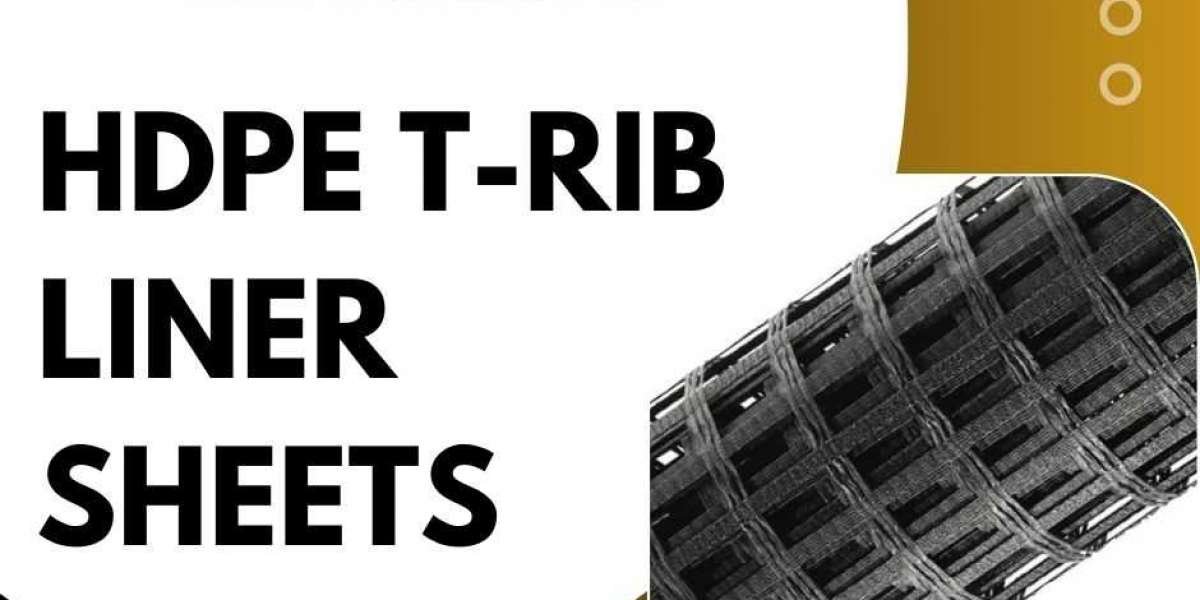

In the world of civil engineering and infrastructure development, underground structures like sewage systems and transport tunnels are vital. These structures must withstand harsh conditions, including chemical exposure, physical wear, and the relentless pressure exerted by surrounding soil and water. Therefore, it is crucial to implement effective protective measures to extend their lifespan and maintain their functionality. One popular solution gaining traction in recent years is the use of HDPE T-Rib liner sheets, particularly from reputable manufacturers like Mahira Polyglobal LLP.
Understanding HDPE T-Rib Liner Sheets
High-Density Polyethylene (HDPE) T-Rib liner sheets are specialized products designed for various applications, including water management, sewage treatment, and tunnel protection. The "T-Rib" refers to the unique profile of the liner, which consists of ribbed patterns that enhance strength and flexibility. This design allows for additional rigidity compared to flat sheets, making it an ideal choice for environments that require durable protective solutions.
The T-Rib design also aids in reducing the overall weight of the product while enhancing tensile strength, making transport and installation easier. The sheets typically come in large dimensions, allowing for faster covering of larger areas, thus reducing the number of joints and seams that might otherwise be prone to leaks.
Advantages of HDPE T-Rib Liner Sheets
The use of T-Rib HDPE liner sheets offers numerous advantages that make them ideal for protecting sewage and tunnel structures:
Chemical Resistance: HDPE has an excellent resistance to a variety of chemicals, including acids, alkalis, and organic solvents, which are commonly found in sewage and other corrosive environments. This property significantly reduces the risk of structural damage over time.
Durability: T-Rib HDPE liner sheets are highly resistant to impact and abrasion. Their robust construction helps them withstand physical stresses during installation and throughout their operational life.
Waterproofing: The hydraulic properties of HDPE make it an effective waterproofing material, preventing water infiltration that could lead to erosion or structural weakening.
Ease of Installation: The large sheets can cover considerable areas without the need for extensive seams or joints, which not only speeds up installation but also minimizes the potential for leaks.
Lightweight and Flexible: The ribbed design helps keep the weight manageable while offering superior flexibility, which is particularly beneficial in uneven or shifting ground conditions.
Cost-Effective: Although the initial investment might seem higher than other options, the long-term savings in maintenance and repair costs can make HDPE T-Rib liner sheets a more cost-effective choice in the long run.
Eco-Friendly: HDPE is recyclable, making T-Rib liner sheets a more environmentally friendly option compared to non-recyclable materials.
Installation of HDPE T-Rib Liner Sheets
the HDPE T-Rib liner sheets installation is a streamlined process that begins with site preparation and the assessment of the structure's condition. Here’s a step-by-step breakdown of the installation process:
Site Preparation: Clear the area where the liner sheets will be fitted. Remove any debris, loose soil, or existing materials that could interfere with the installation.
Surface Assessment: Examine the surface for any damages or irregularities that need to be addressed prior to installation. This may involve filling in trenches or cutting back protruding surfaces that could puncture the liner.
Sizing and Cutting: Measure the required dimensions for the liner. HDPE T-Rib liner sheets are available in various sizes, allowing for customization to fit specific structural requirements. Use appropriate cutting tools to achieve clean edges if necessary.
Lay Down the Sheets: Place the T-Rib liner sheets in the prepared area. The ribbed part should face the water flow or potential corrosive agents, while the flat side faces the ground or tunnel structure.
Secure the Sheets: Depending on the specific application, the sheets may need to be anchored down or sealed at the seams. Various methods are available, including welding, mechanical fasteners, or adhesive bonding.
Final Inspection: Once installed, conduct a thorough inspection to ensure everything is securely in place, with no gaps or potential vulnerabilities that could compromise the effectiveness of the liner sheets.
Applications of HDPE T-Rib Liner Sheets
HDPE T-Rib liner sheets have a range of applications, particularly in the following areas:
Sewage Treatment Plants: They provide a protective layer within treatment facilities, shielding structural components from the corrosive nature of wastewater.
Stormwater Management Systems: T-Rib liner sheets help in controlling and directing runoff water, thus preventing erosion and structural integrity losses.
Tunnels: They are used extensively in the construction of new transport tunnels and the rehabilitation of existing ones, enhancing resistance to ingress from groundwater or other sources of moisture.
Mahira Polyglobal LLP: A Reliable Manufacturer
When considering the use of T-Rib HDPE liner sheets in India, Mahira Polyglobal LLP stands out as a reputable manufacturer committed to quality and innovative solutions. They provide a range of products designed to protect infrastructural assets, ensuring longevity and efficiency in operation. Their expertise and backing for projects cater not only to large-scale urban initiatives but also to smaller infrastructures that require robust protection from environmental factors.
Conclusion
In conclusion, protecting sewage and tunnel structures with HDPE T-Rib liner sheets presents an effective and durable solution in infrastructure management. With their chemical resistance, waterproofing capabilities, and ease of installation, T-Rib HDPE liner sheets India are an excellent choice for municipalities and companies seeking to enhance the resilience of their underground structures. Partnering with a trusted manufacturer like Mahira Polyglobal LLP can ensure that your projects are built to last, safeguarding essential infrastructure for years to come.
FAQs
Q1: What makes T-Rib HDPE liner sheets different from standard HDPE sheets?
A: The T-Rib design incorporates ribbed patterns that enhance rigidity and flexibility, making them more effective in environments where additional support is needed.
Q2: Can HDPE T-Rib liner sheets be used in high-temperature conditions?
A: Generally, HDPE performs well in high temperatures, but it's important to consult the specifications provided by manufacturers like Mahira Polyglobal LLP to ensure the material is suited for your specific environmental conditions.
Q3: How long can I expect HDPE T-Rib liner sheets to last?
A: When installed properly and maintained, HDPE T-Rib liner sheets can last for several decades, often exceeding 30 years depending on environmental conditions and usage.
Q4: Is the installation of T-Rib HDPE liner sheets a DIY project?
A: While basic installation may seem feasible for DIY enthusiasts, it is typically recommended to hire professionals, especially for large-scale projects, to ensure longevity and integrity of the installation.
Q5: Are there warranty options available with Mahira Polyglobal LLP’s products?
A: Yes, Mahira Polyglobal LLP does offer warranty options for their T-Rib HDPE liner sheets, providing an additional layer of security for investment in protection against structural damage.








