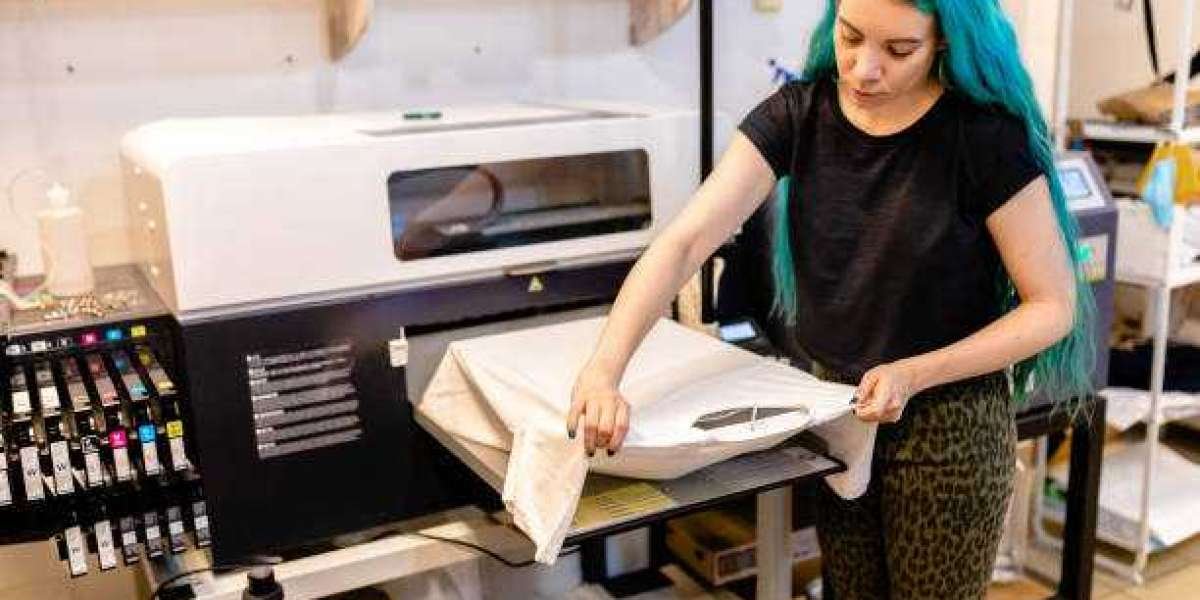

Direct-to-Film (DTF) printing has become a popular method for custom printing on various materials. Creating a custom DTF gang sheet at home can save you money and provide a fun, creative outlet for your custom design projects. Whether you're designing for apparel, accessories, or other items, this guide will walk you through the process of making your own custom DTF gang sheet.
What is a Custom DTF Gang Sheet?
A custom DTF gang sheet is essentially a sheet of designs printed on film, typically used for heat transfer to garments. The term “gang sheet” refers to a single print sheet that contains multiple designs, often in varying sizes, all printed together. This is an efficient way to print multiple designs at once and is particularly beneficial when printing custom designs for smaller batches. To get started, you'll need a DTF printer, film sheets, DTF ink, and a heat press.
Steps to Create Your Custom DTF Gang Sheet
- Prepare Your Design Files
Start by preparing your custom artwork. You can use design software like Adobe Illustrator or Photoshop to create the artwork in the correct resolution and dimensions for the DTF print. Make sure each design is spaced out on your workspace to fit onto the film sheet. - Arrange the Designs
Once you have your designs ready, it's time to arrange them on a single sheet. The idea is to maximize the use of space on the gang sheet. You can arrange the designs in rows or grids, ensuring there’s enough space between them to avoid overlapping. Keep in mind that the size of each design should be proportional to the final print area you’re aiming for. - Print the Gang Sheet
After arranging the designs, load your film into the DTF printer. The printer will transfer the design to the film using special DTF ink. Be sure to select the right settings for your printer to ensure the best quality print. Depending on your printer model, you may need to print the design multiple times to ensure it adheres well to the film. - Apply the Adhesive Powder and Cure the Print
Once your design is printed on the film, the next step is to apply the adhesive powder. The powder sticks to the printed ink and helps it bond with the fabric once it’s heat-pressed. After applying the powder, cure the print in a heat press or curing oven to solidify the design and make it ready for transfer.
Conclusion
Creating a custom DTF gang sheet at home is a rewarding and cost-effective way to produce high-quality prints for a variety of items. By following the steps outlined in this guide, you’ll be able to make your own custom DTF gang sheet, saving time and money while experimenting with different designs. With a little practice, you’ll master the process and enjoy creating custom prints for your personal or business needs.








