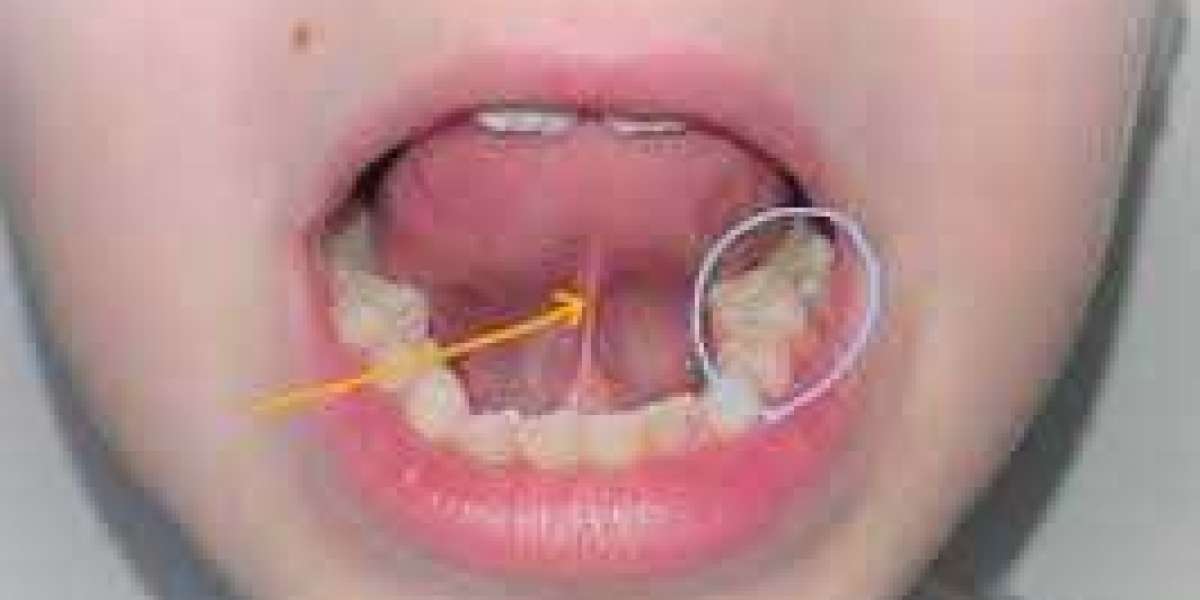

Welcome to Town Hall Dental. Many parents may not realise the significant impact a tongue tie can have on their child's development. A tongue tie, or ankyloglossia, is a condition where the band of tissue under the tongue is too short or tight. This restricts the tongue's movement. While it might seem minor, early intervention, often involving Children's Tongue Tie Surgery, can offer a multitude of benefits. This comprehensive blog post explores the top 8 advantages of addressing a tongue tie early in a child's life. We aim to highlight why timely treatment is crucial for a child's overall well-being.
Improved Breastfeeding and Infant Feeding
One of the most immediate and impactful benefits of early Children's Tongue Tie Surgery is improved breastfeeding. A restricted tongue movement can make it incredibly difficult for an infant to latch properly. This leads to ineffective milk transfer. For the baby, this can result in poor weight gain, constant hunger, and frustration at the breast. For the mother, it can cause significant pain, cracked nipples, and a decreased milk supply. Early intervention, often through a simple frenotomy, can quickly resolve these issues. It allows the baby to achieve a deep and effective latch. This ensures they receive adequate nutrition. It also makes breastfeeding a much more comfortable and positive experience for both mother and child. Improved milk transfer benefits the baby's growth and development. It also supports the mother's breastfeeding journey. Addressing these feeding difficulties early through Children's Tongue Tie Surgery is paramount for infant health and maternal comfort.
Enhanced Speech Development and Articulation
A tongue tie can significantly impede a child's ability to produce certain sounds. This affects their speech development. Sounds involving the tongue touching the roof of the mouth, like 't', 'd', 'n', 'l', and 's', can be particularly challenging. Children with an untreated tongue tie may develop a lisp or other speech impediments. This can lead to frustration and difficulties with communication. Early Children's Tongue Tie Surgery can release the tight frenulum. This allows for a greater range of tongue movement. This, in turn, facilitates proper articulation of sounds. While some speech therapy may still be beneficial after the procedure, the physical barrier to clear speech is removed. This can lead to significant improvements in speech clarity. It can also boost a child's confidence in communicating. Addressing speech concerns early through Children's Tongue Tie Surgery can prevent long-term communication difficulties and social challenges.
Better Oral Hygiene and Dental Health
The tongue plays a vital role in natural oral hygiene. It helps to sweep food debris from the teeth and gums after eating. A tongue tie can restrict this natural cleaning action. This means food particles and bacteria can linger on the teeth and gums. This increases the risk of tooth decay and gum disease, even in young children. Early Children's Tongue Tie Surgery allows the tongue to move freely. This enables it to perform its natural cleaning function more effectively. This proactive approach helps maintain better oral hygiene from a young age. It can reduce the likelihood of developing dental problems later on. Furthermore, proper tongue positioning is important for palate development and tooth alignment. An untreated tongue tie can sometimes contribute to orthodontic issues. Therefore, early Children's Tongue Tie Surgery can indirectly support long-term dental health and reduce the need for extensive orthodontic treatment in the future.
Improved Eating and Swallowing
Beyond breastfeeding, an untreated tongue tie can continue to affect a child's eating habits as they grow. They may struggle with chewing certain textures of food. They might have difficulty moving food around their mouth effectively. This can lead to messy eating or gagging. Some children may even develop aversions to certain foods due to these difficulties. This can impact their nutritional intake. Children's Tongue Tie Surgery can improve the tongue's ability to manipulate food during chewing and swallowing. This makes eating a more comfortable and efficient process. It can encourage a wider variety of foods in their diet. This ensures they receive essential nutrients for healthy growth. Improved swallowing mechanics can also prevent issues like air swallowing, which can lead to discomfort. Therefore, addressing a tongue tie early through Children's Tongue Tie Surgery contributes to healthier eating habits and better digestion in children.
Reduced Risk of Sleep Apnoea and Snoring
While less commonly known, a tongue tie can contribute to breathing difficulties, particularly during sleep. When the tongue is restricted, it may fall back into the airway more easily. This can lead to snoring or even sleep apnoea. Sleep apnoea is a serious condition where breathing repeatedly stops and starts during sleep. This affects oxygen levels and sleep quality. Poor sleep can impact a child's mood, concentration, and overall development. Early Children's Tongue Tie Surgery can help ensure the tongue maintains a proper position in the mouth. This keeps the airway open. This can significantly reduce the risk of snoring and sleep apnoea. Improving sleep quality through Children's Tongue Tie Surgery has a ripple effect. It enhances a child's energy levels, cognitive function, and emotional regulation. This makes it a crucial benefit for overall well-being.
Positive Impact on Jaw Development and Facial Structure
The tongue plays an important role in shaping the upper jaw and palate as a child grows. A properly functioning tongue rests against the roof of the mouth. This provides a natural pressure that encourages proper development of the upper jaw. A tongue tie can prevent this upward resting position. This may lead to a narrow palate or other jaw development issues. These issues can affect tooth alignment and facial aesthetics. Early Children's Tongue Tie Surgery can help normalise tongue posture. This supports healthy jaw and facial development. This proactive intervention can prevent the need for more extensive orthodontic or orthognathic treatments in the future. It contributes to a well-formed facial structure. It also promotes proper tooth alignment. The long-term benefits of early Children's Tongue Tie Surgery extend to the very architecture of a child's developing face.
Improved Social Confidence and Reduced Frustration
Children with untreated tongue ties can experience significant frustration. This stems from difficulties with feeding, speech, and even social interactions. Being unable to communicate clearly or eat comfortably can lead to feelings of inadequacy. It can impact their willingness to engage with peers. This can affect their social confidence. Early Children's Tongue Tie Surgery removes these physical barriers. This allows a child to eat, speak, and interact more naturally. This can lead to a significant boost in their self-esteem. They can participate more fully in activities. They can express themselves without inhibition. Reducing frustration related to these fundamental functions helps a child develop a more positive self-image. It fosters greater social confidence. The emotional and psychological benefits of early Children's Tongue Tie Surgery are often as profound as the physical ones.
Preventing Future Compensatory Issues and Chronic Pain
When a tongue tie is left unaddressed, children often develop compensatory habits. They might use their jaw muscles excessively to compensate for limited tongue movement. This can lead to strain on the temporomandibular joint (TMJ). It can cause headaches, neck pain, and even TMJ disorders later in life. Early Children's Tongue Tie Surgery can prevent these long-term compensatory issues. It allows the jaw and surrounding muscles to function naturally. This reduces the risk of developing chronic pain conditions. By addressing the root cause of the restriction early, we can prevent a cascade of secondary problems. This proactive approach through Children's Tongue Tie Surgery saves children from potential discomfort and complex treatments in their adult years. It ensures a healthier, more comfortable future.
Conclusion
The decision to pursue early intervention for a tongue tie can have a profoundly positive impact on a child's life. From immediate improvements in feeding to long-term benefits in speech, oral health, and overall well-being, the advantages of Children's Tongue Tie Surgery are extensive. At Town Hall Dental, we understand the concerns parents may have. We are committed to providing comprehensive evaluations and gentle, effective treatments for tongue ties. If you suspect your child may have a tongue tie, we encourage you to seek professional advice. Early assessment and intervention can truly make a world of difference in your child's development and quality of life.
Have you experienced the benefits of early Children's Tongue Tie Surgery? What was your experience like? Share your insights and questions in the comments below!








