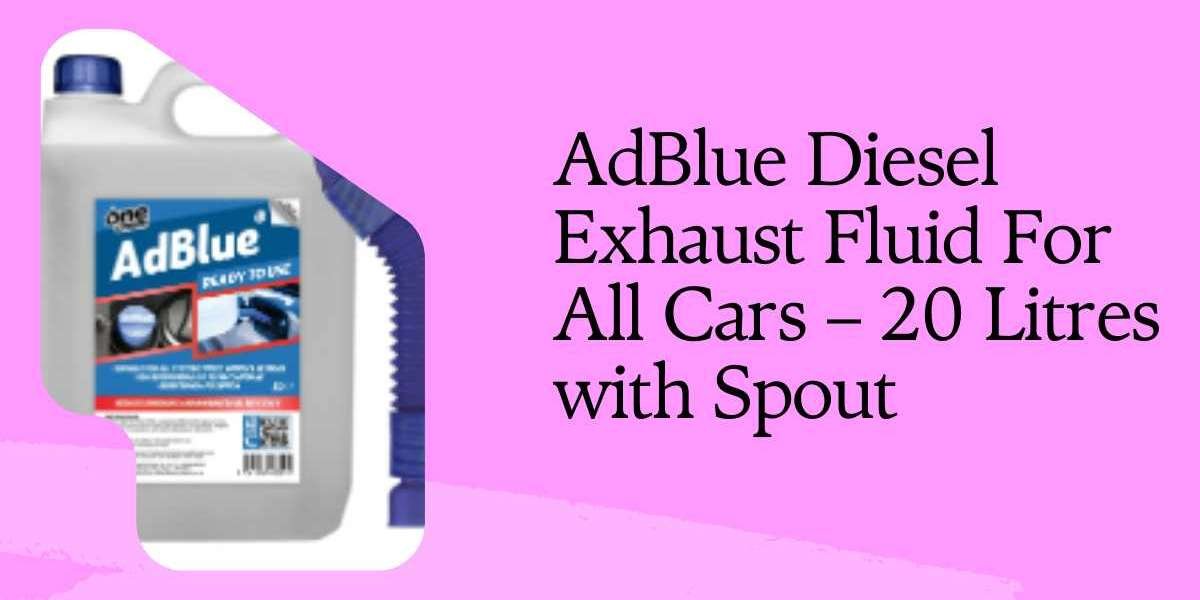

Diesel engines have long powered much of the UK's transport and logistics sector. However, tighter emissions regulations have pushed vehicle manufacturers to adopt new solutions. One of the most important is Ad Blue. Whether you're a driver, fleet manager, or simply curious, it's important to understand what Ad Blue does and how it affects your vehicle's performance, emissions, and legal compliance.
In this guide, you’ll get the full story: how Ad Blue works, where to get it, how much to use, and why it's more than just another fluid.
What is Ad Blue and Why is It Important?
Ad Blue is a clear, non-toxic fluid made from 32.5% high-purity urea and 67.5% deionised water. It's used in diesel vehicles equipped with SCR (Selective Catalytic Reduction) systems.
Its job is simple but vital: reduce harmful nitrogen oxide (NOx) emissions. When injected into the exhaust, Ad Blue reacts with NOx gases and turns them into harmless nitrogen and steam.
This chemical reaction helps diesel vehicles meet the Euro 6 emission standards enforced across the UK and Europe.
How Does Ad Blue Work in Diesel Engines?
Diesel vehicles fitted with an SCR system automatically spray small amounts of Ad Blue into the exhaust. This process happens after the fuel has been burned.
The urea solution enters the exhaust stream, where high temperatures turn it into ammonia. The ammonia then reacts with nitrogen oxides inside a catalyst, converting up to 90% of NOx into nitrogen and water vapour.
This means lower emissions and better air quality.
Which Vehicles Need Ad Blue?
Most modern diesel vehicles manufactured after 2015 require Ad Blue. These include:
HGVs and lorries
Buses and coaches
Diesel vans
Some diesel passenger cars (Audi, BMW, Mercedes, Ford, etc.)
If your vehicle has an SCR system, it uses Ad Blue. Check your owner's manual or dashboard warning lights to confirm.
How Often Do You Need to Refill Ad Blue?
Refill frequency depends on how much you drive.
Passenger cars: Typically need a top-up every 5,000 to 10,000 miles.
HGVs: Might need a refill every 2,000 miles.
The average consumption is around 1 litre of Ad Blue per 600 miles. Your dashboard will alert you well in advance when levels are low.
Important: If you run out, your vehicle may not start or will go into limp mode.
Where Can You Buy Ad Blue in the UK?
You can find Ad Blue at:
Supermarkets (Asda, Tesco, Morrisons)
Petrol stations (BP, Shell, Esso)
Auto shops (Halfords, Euro Car Parts)
Online (Amazon UK, eBay, etc.)
It's available in 5L, 10L, and even 20L containers. Some stations also offer Ad Blue pumps for commercial vehicles.
Prices range from £10 to £15 for 10 litres, depending on brand and location.
Is Ad Blue Safe to Handle and Store?
Yes. Ad Blue is safe, but it's slightly corrosive. Avoid skin or eye contact. Use gloves when pouring.
Storage tips:
Keep it in a sealed container.
Store between -11°C and 30°C.
Avoid direct sunlight.
If stored properly, Ad Blue lasts up to 12 months.
Can You Drive Without Ad Blue?
No. Modern vehicles with SCR systems won’t start if the Ad Blue tank is empty.
It’s not just about vehicle performance. It's a legal requirement. Failing to use Ad Blue or tampering with your SCR system can lead to fines and MOT failure in the UK.
Ad Blue Myths vs Facts
Myth: Ad Blue improves engine power.
Fact: It doesn’t affect power or fuel economy. It only reduces emissions.
Myth: All diesels need Ad Blue.
Fact: Only vehicles with SCR systems use Ad Blue. Older models don’t.
Myth: You can refill Ad Blue with water.
Fact: Never use water. Only use certified Ad Blue.
How Much Does the UK Use Ad Blue Annually?
In 2024, over 100 million litres of Ad Blue were used across the UK. With stricter regulations ahead, demand is expected to rise by 15% in the next two years.
How to Refill Ad Blue - Step-by-Step
Open your fuel door or boot (depends on model).
Locate the Ad Blue filler cap (usually blue).
Use a nozzle or funnel to pour slowly.
Don’t overfill—check your car’s manual for capacity.
Wipe any spills immediately.
Some vehicles automatically reset the Ad Blue sensor; others may need a short drive.
Top 5 Brands of Ad Blue in the UK
GreenChem – Trusted by commercial fleets
Yara Air1 – High-purity and widely available
Redex AdBlue – Easy-pour bottle design
Holts AdBlue – Affordable and efficient
Comma AdBlue – Popular among UK garages
Always check for ISO 22241 certification before buying.
Why Ad Blue Matters for UK Diesel Drivers
According to DEFRA, diesel NOx emissions contribute to 23% of the UK’s air pollution. Using Ad Blue cuts these emissions drastically.
Quote from a Transport Analyst:
“Without SCR and Ad Blue, modern diesel vehicles couldn’t meet today’s emission standards. It’s that simple.”
Key Things to Remember About Ad Blue
It’s essential for most diesel vehicles made after 2015
It doesn’t affect fuel economy or performance
You can’t substitute it with water or other fluids
Running out can disable your vehicle
Common Questions About Ad Blue
Can I put Ad Blue in the diesel tank?
No. That will damage the engine. Use only the Ad Blue tank.
How much Ad Blue do I need?
Roughly 1 litre every 600 miles for cars. HGVs use more.
Does Ad Blue freeze?
Yes, at -11°C. But SCR systems have heaters to thaw it automatically.
Comparison - Ad Blue vs Diesel Exhaust Fluid (DEF)
| Feature | Ad Blue | DEF (USA equivalent) |
|---|---|---|
| Composition | 32.5% urea + deionised water | Same |
| Use | UK and EU vehicles | US vehicles |
| Certification Needed | ISO 22241 | ISO 22241 |
| Brand Names | Air1, GreenChem, Holts | BlueDEF, Peak |
They're chemically identical but branded differently depending on region.
Conclusion
Whether you drive a lorry or a luxury SUV, if it runs on diesel, chances are it needs Ad Blue. This small investment keeps your vehicle legal, your emissions low, and your engine protected.
With UK roads getting greener and emissions laws getting stricter, Ad Blue is no longer optional. It's essential.
Stock up, store it right, and refill before you’re warned. That way, you’ll avoid fines, breakdowns, and costly repairs.