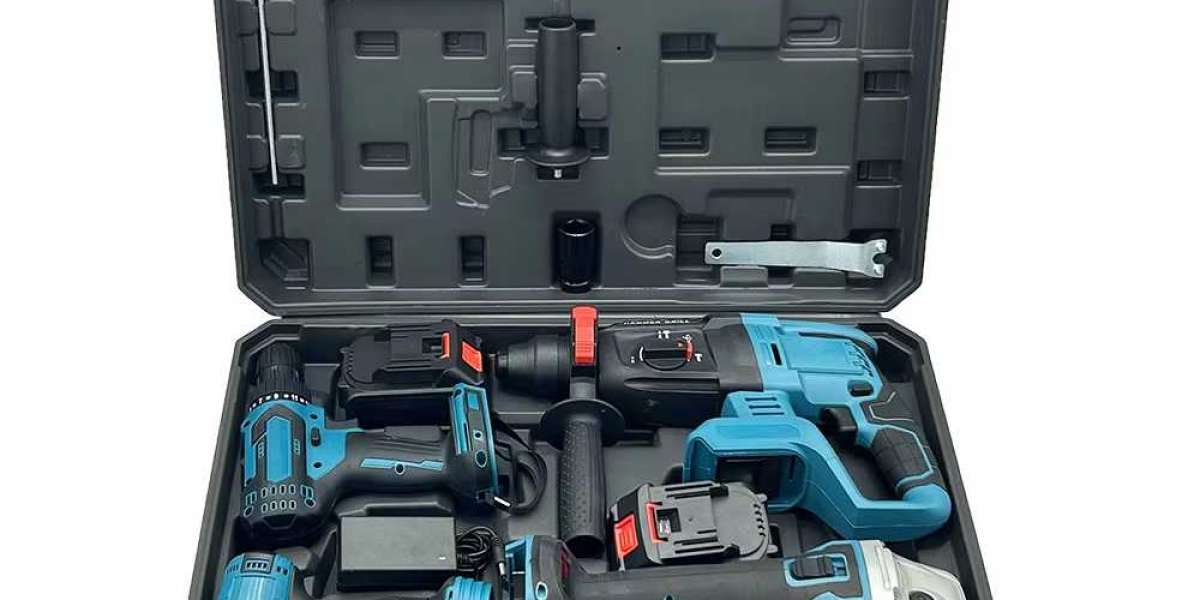

Smart Tools: The Rise of Connectivity
One of the most significant trends in the future of hardware tools is the integration of smart technology. Smart tools are equipped with sensors and connectivity features that allow them to communicate with other devices and applications. For instance, imagine a power drill that can adjust its torque settings based on the material being drilled, or a level that connects to your smartphone to provide real-time feedback on alignment. These innovations not only enhance precision but also reduce the likelihood of errors, making hardware tools smarter and more efficient than ever before.
Sustainability in Hardware Tools
As global awareness of environmental issues grows, the future of hardware tools is also shifting towards sustainability. Manufacturers are increasingly focusing on creating tools that are not only durable but also environmentally friendly. This includes using recycled materials, reducing energy consumption, and designing tools that can be easily repaired or upgraded. For example, electric saws with energy-efficient motors and rechargeable batteries are becoming more common, allowing users to complete their tasks while minimizing their carbon footprint. This shift towards sustainability not only meets consumer demand but also aligns with global efforts to combat climate change.
Ergonomics and User-Centric Design
The design of hardware tools is evolving to prioritize ergonomics and user comfort. Innovations in this area focus on creating tools that reduce strain on the user, thereby enhancing productivity and safety. Features like adjustable handles, lightweight materials, and vibration reduction technology are becoming standard in the industry. For instance, a new generation of hand tools is designed to fit comfortably in the user's hand, allowing for longer use without discomfort. This focus on user-centric design is essential as it directly impacts the effectiveness and satisfaction of the end-user, making hardware tools more accessible to a broader audience.
Advanced Materials and Durability
The future of hardware tools also lies in the development of advanced materials that enhance durability and performance. Innovations such as carbon fiber composites and high-strength alloys are being utilized to create tools that are not only lighter but also stronger than their traditional counterparts. This means that hardware tools will be able to withstand more rigorous use while maintaining their functionality over time. For example, a new line of wrenches made from advanced alloys promises to be resistant to corrosion and wear, ensuring longevity and reliability for professionals in demanding environments.
The Role of Automation in Hardware Tools
Automation is another key player in the future of hardware tools. With the rise of robotics and automated systems, hardware tools are becoming increasingly automated to improve efficiency and reduce human error. For example, automated screwdrivers can adjust their speed and torque based on the material and size of the screws, ensuring optimal performance. This trend towards automation not only streamlines processes but also allows users to focus on more complex tasks, ultimately enhancing productivity in various industries.
In conclusion, the future of hardware tools is bright, with innovations that promise to enhance efficiency, sustainability, and user experience. From smart technology and sustainable practices to ergonomic designs and advanced materials, these advancements are set to revolutionize the way we work with hardware tools. As we look forward to these exciting developments, it is clear that the next generation of hardware tools will not only meet the demands of today but also pave the way for a more efficient and sustainable future.