

Unlock the Secrets of Captivating Black and White Abstract Art!
Black and white abstract art has emerged as a powerful trend in contemporary art, captivating both artists and audiences alike. This style strips away color, focusing instead on form, texture, and composition to evoke emotion and provoke thought. The juxtaposition of black and white creates a striking visual contrast that can convey a myriad of feelings, from serenity to chaos. Many art enthusiasts are drawn to the simplicity and elegance of this art form, as it allows for personal interpretation and reflection. The allure of black and white abstract art lies in its ability to communicate complex ideas using minimalistic elements, making it a versatile choice for both home decor and gallery exhibitions.
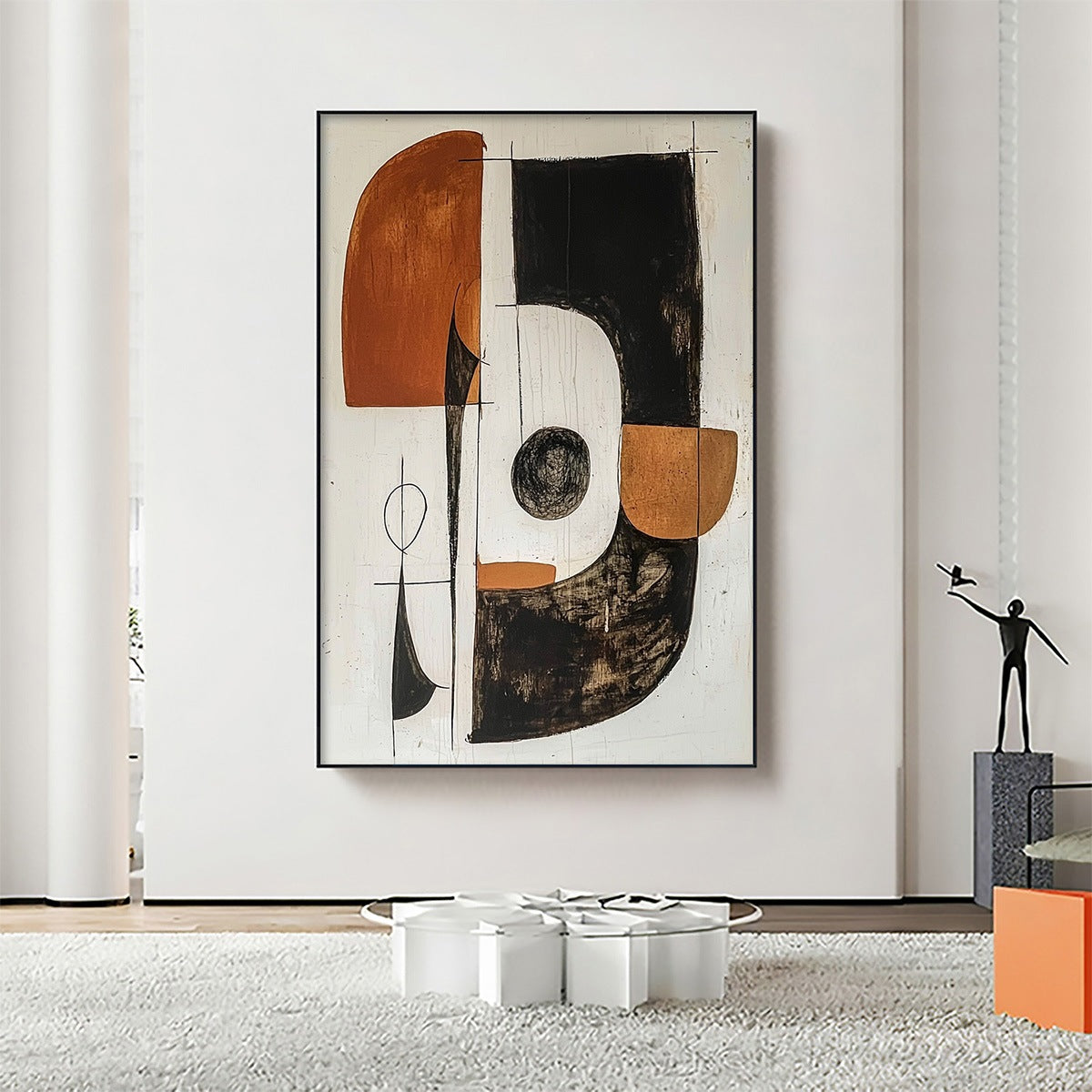
Understanding Black and White Abstract Art
Black and white abstract art is defined by its use of monochromatic tones to create artworks that do not attempt to represent an accurate depiction of visual reality. Instead, this art form emphasizes shapes, lines, and textures, allowing artists to express their emotions and ideas through non-representational means. Unlike traditional art forms focused on realism, black and white abstract art encourages viewers to engage with the piece on a personal level, interpreting the work based on their individual experiences and perceptions. Characteristics of this style include bold contrasts, dynamic compositions, and a focus on the interplay of light and shadow. The absence of color invites viewers to explore the subtleties of the design, making it a truly immersive experience.
Styles of Black and White Abstract Art
Within the realm of black and white abstract art, several distinct styles have emerged, each offering a unique perspective and aesthetic. One popular style is geometric abstraction, which utilizes shapes and lines to create structured compositions. Artists like Kazimir Malevich and Piet Mondrian have made significant contributions to this style, often using grids and repetitive forms to explore balance and harmony. Another approach is organic abstraction, where the focus is on free-flowing shapes that mimic the natural world. This style often evokes a sense of movement and fluidity, as seen in the works of artists like Joan Miró. Minimalism, characterized by its simplicity and focus on essential forms, is also prevalent in black and white abstract art. The clean lines and sparse compositions create a sense of calm and introspection. Each style brings its unique characteristics and emotions, allowing artists to convey their personal visions.
Techniques Used in Creating Black and White Abstract Art
Artists employ a variety of techniques to create stunning black and white abstract artworks, utilizing both traditional and modern methods. Painting is a prominent technique, with mediums ranging from acrylics to oils, allowing for rich textures and depth. Drawing also plays a crucial role, with artists using charcoal, ink, and graphite to achieve intricate details and bold contrasts. Digital methods have gained popularity in recent years, enabling artists to experiment with layering, filters, and effects that might be challenging to achieve by hand. Tools such as brushes, palette knives, and even unconventional materials like sponges or fingers can create unique textures and effects. The choice of materials is often driven by the artist's intent, as each medium can convey different emotions and aesthetics.
Trends in Black and White Abstract Art
As the art world continues to evolve, so too does the landscape of black and white abstract art. One significant trend is the integration of technology, with artists increasingly using digital platforms to create and share their work. This shift not only expands the possibilities of artistic expression but also allows for greater accessibility, enabling a wider audience to engage with black and white abstract art. Additionally, there is a growing interest in environmental themes, with artists exploring concepts related to nature and sustainability using monochromatic palettes. Social and political commentary also plays a role, as many contemporary artists utilize black and white abstraction to address pressing issues, inviting viewers to reflect on the world around them. These trends highlight the versatility and relevance of black and white abstract art in today’s society.
The Impact of Black and White Abstract Art
In conclusion, black and white abstract art represents a compelling intersection of emotion, technique, and contemporary trends. This art form invites viewers to engage in a dialogue with the artwork, allowing for personal interpretations that can vary widely from one observer to another. The styles and techniques explored in this article demonstrate the diversity within black and white abstraction, showcasing how artists continue to push boundaries and innovate. As this genre gains further popularity, its significance in modern art becomes even more pronounced, reinforcing its impact on both the creators and the audiences who experience it. Black and white abstract art not only captivates with its visual appeal but also serves as a mirror reflecting the complexities of human emotion and thought.








