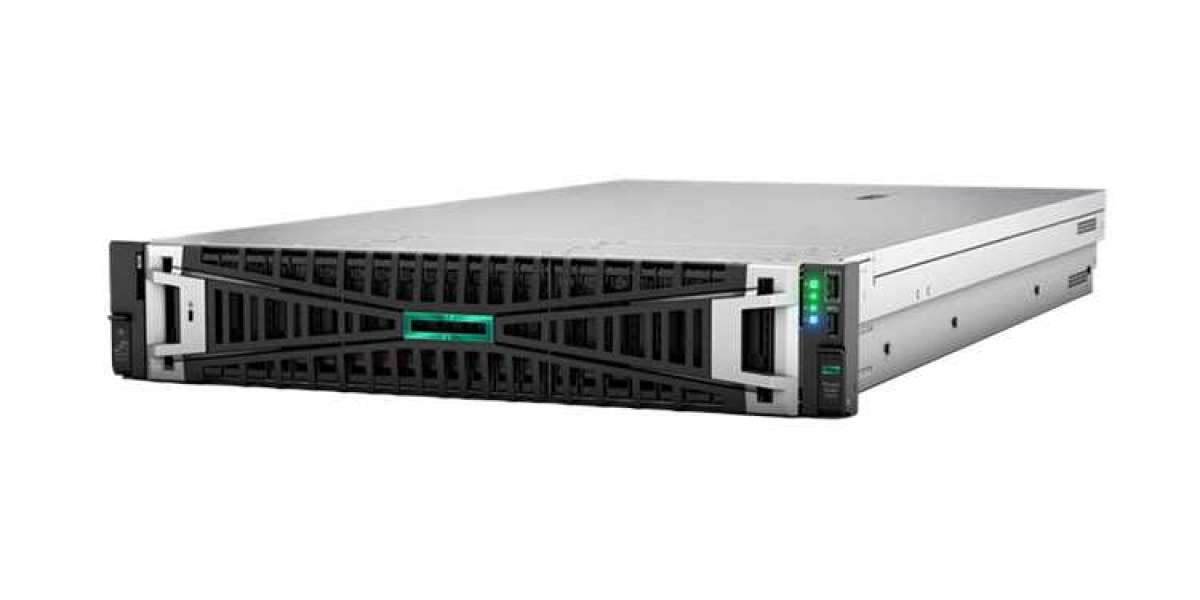

In today's fast-paced work environment, the efficiency of your workstation can significantly impact your productivity levels. Upgrading your workstation is not merely an aesthetic choice; it is a strategic decision that can lead to enhanced performance, better health, and ultimately, increased job satisfaction. This article explores the numerous benefits of upgrading your workstation, focusing on how such enhancements can lead to improved productivity.
1. Enhanced Performance with Modern TechnologyThe first and foremost benefit of upgrading your workstation is the access to modern technology. Newer computers and peripherals are designed to handle demanding tasks more efficiently. With advancements in processing power, memory, and storage, professionals can run multiple applications simultaneously without experiencing lag. This increased performance allows for smoother multitasking, enabling workers to accomplish more in less time. Furthermore, high-resolution monitors reduce eye strain and improve clarity, making it easier to focus on intricate details of projects.
2. Improved Ergonomics for Healthier Work HabitsAn often-overlooked aspect of workstation upgrades is ergonomics. A well-designed workspace can significantly reduce the risk of repetitive strain injuries, back pain, and other health issues associated with prolonged sitting. Investing in ergonomic chairs, adjustable desks, and proper monitor placement can enhance comfort and promote better posture. When employees are comfortable, they are less likely to experience fatigue and more likely to maintain focus throughout the day. This improvement in physical well-being directly correlates with productivity levels.
3. Increased Collaboration and Communication
Upgrading your workstation often involves incorporating collaborative tools and communication technologies. With the rise of remote work and global teams, having the right tools at your workstation can facilitate better collaboration. Tools such as high-quality webcams, microphones, and collaboration software make it easier to connect with colleagues, share ideas, and work on projects in real-time. This seamless communication fosters a more dynamic work environment, leading to higher productivity and more innovative solutions.
4. Flexibility and Adaptability to Changing Needs
As businesses evolve, so do their needs. An upgraded workstation can provide the flexibility required to adapt to new challenges. High-performance systems can accommodate new software and applications that may be necessary for future projects. Moreover, modular workstations can be reconfigured to suit different tasks or team sizes, allowing for a more agile work environment. This adaptability ensures that employees can maintain high productivity levels, regardless of changing circumstances.
5. Long-Term Cost Savings
While the initial investment in upgrading your workstation may seem significant, the long-term cost savings can be substantial. Enhanced productivity leads to greater output, which can translate into increased revenue for businesses. Additionally, modern equipment often requires less maintenance and has a longer lifespan than older models. By reducing downtime and maintenance costs, businesses can allocate resources more effectively, ultimately improving their bottom line.
Industry Trends and Future Outlook
As we move forward, the trend of upgrading workstations to enhance productivity is likely to continue growing. Companies are increasingly recognizing the importance of investing in their employees' work environments. With the rise of hybrid work models, the demand for flexible, high-performance workstations is expected to increase. Furthermore, advancements in technology, such as artificial intelligence and cloud computing, will continue to shape the future of work, making it essential for businesses to stay ahead by upgrading their equipment and tools.
In conclusion, upgrading your workstation is a strategic investment that can yield substantial benefits in productivity, health, and overall job satisfaction. By embracing modern technology and ergonomic designs, businesses can create an environment that not only enhances performance but also fosters a culture of well-being and collaboration.