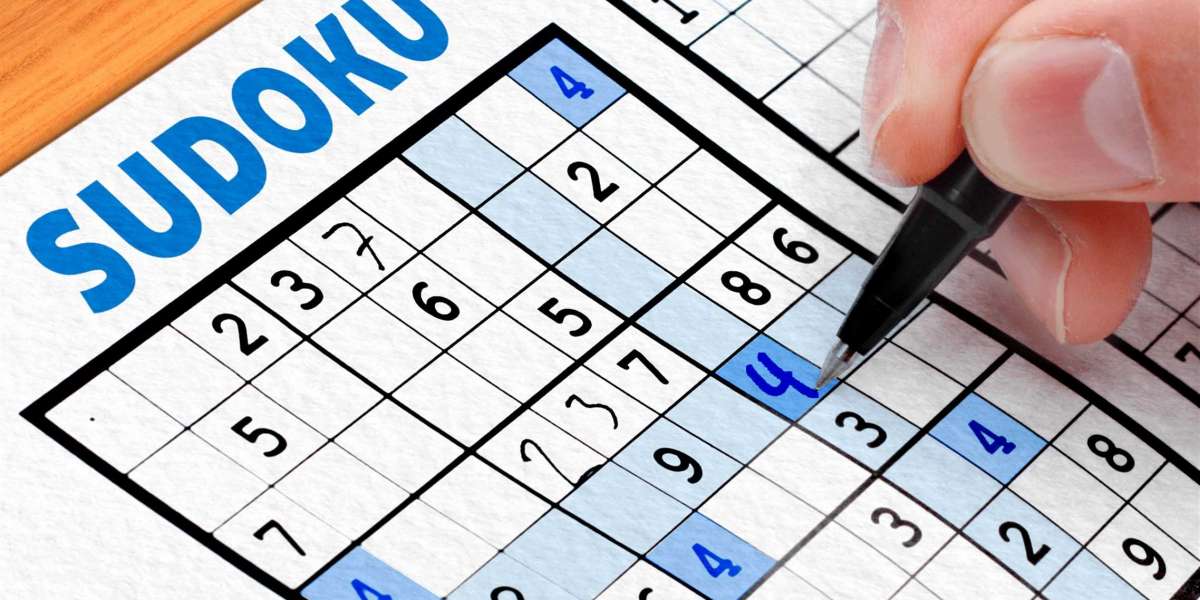

Discovering the Puzzle That Hooked Me
It all started on a rainy Sunday morning. I was sipping tea by the window, scrolling through a free puzzle app on my phone when I stumbled upon Sudoku. At first, I thought, “It’s just numbers in a grid. How hard can it be?” Famous last words.
The first puzzle I tried was labeled “easy.” Ha. Easy, indeed. Or so I thought. Within minutes, I realized Sudoku isn’t just about filling numbers; it’s about spotting patterns, thinking ahead, and sometimes staring blankly at a square, hoping inspiration would strike. And for some strange reason, I loved it.
The Thrill of the Challenge
There’s something thrilling about solving a Sudoku puzzle that I can’t quite explain. Maybe it’s the tiny victories as you fill in certain numbers and watch the puzzle start to unravel itself. Or maybe it’s the adrenaline rush when you realize the solution is hiding in plain sight, if only you look closely enough.
I remember sitting at my desk one night with an “intermediate” puzzle. Hours passed, and I was stuck. I double-checked rows, columns, and blocks, but nothing worked. My frustration grew until I almost gave up. Then, like a bolt of lightning, it clicked. One tiny placement triggered a cascade of numbers, and suddenly the entire grid made sense. I leaned back, laughing in disbelief, amazed at how a simple puzzle could make me feel like a genius.
The Funny Side of Sudoku
Sudoku isn’t always serious. I once tried to solve a puzzle while my cat decided my notebook was her new napping spot. Every time I wrote a number, she’d swipe at the pencil or curl up across the grid. I ended up starting over several times, but I couldn’t help laughing. It was a perfect reminder that even serious puzzles can have hilarious interruptions.
Another memorable moment was when I brought a Sudoku book on a flight. The person next to me noticed and said, “I never understood this game.” Soon enough, we were swapping tips and solving puzzles together, comparing strategies, and cheering each other silently every time a tricky number went in. Sudoku, in its quiet, logical way, creates unexpected connections.
Tips I’ve Learned Along the Way
Over the years, I’ve discovered a few strategies that make Sudoku more manageable:
1. Start with the obvious numbers
Scan each row, column, and block for numbers that have only one possible position. It gives you momentum and prevents feeling overwhelmed.
2. Use pencil marks
Pencil in potential numbers lightly before committing. This way, you can visualize possibilities and catch mistakes early.
3. Look for patterns
Sometimes numbers appear in predictable configurations. Spotting these early can save a lot of time.
4. Step away if stuck
Taking a break and returning with fresh eyes often reveals solutions that were invisible before.
Why Sudoku Feels Rewarding
For me, Sudoku is more than just filling numbers. It’s like a mini-adventure in each grid. Every puzzle has a unique solution, a hidden rhythm that rewards focus and patience. Completing a tough puzzle gives a rush of satisfaction, a combination of relief, pride, and joy that is hard to replicate.
Unlike video games or other hobbies, Sudoku doesn’t require flashy graphics or fast reflexes. The challenge is purely mental, and that makes every victory feel genuinely earned. Plus, it’s portable—you can play anywhere, from a café to a train, or even in bed at night.
Lessons From Sudoku
Playing Sudoku has taught me several life lessons:
Patience is key. Rushing leads to mistakes, whether in puzzles or real life.
Attention to detail matters. Every number counts, and small errors can have big consequences.
Perseverance pays off. Some puzzles seem impossible at first, but persistence brings breakthroughs.
Enjoy the process. Sometimes the journey is more rewarding than the outcome.
I’ve even noticed subtle improvements in my problem-solving skills outside puzzles—at work, in planning trips, or when organizing my day. Sudoku is a quiet trainer for the brain.
The Joy of Sharing Sudoku
One of the best experiences has been sharing Sudoku with others. Friends, family, even strangers have joined me over grids, laughing at mistakes, celebrating successes, and sometimes arguing over placements. It’s funny how a simple logic puzzle can create bonds and shared memories.
And the digital age makes it easier than ever. Apps allow you to play challenges daily, compete with friends, and track your progress. Yet, I still love the old-fashioned pen-and-paper version—the tactile joy of writing numbers, erasing mistakes, and feeling the puzzle come together under my own hand.
My Sudoku Obsession
I won’t lie: I’m hooked. Easy puzzles are relaxing, intermediate ones are satisfying, and expert-level challenges are humbling. No matter how many I solve, there’s always the thrill of the next grid, the next challenge, and the next small victory waiting to be earned.
It’s funny how a simple game of numbers has become a consistent part of my life—a source of entertainment, focus, and even life lessons. I find myself seeking out new puzzles, sharing strategies, and marveling at how something so minimalistic can be so deeply engaging.