Clean fuel injectors are key to better gas mileage and engine performance. Dirty injectors disrupt fuel delivery, wasting gas. Regular cleaning restores efficiency and saves fuel. Fuel injectors, when clogged, reduce mileage significantly. Goldfarb Associates offers tips to keep your injectors in top shape.
Benefits of Cleaning Fuel Injectors
Cleaning fuel injectors enhances vehicle efficiency and performance. It removes deposits that hinder fuel flow. This section explains why cleaning is essential for better mileage.
Smoother Engine Performance
Dirty injectors cause misfires or rough idling. Cleaning them ensures consistent fuel flow. Drivers notice smoother acceleration and less vibration. This improves the overall driving experience.
Reduced Emissions
Clean injectors burn fuel more efficiently, cutting harmful emissions. This helps vehicles pass emissions tests. It also supports eco-friendly driving. Goldfarb Associates emphasizes cleaner engines for better air quality.
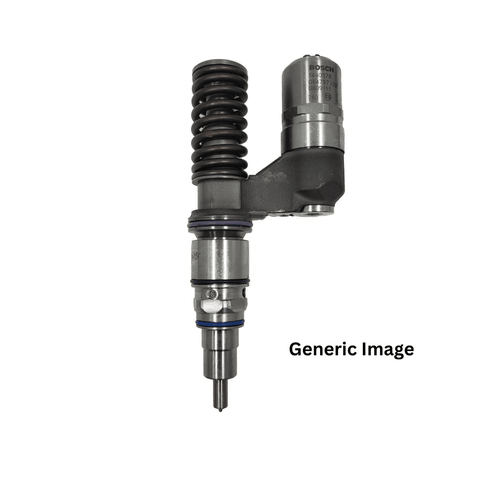
Tools Needed for Cleaning
Proper tools make cleaning fuel injectors safe and effective. Gathering the right equipment is the first step. This section lists essentials for DIY cleaning.
Basic Cleaning Supplies
You need a fuel injector cleaning kit, wrench, and rags. A fuel pressure tester helps check results. Safety gloves and glasses protect you. Ensure all tools are clean to avoid contamination.
Optional Diagnostic Tools
A multimeter checks injector electrical connections. A scan tool reads engine codes for deeper issues. These tools improve accuracy but aren’t mandatory. Basic kits work for most DIYers.
Step-by-Step Cleaning Process
Cleaning fuel injectors at home is straightforward with careful steps. This guide ensures success for beginners. Follow these steps to boost mileage.
Preparing the Vehicle
Park on a flat surface and let the engine cool. Disconnect the battery for safety. Relieve fuel system pressure before starting. Preparation prevents accidents and ensures smooth cleaning.
Checking Fuel Lines
Inspect fuel lines for leaks or blockages. Clean or replace clogged lines as needed. Secure connections to prevent future issues. Clean lines support injector performance.
Key Cleaning Tips
Follow Kit Instructions: Each cleaner has specific guidelines. Stick to them for best results.
Work in a Ventilated Area: Fumes from cleaners can be strong. Ensure good airflow.
Test After Cleaning: Run the engine to confirm smooth operation and check mileage.
Maintaining Injectors for Long-Term Efficiency
Consistent fuel injector maintenance helps keep injectors clean and ensures better fuel efficiency and engine performance. Adopting simple car care habits can prevent carbon and fuel residue buildup over time. This section outlines effective injector care strategies to help maintain smooth operation and extend your vehicle’s engine lifespan.
Regular Use of Fuel Additives
Additives prevent deposits from forming. Use a quality additive every 3,000 miles. Choose products safe for your fuel type. This complements cleaning efforts.
Monitoring Driving Habits
Avoid short trips that prevent full engine warm-up. Longer drives burn off deposits. Use high-quality fuel from trusted stations. These habits reduce injector strain.
Maintenance Checklist
Check Fuel Pressure: Use a tester to ensure proper flow after cleaning.
Inspect Regularly: Look for leaks or wear during oil changes.
Consult Experts: Goldfarb Associates offers professional checks for optimal care.
Avoiding Common Cleaning Mistakes
Beginners may make errors that reduce cleaning effectiveness. Avoiding these ensures success. This section highlights pitfalls to steer clear of.
Using Wrong Cleaners
Generic or harsh cleaners can damage injectors. Use products designed for your engine type. Check labels for compatibility. This prevents corrosion or seal failure.
Skipping Post-Cleaning Tests
Failing to test after cleaning hides issues. Run the engine and monitor mileage. Check for leaks or rough idling. Testing confirms the cleaning worked.
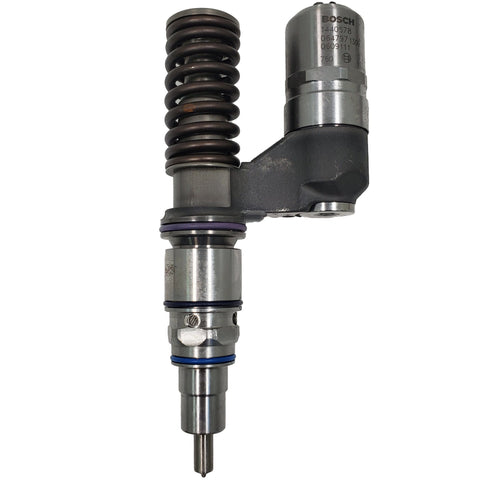
Conclusion
Cleaning fuel injectors is a simple way to improve fuel mileage and engine performance. With the right tools and steps, DIY mechanics can achieve great results. Regular maintenance and additives prevent future clogs. By avoiding common mistakes, you ensure long-term efficiency. Goldfarb Associates supports your efforts with expert advice for cleaner, more efficient injectors.
FAQs
How often should I clean my fuel injectors?
Clean injectors every 15,000–30,000 miles or when mileage drops. Use additives regularly for maintenance. Check your vehicle’s manual for specifics. This keeps fuel economy high.
Can cleaning fuel injectors improve gas mileage?
Yes, cleaning removes deposits, improving fuel spray. This boosts combustion efficiency, saving gas. Drivers often see 1–2 MPG gains. Regular cleaning maintains these benefits.
What happens if I don’t clean my fuel injectors?
Dirty injectors cause misfires, poor mileage, and higher emissions. They may lead to engine damage over time. Regular cleaning prevents these issues. Early action saves effort.
Are fuel injector cleaning kits safe to use?
Quality kits are safe when used as directed. Follow instructions to avoid overuse. Choose products for your fuel type. This ensures no damage to injectors.
How do I know if my injectors need cleaning?
Look for rough idling, reduced mileage, or black smoke. Hard starts also signal clogs. A pressure test confirms issues. Cleaning restores performance quickly.