By 2025, gut health isn’t just a buzzword anymore; it’s now a foundational pillar of wellness. From aiding digestion and immunity to enhancing mental clarity and energy, our gut is central to our body’s performance. When it comes to gut health, one nutrient is particularly powerful: fiber. Learning about gut health, fiber, and digestive wellness can not only change your digestion but also your whole life.
What Is Gut Health and Why Does It Matter?
Your gut is full of bacteria, viruses, and fungi, more than trillions of them, which together form your gut microbiome. These animals help digest food, produce essential vitamins, regulate the immune system, and influence mood and brain function.
When the gut is in balance, digestion functions smoothly, immune defense is strong, and inflammation is well controlled. But the natural equilibrium can be thrown off by you name it, bad diet choices, stress, not getting enough rest, antibiotics, and all the usual suspects, resulting in:
- Bloating and Constipation
- Acid reflux and indigestion
- Compromised Immunity
- Fatigue and Brain Fog
- Skin Issues
- The risk of many chronic diseases is increased
That’s why the gut is now considered the foundation of long-term health.
The Powerful Role of Fiber in Digestive Wellness
Fiber Is an Undigestible Carbohydrate. Rather than being digested, fiber moves through the digestive tract and serves as food for the good bacteria in the gut. This is why it is so important to have fiber for a healthy microbiome. There are two main types of fiber:
1. Soluble Fiber
- Becomes a gel upon hydration in water
- Aids in reducing cholesterol and blood sugar levels
- Present in oats, apples, citrus fruits, beans, and carrots
2. Insoluble Fiber
- Increases the mass of stool and serves as a natural laxative to help maintain normal bowel movement
- Protects against constipation
- Present in whole grains, nuts, seeds, and vegetables
Both types are important in maintaining a clean, balanced, and efficient digestive system.
How Fiber Supports Gut Health
- Fiber is about more than just helping you poop. Fiber’s rewards run the gamut throughout the body:
- Feeds “good” gut bacteria to help them multiply and remain strong
- Aids digestion and nutrient uptake
- Reduces inflammation in the digestive tract
- Promotes weight management, as it makes you feel fuller for longer
- Stabilizes blood sugar
- Enhances immunity since immune cells inhabit the gut in large numbers
High-fiber diets are directly associated with decreased risk of cardiovascular disease, diabetes, obesity, and even some cancers.
Modern Lifestyle and the Gut Health Crisis
Despite the significance, a majority of people are eating much less fiber than they should be according to the guidelines. Fast food, processed snacks, sugary beverages, and white carbohydrates are staples of contemporary diets. Layer on stress, long work hours, no exercise, and poor sleep, and you’ve got the ideal recipe for an unhappy gut.
For the year 2025, digestive problems, including irritable bowel syndrome (IBS), acid reflux, constipation, and food intolerances, are rampant. This has fueled the refocus on gut-healthy eating and fiber-dense eating plans.
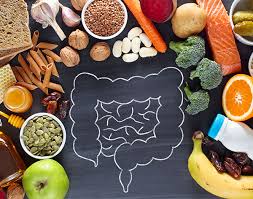
Best Fiber-Rich Foods for Gut Health
Increasing your fiber intake doesn’t mean you have to shell out for pricey supplements or superfoods from other continents. Simple, everyday, and inexpensive foods can do wonders for your digestion and:
- Whole wheat roti, brown rice, oats (Semi)skin with and without medicolegal tefah
- Lentils, chickpeas, kidney beans
- Berries, apples, guavas, bananas
- Spinach, cabbage, carrots, okra
- Flaxseeds, chia seeds, almonds
- Yogurt with natural probiotics!
- Pickles and lassi (a yogurt-based drink) are some fermented foods of the Indian cuisine.
Eating a range of these foods is beneficial in feeding various good gut bacteria.