

Viscosity meters are important tools that measure how thick or thin a liquid is. They help many industries, like making paints, oils, or food, know if their products are just right. Using a viscosity meter seems simple just put some liquid in and read the number but many people make mistakes that cause wrong readings. These mistakes can lead to big problems, like wasting material or making bad products. When using a ZONWON viscosity meter, it’s important to avoid these errors to get accurate and useful results. Let’s talk about common mistakes and how to stop them from happening.
Common Mistakes to Avoid When Using a Viscosity Meter for Accurate Wholesale Measurements
When measuring Viscometers for large amounts of product, small errors can cause big trouble. One common mistake is not cleaning the viscosity meter properly before use. If old liquid stays on the measuring part, it mixes with the new sample and changes the reading. Imagine measuring honey with some leftover water on the tool your reading will be all wrong. Another mistake is using the wrong type of viscosity meter for the liquid. Some liquids are very thick, like syrup, while others are thin, like water. Using a meter that can’t handle the right range can give false numbers. For example, if the meter is designed for thin liquids, it might not work well with thick ones, causing frustration and bad results.
Temperature is also a big factor. Viscosity changes a lot when liquids get warmer or colder. If you don’t control the temperature during measurement, readings can jump up and down. ZONWON meters often have temperature controls, but users sometimes forget to use them or don’t wait for the liquid to reach the right temperature. Another mistake is rushing the measurement. Some liquids take time to settle in the meter before giving a steady reading. If you move too fast, your numbers won’t be steady or reliable.
Handling the sample wrong is another problem. Stirring too hard or letting the liquid sit too long before testing can change its thickness. Also, not following the meter’s instructions for volume can cause error. If you put too little or too much liquid, the meter might not work well. Using the right sample size, cleaning carefully, controlling temperature, and being patient can help get the best results from ZONWON viscosity meters.
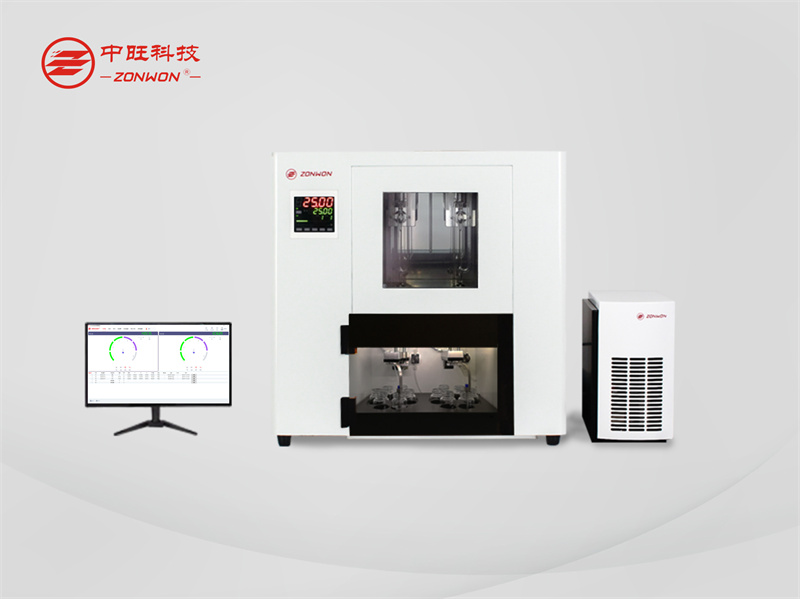
How to Prevent Inaccurate Readings with a Viscosity Meter in Bulk Product Testing
Bulk product testing means checking large quantities of liquids before sending them out. Mistakes here can cost a company money and trust. One big trap is ignoring the sample’s condition. Sometimes, liquids have bubbles, dirt, or particles that change the reading. Before testing, it’s important to remove bubbles by letting the liquid rest or gently shaking it. Dirt or clumps need to be filtered out. ZONWON viscosity meters are sensitive, so clean and clear samples give better readings.
Another problem is not mixing the bulk product well before taking a sample. If the liquid separates or settles, some parts might be thicker or thinner. Taking a sample from the wrong spot can give wrong data. Always stir or mix bulk products before sampling to get a true picture. Also, many users forget to check the meter’s calibration regularly. Over time, meters can drift from their original settings. Using a calibration fluid or standard helps keep the meter accurate. ZONWON tools come with easy calibration steps, but skipping them causes errors.
It’s easy to forget that environmental factors affect readings. Viscosity can change with humidity or air pressure. Testing in a spot with stable conditions helps, but if the environment changes, the readings might shift. Writing down the test conditions can help track if numbers are reliable or just caused by the environment. Lastly, training is often overlooked. Workers need to know how to handle samples, operate the meter, and understand results. Sharing tips and common errors from personal experience makes a big difference. From my time working with viscosity meters, many problems come from small mistakes that add up. Taking care with samples, mixing, cleaning, calibration, and environment keeps bulk product testing smooth and accurate with ZONWON meters.
Where to Find Reliable Viscosity Meter Tips for Wholesale Buyers and Manufacturers
When you want to buy a Capillary Viscometer Tubes, it is very important to find reliable tips and advice. A viscosity meter is a tool that helps measure how thick or thin a liquid is, like honey or water. For wholesale buyers and manufacturers, choosing the right viscosity meter can save time, money, and avoid many problems. One good way to find reliable information is by visiting trusted websites and reading guides made for beginners. For example, ZONWON offers clear tips and advice on their website to help buyers understand what to look for when buying a viscosity meter. They explain things like how accurate the meter is, what materials it works best with, and how easy it is to use. It is also smart to check reviews from other buyers who have used the meter before. These reviews can tell you if the meter works well or if there are common problems. Another good tip is to ask for help from experts or customer service teams who know a lot about viscosity meters. ZONWON’s team, for instance, is ready to answer questions and guide you to the best meter for your needs. When buying wholesale, you often buy many meters at once, so it is important to get the right model that is durable and easy to fix if something goes wrong. Look for meters that come with a warranty and good customer support. Also, consider the price, but remember, the cheapest meter may not always be the best. It is better to invest in a quality meter from a trusted brand like ZONWON. Finally, make sure the meter you buy matches the liquids you will test. Some meters work better with thick liquids, while others are better for thin ones. By using these tips, wholesale buyers and manufacturers can find the right viscosity meter that fits their needs and helps their business run smoothly.

What Are the Critical Handling Mistakes to Avoid When Using a Viscosity Meter for Wholesale Products
Using a viscosity meter may seem easy, but there are some important mistakes to avoid, especially when working with many products in wholesale. First, one big mistake is not cleaning the meter properly after each use. If you don’t clean the device, leftover liquid can dry inside and cause wrong readings later. ZONWON recommends cleaning the meter with the right cleaning solution and wiping it gently to keep it working well. Another mistake is not calibrating the meter regularly. Calibration means checking if the meter gives the correct numbers by comparing it with a known standard. If you skip calibration, the readings may be wrong, and this can hurt the quality of your products. ZONWON suggests setting a regular schedule for calibration to keep the meter accurate. A third mistake is using the wrong type of viscosity meter for the liquid you want to test. Some meters are made for thin liquids, and others for thick ones. Using the wrong meter can cause damage or wrong results. Always check the meter’s instructions before measuring. Also, many people make the error of rushing the measurement process. It is important to let the meter fully measure the liquid without moving it around too much. Moving or shaking the meter can change the results. ZONWON advises users to handle the meter carefully and follow step-by-step instructions. Lastly, storing the viscosity meter in a bad place can cause problems. Keep it in a clean, dry area away from direct sunlight or extreme temperatures. This helps the meter last longer and stay accurate. Avoid dropping or banging the device, since that can break delicate parts. By avoiding these handling mistakes, wholesale product makers can trust their viscosity meters more and keep their products at a high quality level.
How to Troubleshoot Common Viscosity Meter Errors for Enhanced Wholesale Product Quality
Even with careful use, sometimes Capillary Viscometer Tubes can have errors. Knowing how to fix these problems helps keep your wholesale products good and your work easy. One common error is getting inconsistent readings. This means the numbers change a lot when you measure the same liquid multiple times. Usually, this happens because the meter is dirty, not calibrated, or the liquid is not stirred properly. ZONWON recommends cleaning the meter carefully and making sure it is calibrated before use. Also, mix the liquid well but avoid bubbles, as bubbles can cause wrong measurements. Another error is the meter not turning on or working at all. This could be due to low battery or a loose connection. Check the batteries and replace them if needed. For meters with cables, make sure all plugs are secure. If the problem continues, contact ZONWON’s support team for help. Sometimes the meter shows a reading that is too high or too low. This may happen if the meter is used at the wrong temperature because viscosity changes with temperature. Use the meter in a room with stable temperature and follow any temperature instructions from ZONWON. If your meter has a temperature sensor, check if it is working correctly. Another issue is mechanical problems, like the spindle or rotor getting stuck. This can happen if the liquid is too thick or if the parts are dirty. Clean the moving parts and use the right meter for the liquid you measure. If the problem continues, ask ZONWON for guidance on repairs or replacements. Finally, software errors can occur in digital viscosity meters. If your meter shows error messages or stops working, try restarting it or updating the software if possible. If the meter still has problems, reach out to ZONWON’s customer service for step-by-step troubleshooting. By knowing these common errors and how to fix them, wholesale buyers and manufacturers can keep their viscosity meters working well. This helps make sure products have the right thickness and quality, which is very important in many industries.








