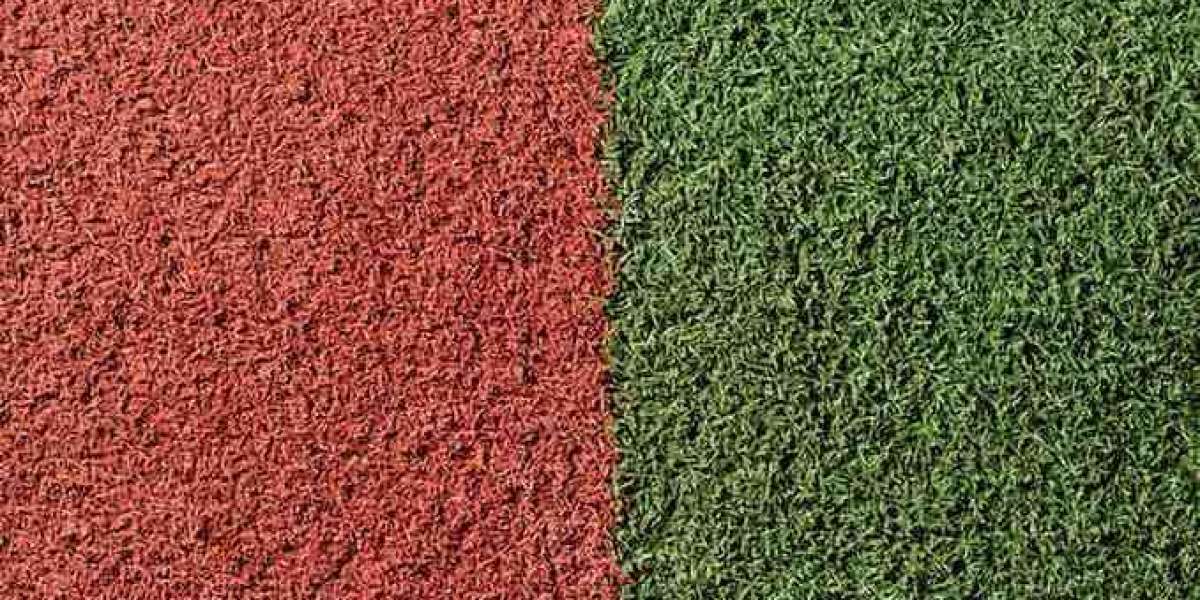

Why Sand Is a Key Component of Sports Surface Construction
Behind every reliable sports field is a carefully engineered system of layers working together to create stability, comfort, and predictability. While turf materials often receive most of the attention, the sand used for turf and sports surfaces plays one of the most vital roles in maintaining performance standards.
Sand determines how well a surface drains, how turf fibres remain upright, how shock is absorbed, and how consistently the field responds to athlete movement. As demand grows for premium sporting environments—from community playing fields to elite stadiums—choosing the right sand has become more critical than ever.
1. Sand Enhances Surface Stability and Turf Support
Stability is essential for predictable play. Sports sands are graded to ensure particles are uniform in size and shape, so they settle evenly and reduce irregular compaction. This results in:
Smooth, consistent footing
Predictable ball behaviour
Even support for turf fibres
Greater comfort during fast-paced play
When poor-quality sand is used, surfaces become uneven, turf fibres collapse, and performance declines quickly.
2. Effective Drainage Starts With the Right Sand
One of the most important performance attributes of any sports surface is drainage. Without proper drainage, water accumulates on the field, creating unsafe conditions and increasing maintenance costs.
High-quality sand for turf and sports surfaces is designed to:
Allow rapid downward water movement
Reduce surface flooding and puddling
Protect turf structure during heavy rainfall
Improve year-round playability
Drainage failures often trace back to the wrong sand type—with particles too fine, too dirty, or inconsistently shaped.
3. Sand Plays a Major Role in Player Safety
Player safety relies heavily on surface hardness, shock absorption, and consistency. Sand helps manage these elements by supporting controlled compaction and reducing surface impact.
Professional-grade sports sands help ensure:
Lower injury risk
Stable traction
Balanced energy return
Predictable field behaviour under pressure
Surfaces with poor sand profiles tend to harden quickly, posing major safety concerns, especially for sports involving rapid directional changes.
4. Sand Type Determines Long-Term Performance
Every sports field must withstand continuous wear, weather exposure, and maintenance activities. The right sand helps turf systems maintain durability over years of use.
Premium sands:
Resist compaction
Maintain aeration and drainage
Support resilient turf fibres
Reduce the need for expensive repairs
Choosing the correct sand upfront can significantly extend the life of the entire surface system.
Common Professional Sand Types Used in Sports Construction
Silica Sports Sand
Highly durable, clean, and uniform—ideal for artificial turf infill. Supports fibre performance and reduces compaction.
Root-Zone and Sports Construction Sands
Used in natural and hybrid turf fields; washed and graded to support root growth and water flow.
Engineered Sand Blends
Customised for elite stadiums to improve stability, shock absorption, and moisture balance.
Each sand type plays a specific role, and using the wrong sand can compromise the entire system.
Signs Your Sports Field May Have Poor Sand Quality
If a facility is experiencing performance issues, sand is often the cause. Common warning signs include:
Uneven traction
Water pooling after rain
Hard or compacted areas
Premature turf wear
Player complaints about comfort or stability
In many cases, upgrading the sand layer restores surface performance without full reconstruction.
Conclusion
A well-performing sports field depends on engineering precision, high-quality materials, and consistent maintenance. At the heart of this system lies one crucial component—sand for turf and sports surfaces.
By selecting the right sand, facilities can achieve:
Superior drainage
Predictable traction
Enhanced athlete safety
Longer-lasting turf performance
For any sports field project, investing in the right sand is one of the most impactful decisions you can make.








