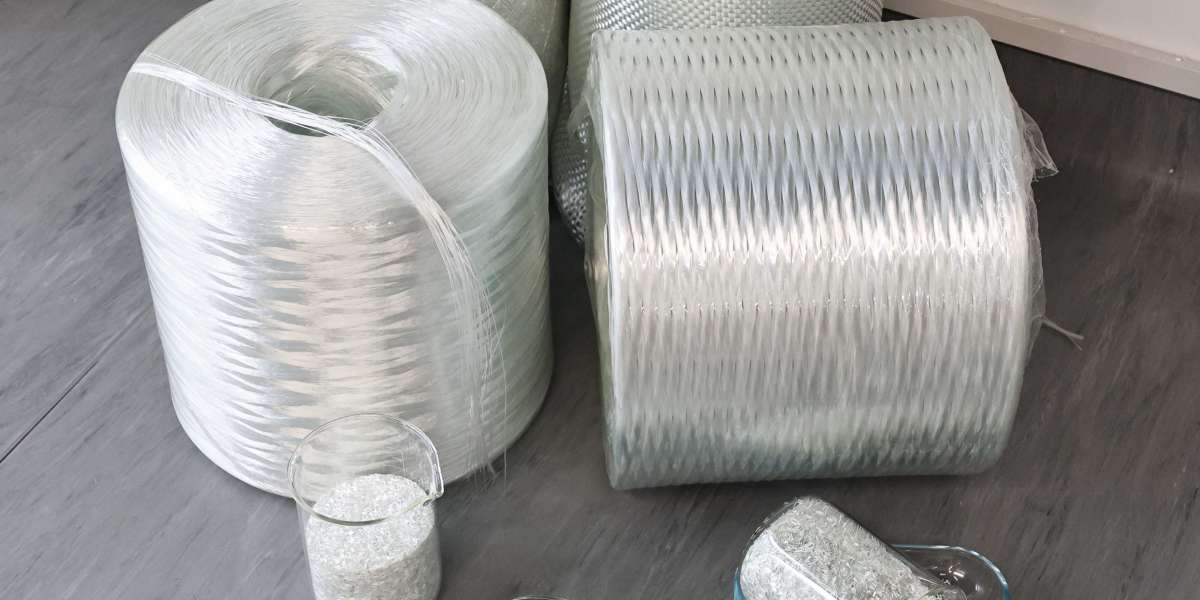

What Is Fiberglass Roving?
Fiberglass roving is a key high-performance material composed of thousands of continuous glass fibers bundled together. Unlike chopped strands or mats, its continuous filament structure gives it exceptional tensile strength, making it a cornerstone in composite manufacturing—especially for FRP (Fiber-Reinforced Polymer) reinforcement. What sets it apart is its unique combination of light weight and durability: it’s significantly lighter than traditional reinforcing materials like steel, yet offers comparable or even superior strength. Additionally, it boasts excellent corrosion resistance, electrical insulation, and resistance to extreme temperatures, ensuring long-term performance in harsh environments. For manufacturers aiming to build stronger, more competitive products, fiberglass roving is an indispensable choice, as it balances performance, versatility, and cost-effectiveness.
Core Advantages of Fiberglass Roving in FRP Reinforcement
When used in FRP reinforcement, fiberglass roving delivers multiple advantages that address the core needs of industrial clients. First, its high strength-to-weight ratio allows FRP products to be lighter without compromising structural integrity—critical for industries like aerospace and transportation, where fuel efficiency and load capacity are top priorities. Second, its corrosion resistance eliminates the need for costly maintenance and replacements, a major benefit for applications in chemical fields, infrastructure, and marine environments. Third, fiberglass roving offers excellent design flexibility, adapting to complex shapes and configurations that traditional materials can’t match. This versatility means it can be tailored to specific project requirements, whether for building materials, electrical components, or sports equipment. For businesses focused on quality and cost control, these advantages translate to better product performance, lower operational costs, and a stronger market competitive edge.
Practical Applications of Fiberglass Roving in FRP Industries
Fiberglass roving’s role in FRP reinforcement spans across numerous high-demand industries, solving real-world challenges for manufacturers. In the construction sector, it’s used to reinforce FRP pipes, panels, and structural components, enhancing their durability and resistance to weathering and chemical erosion. In transportation, it’s integrated into vehicle bodies, boat hulls, and aircraft parts, reducing weight while boosting safety and longevity. The aerospace industry relies on its high strength and lightweight properties to create components that withstand extreme conditions without adding unnecessary bulk. Even in energy-saving and electrical sectors, fiberglass roving is used in insulation materials and composite structures, leveraging its electrical insulation and heat resistance. These applications demonstrate its ability to meet the diverse needs of industries ranging from infrastructure to sports leisure, proving it’s a versatile solution for modern manufacturing.
Why Choose High-Quality Fiberglass Roving for FRP Projects?
The success of FRP reinforcement projects hinges on the quality of fiberglass roving. Inferior products can lead to weak structural performance, shortened service life, and increased maintenance costs—issues that no business can afford. High-quality fiberglass roving, however, ensures consistent performance, reliable durability, and adherence to industry standards. It’s produced with strict quality control measures, guaranteeing uniform fiber distribution and optimal mechanical properties. For manufacturers, this means fewer production delays, reduced waste, and products that meet or exceed customer expectations. Additionally, partnering with a trusted supplier ensures access to professional technical support, helping you select the right grade of fiberglass roving for your specific application. Whether you’re producing large-scale infrastructure components or precision aerospace parts, high-quality fiberglass roving is the foundation of successful, high-performance FRP products.
Conclusion
Fiberglass roving is more than just a reinforcing material—it’s a game-changer for FRP manufacturing, offering unmatched strength, versatility, and cost-effectiveness. Its unique properties address the core needs of industries worldwide, from reducing product weight and maintenance costs to enabling innovative design solutions. Whether you’re in construction, transportation, aerospace, or any sector relying on FRP products, choosing high-quality fiberglass roving is key to building stronger, more competitive offerings. By leveraging its advantages, businesses can enhance product performance, lower operational costs, and stand out in a crowded market. For your next FRP reinforcement project, prioritize quality fiberglass roving to unlock the full potential of your products and achieve long-term business success.








